

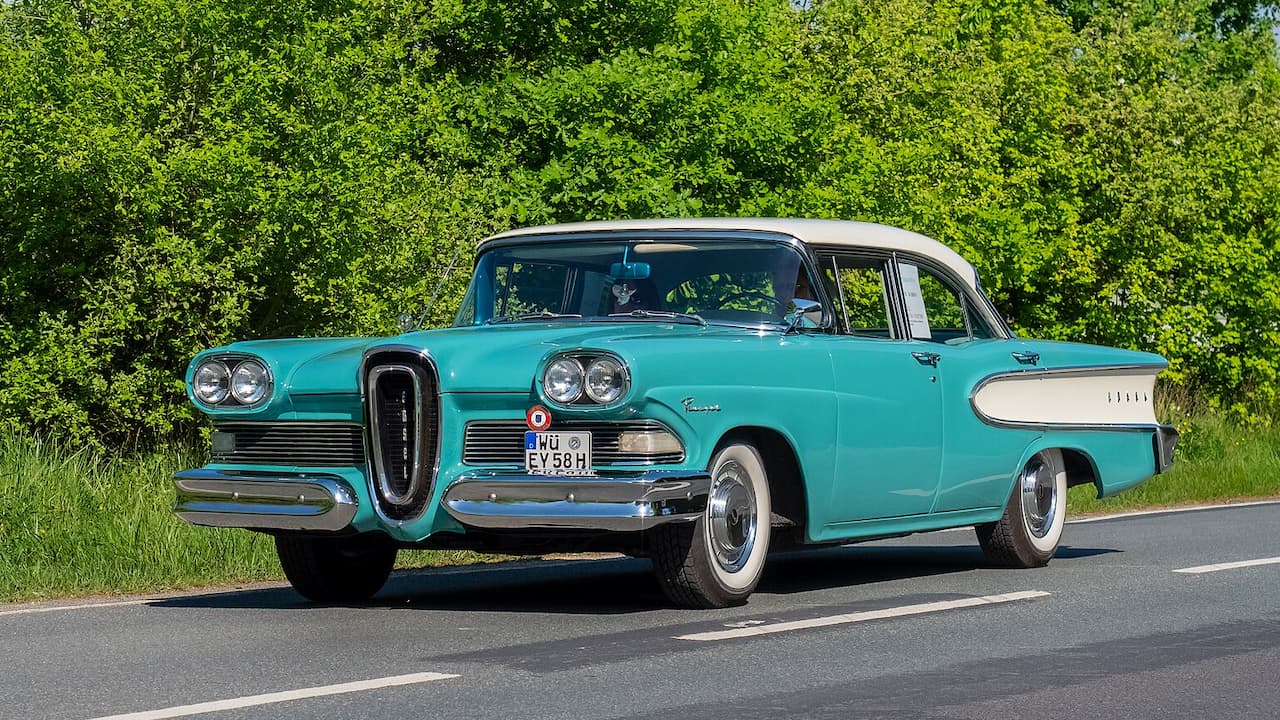
In an era where automotive design continually pushes the boundaries of creativity, car grilles have emerged as a focal point for manufacturers aiming to distinguish their models. Unique grilles not only enhance the aesthetic appeal of vehicles but also contribute to aerodynamics and cooling efficiency, making them crucial for both performance and branding. As consumers become increasingly discerning in their vehicle choices, manufacturers are investing in innovative grille designs that capture attention and drive sales.
Understanding the Role of Car Grilles
The car grille serves multiple purposes beyond just visual flair. It facilitates airflow to the engine and radiator, helping to maintain optimal operating temperatures. Additionally, grilles can impact a vehicle’s overall aerodynamics, influencing fuel efficiency and handling. With consumers now focusing on performance and efficiency, manufacturers are rethinking traditional designs, leading to some of the most unique grilles seen in automotive history.
Iconic Examples of Unique Grille Designs
Several car models stand out for their extraordinary grille designs, showcasing how creativity can enhance brand identity. The 2020 BMW 4 Series introduced a bold, oversized kidney grille that sparked both admiration and controversy. This design choice was a significant departure from traditional aesthetics, reflecting a daring approach to modern luxury vehicles.
Another notable example is the 2021 Toyota RAV4, which features an aggressive, angular grille that complements its rugged SUV profile. This design not only enhances the vehicle’s off-road capability image but also plays a role in improving airflow. Such distinctive designs help brands capture consumer interest and set their vehicles apart in a competitive market.
The Impact of Unique Grilles on Sales
The relationship between grille design and consumer purchasing decisions is evident in the sales figures of unique models. For instance, the Tesla Model Y, launched in 2020, incorporates a minimalist grille that aligns with the brand’s sleek electric aesthetic. Since its debut, the Model Y has seen remarkable success, surpassing sales expectations and contributing to Tesla’s growth, with over 300,000 units sold in its first year alone.
Conversely, some unique grille designs have faced criticism, leading to mixed sales results. The 2021 Lexus IS featured a prominent spindle grille that received a polarized response. While many praised its boldness, others felt it was excessive. Despite the controversy, the vehicle still achieved significant sales, indicating that a unique grille can generate buzz and keep a model relevant in consumers’ eyes.
Innovations in Grille Technology
Beyond aesthetic considerations, innovations in grille technology are making waves in the automotive industry. Active grille shutters, first introduced in the 2017 Chevrolet Malibu, automatically open and close based on engine cooling needs, optimizing airflow and improving fuel efficiency. This technology demonstrates how unique grille designs can also incorporate functional advancements, catering to both performance and environmental concerns.
Furthermore, some manufacturers are exploring the use of materials like carbon fiber and advanced plastics in grille construction. The 2022 Ford F-150 Lightning, for example, features a striking grille made from lightweight materials that enhance overall vehicle performance. These advancements not only contribute to a unique look but also improve the sustainability and efficiency of the vehicle.
The Future of Car Grille Design
As electric vehicles (EVs) gain traction in the automotive market, grille design is expected to undergo further transformation. With many EVs requiring less cooling than traditional combustion engines, manufacturers are reimagining the purpose of grilles. The 2023 Hyundai Ioniq 5 offers a closed-off front fascia, a design that reflects its electric nature while still maintaining an eye-catching aesthetic.
This shift toward minimalistic and functional grille designs may redefine how consumers perceive vehicle styling. As automakers adapt to changing consumer preferences and environmental regulations, the future of grille design will likely emphasize both uniqueness and practicality.
Conclusion: The Importance of Grille Innovation
The evolution of car grilles signifies a broader trend in the automotive industry toward innovation and differentiation. Unique grille designs not only enhance a vehicle’s visual appeal but also play crucial roles in performance and efficiency. As manufacturers continue to experiment with new materials and technologies, the automotive landscape promises to deliver even more striking designs that resonate with consumers.
For car enthusiasts and potential buyers alike, keeping an eye on the latest grille innovations can provide insights into the future of automotive design. As the industry continues to evolve, unique grilles will undoubtedly remain a key feature that influences purchasing decisions. Stay informed about the latest developments in automotive design to ensure your next vehicle reflects your tastes and values.