
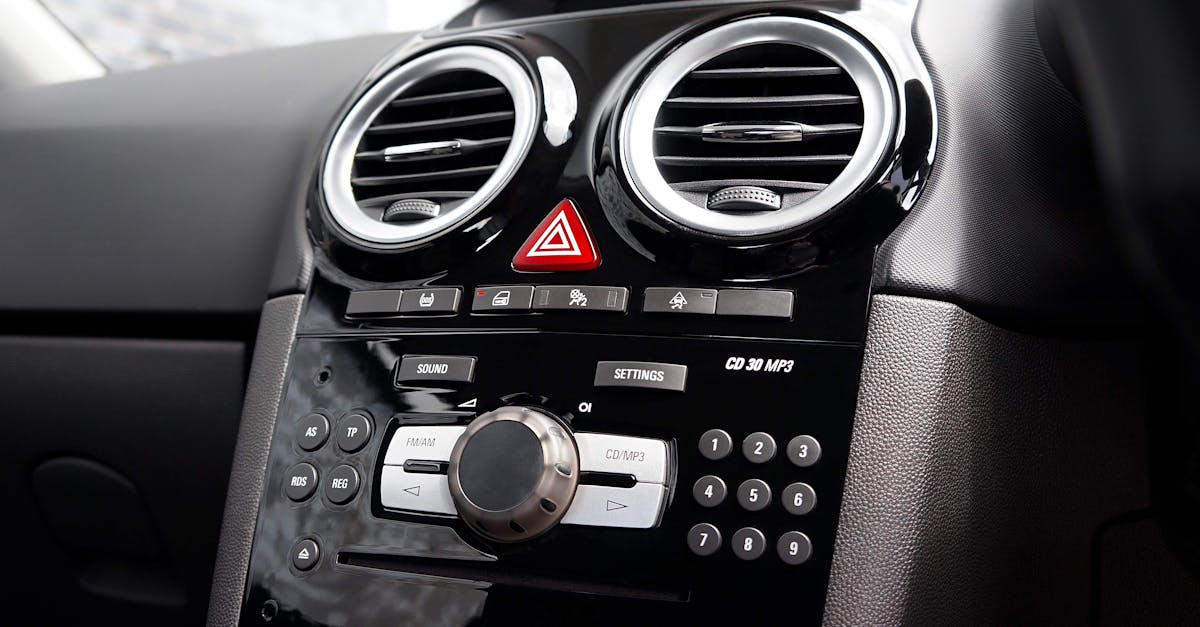

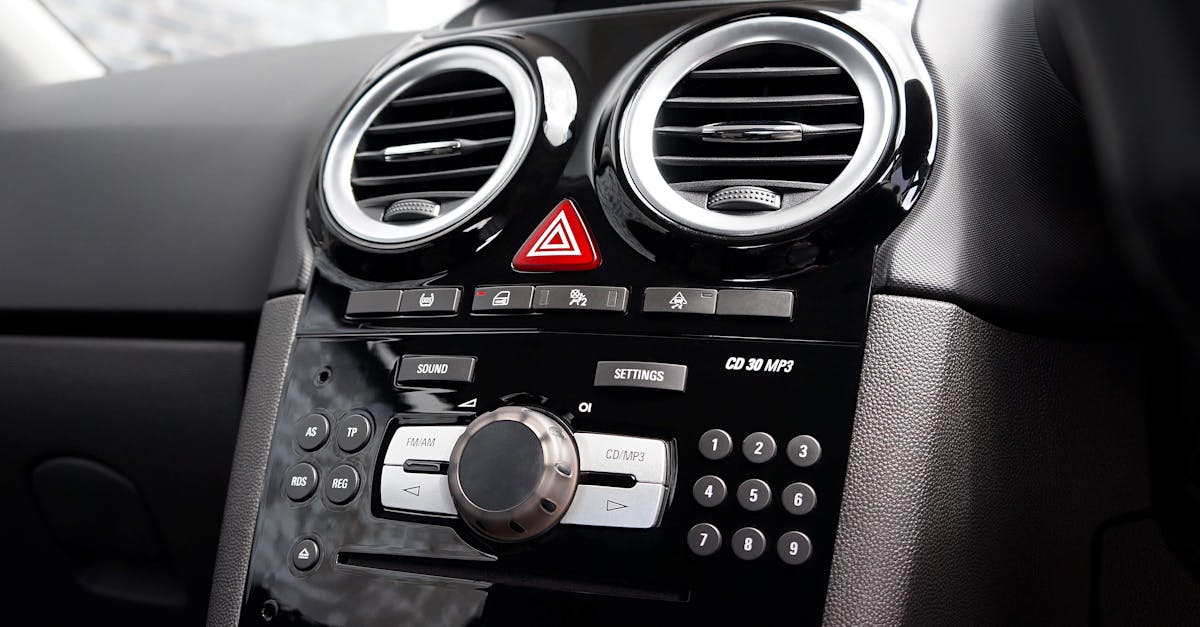
Car enthusiasts and everyday drivers alike often find themselves captivated by the sounds produced by vehicles, from the roar of a powerful engine to the gentle hum of an electric motor. These sounds not only enhance the driving experience but also evoke emotions and memories tied to the machine’s performance. As the automotive industry evolves, the appreciation for these auditory sensations has become a topic of discussion among manufacturers and consumers.
Engine Roars: The Iconic Sound of Performance
One of the most celebrated car sounds is the growl of a high-performance engine. The 2020 Chevrolet Corvette, with its mid-engine layout, produces an exhilarating sound that many enthusiasts describe as music to their ears. The distinct roar generated by its 6.2-liter V8 engine is a significant factor contributing to its allure, making it a favorite among sports car fans.
According to a survey conducted by Car and Driver, over 65% of car enthusiasts rate engine sound as a critical factor in their purchase decisions. This statistic highlights the importance of auditory experience in the automotive market, influencing everything from design to marketing strategies.
The Allure of Classic Car Sounds
Classic cars often produce sounds that resonate with nostalgia. The unmistakable purr of a 1965 Ford Mustang or the throaty growl of a 1970 Dodge Challenger evokes a sense of history and craftsmanship that modern vehicles sometimes lack. These classic engines, with their unique carburetor systems, create a symphony of sounds that transport drivers back to a different era.
Many collectors and enthusiasts argue that the sounds made by classic cars are irreplaceable. A study by Hagerty Insurance found that the value of classic cars has risen by an average of 20% over the past five years, partly due to the timeless appeal of their distinctive sounds.
The Electric Revolution: A New Sound Era
As electric vehicles (EVs) become more prevalent, the sounds produced by cars are changing dramatically. Unlike traditional internal combustion engines, EVs operate quietly, which has led to a debate about safety and sound design. The 2021 Tesla Model 3, for instance, emits a subtle hum that is designed to notify pedestrians of its presence, but many enthusiasts miss the visceral roar of traditional engines.
In response to this shift, manufacturers are exploring new ways to enhance the auditory experience of electric vehicles. Some brands, like BMW with its i4 model, are incorporating synthesized sounds to create an emotional connection for drivers. This strategic adaptation reflects a broader trend in the industry, as automakers recognize the need to preserve the excitement of driving, even in the era of electrification.
Sounds of Luxury: The Refined Experience
Luxury vehicles often focus on creating a harmonious sound environment that enhances the overall driving experience. Brands like Rolls-Royce and Bentley design their engines to produce a refined and elegant sound, emphasizing comfort over raw power. The 2022 Rolls-Royce Ghost, for example, features a V12 engine that produces a smooth, almost whisper-like sound, which adds to the allure of luxury driving.
According to a report by J.D. Power, satisfaction with vehicle sound quality has a direct correlation with overall customer satisfaction, especially in the luxury segment. This finding underscores the importance of sound in creating a premium driving experience, prompting manufacturers to invest in sound engineering and acoustic design.
The Role of Sound in Motorsports
In the world of motorsports, sound plays a critical role in the spectacle of racing. The thunderous roar of Formula 1 engines, like those found in the 2022 Mercedes-AMG F1 W13, creates an electrifying atmosphere that fans revel in. The distinctive sounds of motorsport vehicles are not just entertainment; they are integral to the identity of racing itself.
Recent changes in regulations have led to quieter engines in some racing series, sparking concern among fans. A survey conducted by Motorsport Network found that 72% of fans believe that the sound of a race car is essential to the overall experience. This statistic illustrates the deep-rooted connection between sound and the excitement of motorsports.
Conclusion: The Future of Car Sounds
The evolution of car sounds continues to be a significant aspect of the automotive industry. As technology advances and consumer preferences shift, manufacturers are faced with the challenge of preserving the auditory experiences that define vehicles. Whether it’s the growl of a V8 or the hum of an electric motor, the sounds produced by cars will remain an essential component of the driving experience.
For those who appreciate the nuances of automotive sound, it is vital to