

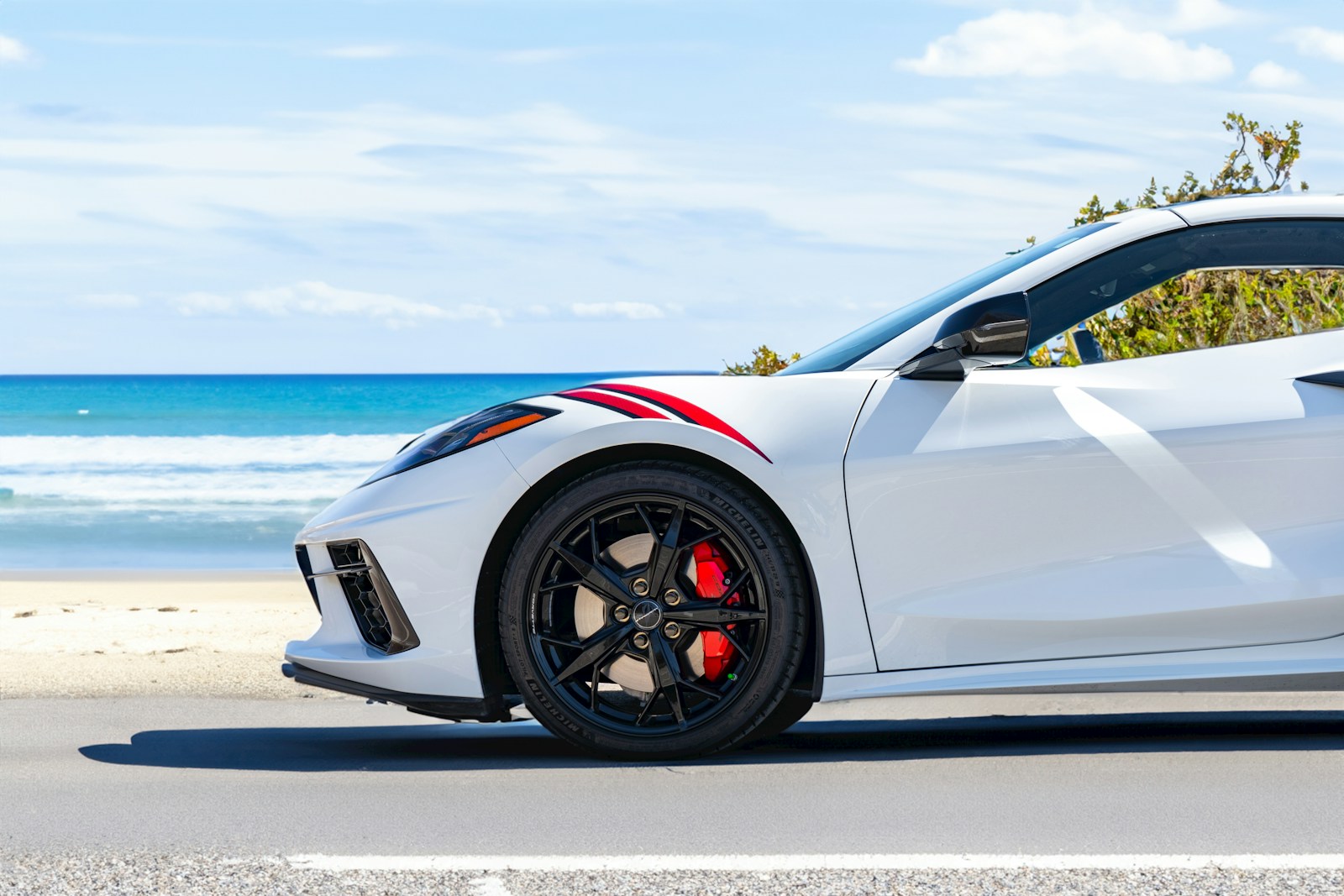
Several car models throughout automotive history have outperformed their advertised specifications, surprising both enthusiasts and everyday drivers alike. These discrepancies can affect consumer trust, influence buying decisions, and impact resale values. Understanding which cars have exceeded expectations sheds light on the complexities of automotive marketing and engineering.
1. 2020 Chevrolet Corvette Stingray
The 2020 Chevrolet Corvette Stingray was advertised to reach 0 to 60 mph in just 3.0 seconds. However, independent testing has shown that some drivers managed to achieve times as low as 2.8 seconds. This remarkable performance is attributed to its mid-engine design and a powerful 6.2-liter V8 engine, making it a standout in the sports car market.
2. 2017 Ford F-150 Raptor
Ford’s 2017 F-150 Raptor was marketed with a 0 to 60 mph time of approximately 5.4 seconds. In reality, this rugged pickup often clocked in closer to 5.1 seconds, thanks to its high-output 3.5-liter EcoBoost V6 engine. This performance not only impressed off-road enthusiasts but also highlighted the Raptor’s versatility as a daily driver.
3. 2016 Tesla Model S P85D
The 2016 Tesla Model S P85D was advertised to hit 60 mph in 3.2 seconds. Tests conducted by various automotive outlets recorded times as low as 2.8 seconds. The instant torque from its electric motors, combined with advanced traction control, propelled it into supercar territory, which fundamentally changed perceptions of electric vehicles.
4. 2008 Nissan GT-R
Nissan claimed that the 2008 GT-R could reach 0 to 60 mph in 3.5 seconds. However, performance enthusiasts frequently documented figures around 3.3 seconds, showcasing its potent twin-turbo V6 engine and advanced all-wheel-drive system. This performance has solidified the GT-R’s reputation as a supercar killer on a budget.
5. 2019 Dodge Charger SRT Hellcat
The Dodge Charger SRT Hellcat was marketed with a 0 to 60 time of 3.6 seconds. Yet, independent reviews recorded figures closer to 3.4 seconds. This performance is attributed to its supercharged 6.2-liter HEMI V8, which not only provides blistering acceleration but also a thrilling driving experience that has captivated muscle car fans.
6. 2021 Kia Stinger GT
Advertised to reach 60 mph in 4.7 seconds, the 2021 Kia Stinger GT often outperformed this claim by achieving times as low as 4.4 seconds. The 3.3-liter twin-turbo V6 engine delivers impressive power and acceleration, challenging the notion that Kia is solely focused on economy and practicality.
7. 2012 BMW M5
The 2012 BMW M5 was marketed with a 0 to 60 mph time of 4.4 seconds. However, real-world tests have shown that the vehicle can achieve this feat in as little as 4.1 seconds. This performance is a testament to BMW’s engineering prowess, combining luxury with exhilarating speed.
8. 2015 Mercedes-Benz AMG GT
Mercedes-Benz advertised the AMG GT’s 0 to 60 mph time at 3.6 seconds. Independent assessments have clocked it closer to 3.5 seconds, thanks to its powerful twin-turbo V8 engine that delivers both power and agility. The AMG GT has become a benchmark for performance in the luxury sports car segment.
9. 2014 Subaru WRX STI
The 2014 Subaru WRX STI was expected to reach 60 mph in 4.6 seconds. However, many drivers reported achieving that mark in approximately 4.4 seconds. The combination of its rally heritage and robust turbocharged engine enhances its appeal among performance enthusiasts.
10. 2022 Hyundai Elantra N
Hyundai’s 2022 Elantra N was advertised with a 0 to 60 mph time of around 5.0 seconds. However, tests conducted by automotive publications revealed times closer to 4.7 seconds. This discrepancy showcases Hyundai’s commitment to performance, making the Elantra N a formidable competitor in the hot hatch category.
Conclusion
Understanding which cars