

The automotive market in the United States is witnessing significant shifts as new sales data reveals the best-selling cars for 2023, impacting both consumers and manufacturers alike. With fluctuating fuel prices and evolving consumer preferences, certain models have surged in popularity, reflecting broader trends in the industry. This article outlines the top-selling vehicles, providing insights into why these models are capturing the attention of American buyers.
Top-Selling Vehicles of 2023
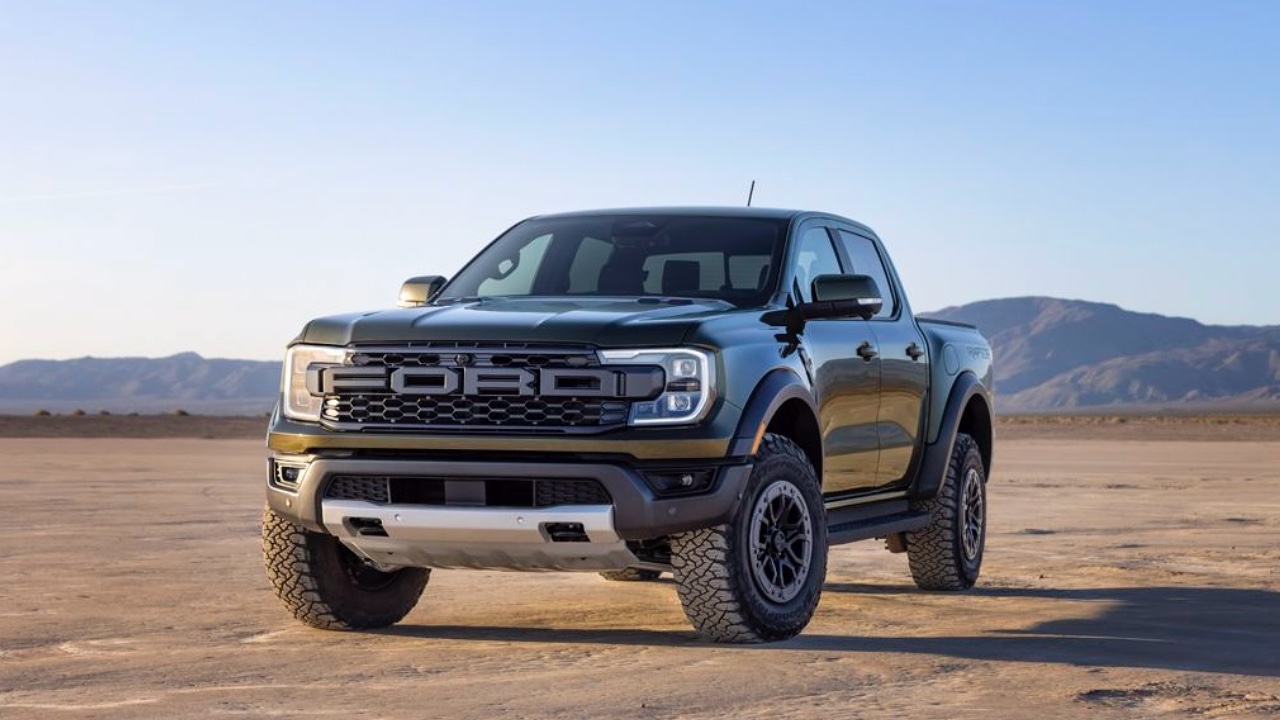
According to recent sales figures from the Automotive News Data Center, the Ford F-Series trucks remain the best-selling vehicles in America for 2023, with over 600,000 units sold as of September. The Ford F-150, a staple in the lineup, continues to dominate due to its reliability and versatility, attracting both individual consumers and commercial buyers. Following the F-Series are the Chevrolet Silverado and the Ram Truck, both of which also benefit from strong brand loyalty and a robust selection of models.
In addition to trucks, the Toyota RAV4 has maintained its position as the best-selling SUV, with sales surpassing 400,000 units. This compact SUV appeals to a wide demographic, offering a blend of fuel efficiency and spacious interior that meets the needs of families and urban drivers alike. Second on the SUV list is the Honda CR-V, which has seen renewed interest thanks to recent redesigns and a focus on safety features.
Shifts in Consumer Preferences
As electric vehicles (EVs) gain traction, Tesla’s Model Y has emerged as a notable contender, ranking among the top-selling vehicles overall. With over 200,000 units sold, the Model Y reflects the growing demand for sustainable transportation options. The shift toward EVs is further underscored by the increasing availability of charging stations and government incentives aimed at promoting electric vehicle adoption. In contrast, traditional gas-powered vehicles still hold significant market share, showcasing a transitional phase in the automotive landscape.
It’s worth noting that the Honda Civic and Toyota Corolla continue to be popular choices in the compact car segment, with annual sales figures reaching approximately 300,000 and 250,000 units, respectively. These models are favored for their affordability, fuel efficiency, and reputation for reliability, making them ideal options for first-time buyers and those looking to downsize.
Impact of Fuel Prices and Economic Factors
Fuel prices have played a pivotal role in shaping consumer choices in 2023, with average gas prices hovering around $3.50 per gallon. This has pushed many buyers to consider more fuel-efficient vehicles, contributing to the sustained popularity of hybrids and compact cars. The rise in interest for vehicles like the Toyota Prius and the Hyundai Ioniq reflects this trend, as consumers seek to mitigate rising transportation costs.
Additionally, economic factors, including interest rates and inflation, have influenced purchasing decisions. Higher interest rates can deter potential buyers from financing new vehicles, leading to a more competitive market among manufacturers. As a result, many automakers are offering promotional financing options and incentives to stimulate sales amidst these economic challenges.
The Role of Technology and Safety Features
Today’s consumers are increasingly prioritizing technology and safety in their vehicle purchases. Models equipped with advanced driver-assistance systems (ADAS), such as adaptive cruise control and lane-keeping assist, are in high demand. The Toyota Camry and Subaru Outback are examples of sedans and SUVs that offer a comprehensive suite of safety features, contributing to their strong sales performance.
Moreover, infotainment systems have become a key selling point, with features like Apple CarPlay and Android Auto becoming standard in many vehicles. As younger buyers enter the market, the demand for connectivity and convenience is reshaping the lineup of desirable models. Automakers that fail to integrate these technologies risk losing market share to competitors who prioritize these enhancements.
Conclusion: What This Means for Consumers
The current landscape of best-selling vehicles in America highlights a complex interplay of consumer preferences, economic factors, and technological advancements. As the market continues to evolve, consumers must remain informed about their options, including the potential benefits of both traditional and electric vehicles. With manufacturers adapting to these trends, buyers can expect a diverse selection of vehicles that meet a variety of needs and budgets.
For those in the market for a new car, now is the time to explore these top-selling models and consider how they align with personal preferences and financial situations. Understanding the current trends can lead to a more informed purchase, ensuring that you choose a vehicle that not only fits your lifestyle but also offers long-term value. Visit local dealerships or check online platforms for the latest offers and availability of these popular models.