

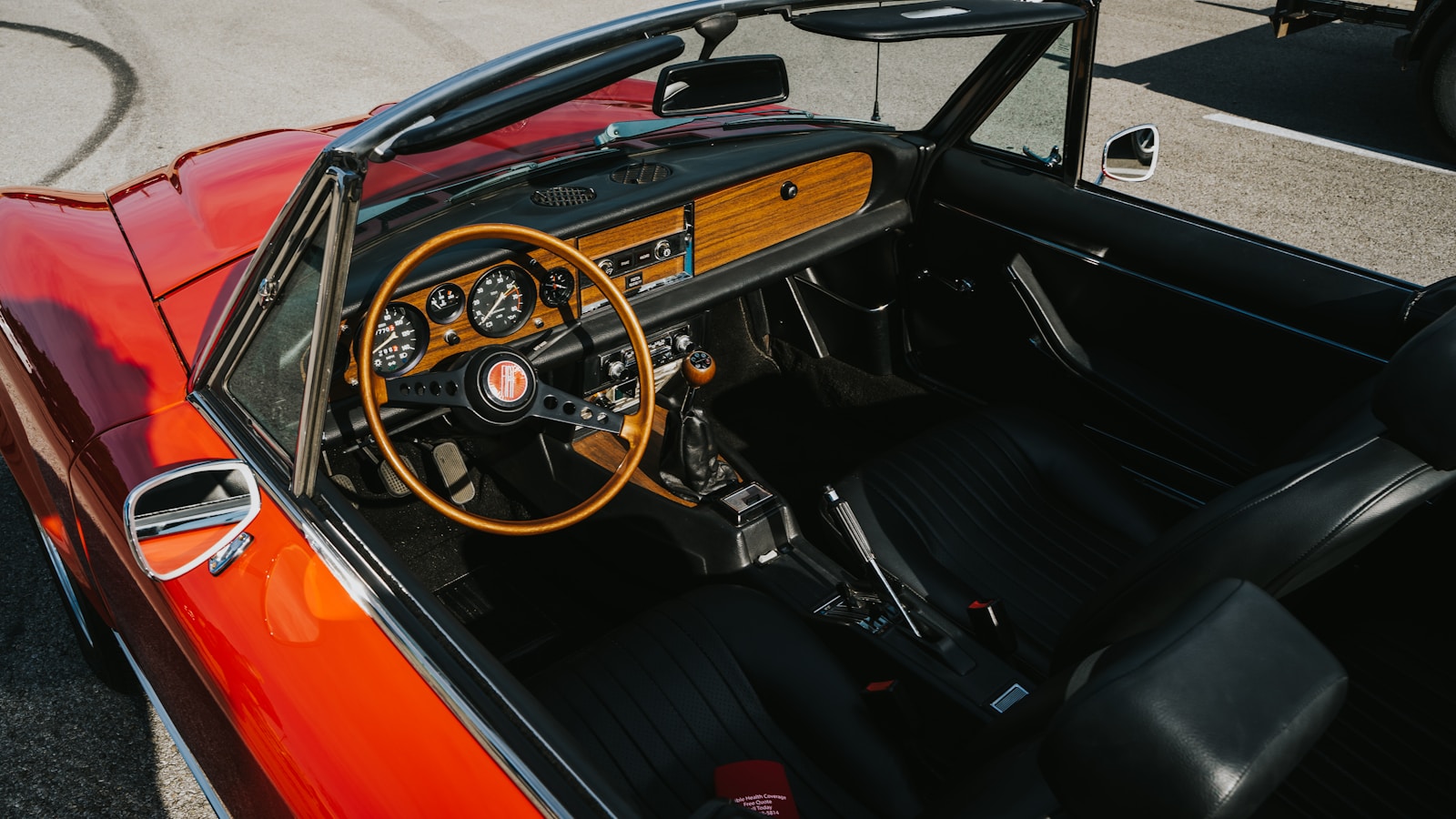
Despite the automotive industry’s ongoing shift towards automatic transmissions and electric vehicles, manual transmissions remain a steadfast choice among drivers who appreciate their unique advantages. In a world increasingly dominated by technology, the manual gearbox continues to thrive, appealing to enthusiasts and practical drivers alike.
Sales Data and Market Trends
According to recent statistics from the Automotive News Data Center, manual transmissions accounted for approximately 2% of new vehicle sales in the United States in 2022. While this figure represents a decline from previous years, it still translates to over 100,000 vehicles sold with manual gearboxes. Models like the 2022 Honda Civic Si and the 2023 Toyota GR86 have helped keep this niche market alive, demonstrating that there is still a demand for the tactile driving experience that manuals provide.
The Driving Experience
One of the primary reasons manual transmissions continue to attract buyers is the driving experience they offer. Enthusiasts often cite the greater level of control, engagement, and connection to the vehicle as key reasons for their preference. Many drivers appreciate the ability to select gears based on their preferences, allowing for a more personalized driving style. This sentiment is particularly prevalent among sports car aficionados, where models like the 2023 Porsche 911 GT3 still offer a manual option.
Fuel Efficiency and Performance
Manual transmissions can also provide advantages in terms of fuel efficiency and performance. According to the U.S. Department of Energy, manual transmissions tend to be lighter than their automatic counterparts, leading to improved fuel economy in some cases. Furthermore, specific manual models, such as the 2022 Ford Mustang with a 6-speed manual, can deliver a more thrilling driving experience, allowing for quicker acceleration and better performance in certain driving situations.
Cost Considerations
Cost is another factor contributing to the persistence of manual transmissions. The base price of vehicles equipped with manual gearboxes is often lower than their automatic counterparts. For example, the 2023 Subaru Impreza starts at around $22,000 with a manual transmission, compared to nearly $24,000 for the automatic version. This price difference can be a significant factor for budget-conscious buyers, particularly among younger drivers and first-time car owners.
Driving Skills and Learning
In an age where automatic transmissions dominate, some drivers choose manual vehicles to hone their driving skills. Learning to drive a manual can enhance a driver’s understanding of vehicle dynamics, engine behavior, and road conditions. Additionally, some driving schools still offer manual transmission courses, catering to those who wish to become more proficient drivers. This interest in learning manual transmission skills is particularly evident in regions where these vehicles are still prevalent.
Cultural Significance and Nostalgia
Manual transmissions also carry a cultural significance that resonates with many car enthusiasts. For some, driving a manual is a rite of passage, evoking feelings of nostalgia and a connection to the automotive past. Movies and popular media have romanticized the manual driving experience, showcasing it as the choice of true car aficionados. This cultural attachment plays a vital role in keeping manual transmissions relevant in today’s market.
Future Outlook
While the overall trend points towards a decline in manual transmission availability, manufacturers continue to support this niche market. Notably, brands like Mazda and Volkswagen have announced plans to retain manual options in select models, recognizing the ongoing demand from a dedicated customer base. However, as electric vehicles (EVs) gain traction, the future of manual transmissions remains uncertain, as most EVs utilize single-speed transmissions.
Conclusion: The Enduring Appeal of Manual Transmissions
In summary, the persistence of manual transmissions in the automotive market can be attributed to their unique driving experience, cost advantages, and cultural significance. While they may represent a small fraction of total vehicle sales, manuals still hold a special place in the hearts of many drivers. As technology continues to evolve, the challenge will be to maintain this traditional driving experience in a rapidly changing automotive landscape.
For those considering a new vehicle, it may be worthwhile to explore the remaining options for manual transmissions. With the automotive industry moving towards automatic and electric vehicles, the time to embrace the art of driving a manual may be limited. Visit your local dealership to test drive a manual-equipped model and experience the connection it offers before it becomes a relic of the past.