

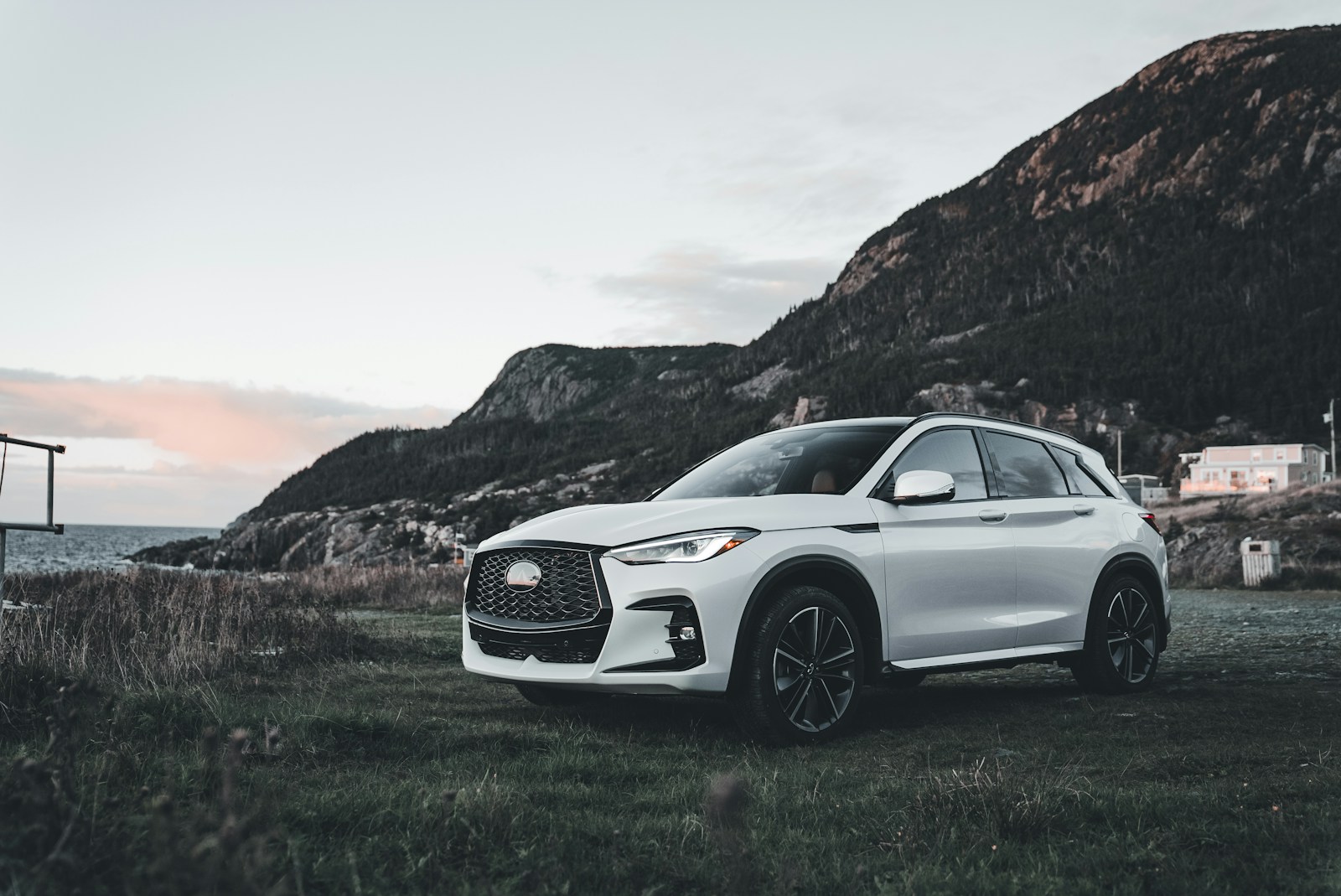
The rise of crossover vehicles is reshaping the automotive landscape, prompting concerns among enthusiasts that traditional car culture is on the decline. In recent years, crossovers have dominated the market, with sales surpassing those of sedans and hatchbacks, leading many to question whether the unique spirit of driving is being overshadowed.
Sales Trends Reflect Changing Preferences
According to the Automotive News Data Center, crossovers accounted for 46% of the U.S. market share in 2022, while traditional sedans fell to just 25%. This shift is driven by consumers’ increasing preference for vehicles that offer more space, versatility, and perceived safety. Models like the Toyota RAV4 and Honda CR-V have become household names, while iconic sedans such as the Honda Accord and Toyota Camry see diminishing interest.
This trend is not just a passing phase; it reflects broader societal changes. As urban living becomes more common and families seek practical solutions for transportation, the demand for crossovers continues to rise. However, as these vehicles dominate sales, the unique aspects of car culture—performance, design, and community—face potential erosion.
The Impact on Car Enthusiasts
Car enthusiasts, often passionate about the driving experience and vehicle performance, are feeling alienated by the crossover trend. The proliferation of vehicles like the Nissan Rogue or Subaru Forester, which prioritize utility over driving pleasure, has led to a decline in the appreciation of sports cars and performance sedans. For example, the Ford Mustang, once a symbol of American muscle, has seen a dip in sales as buyers gravitate toward more practical options.
In 2022, Ford reported a 7% decrease in Mustang sales compared to the previous year, while the Ford Explorer—a midsize crossover—saw a 23% increase in sales. This stark contrast underscores the shifting landscape and raises concerns about the future of driving experiences that enthusiasts cherish.
Automakers Respond to Changing Demands
In response to the changing market, automakers are pivoting their strategies. Companies like General Motors and Volkswagen have announced plans to phase out certain sedan models entirely, redirecting resources toward crossover and SUV development. The Chevrolet Malibu, for example, is set to be discontinued by 2025, with GM focusing on models such as the Chevrolet Equinox and Blazer.
While this shift may ensure profitability and meet consumer demand, it raises questions about the long-term implications for automotive innovation. With fewer resources allocated to performance vehicles, the industry risks stifling the creativity and engineering advancements that have historically defined car culture.
Community and Culture at Risk
The community aspect of car culture also faces challenges as the crossover craze continues. Car shows, meetups, and enthusiast clubs often celebrate unique models and the camaraderie of fellow fans. However, the rise of crossovers has led to a homogenization of the automotive landscape, where many vehicles share similar aesthetics and functionalities.
Events that once showcased the latest in automotive design now feature a plethora of similar-looking crossovers, diminishing the excitement and diversity that once characterized these gatherings. Enthusiasts worry that the disconnect between traditional car culture and the growing prevalence of crossovers could lead to a lack of interest in the automotive industry among younger generations.
The Future of Car Culture
Despite these challenges, there remains hope for the preservation of car culture. Automakers are beginning to recognize the need for a balance between practicality and performance. For instance, the resurgence of models like the Toyota GR86 and the Ford Bronco illustrates that there is still a market for vehicles that prioritize driving enjoyment.
Additionally, grassroots movements and online communities continue to thrive, bringing together enthusiasts who share a passion for cars, regardless of their make or model. These platforms provide a space for individuals to celebrate their love for driving, ensuring that the spirit of car culture remains alive.
Call to Action
The shift toward crossovers presents both challenges and opportunities for the future of car culture. As consumers, it’s essential to advocate for diversity in the automotive market and support manufacturers that prioritize performance and innovation. Engaging with local car clubs, attending events, and sharing your passion for driving can help keep the essence of car culture alive. Your voice matters in shaping the future of the automotive landscape—let’s ensure that traditional car culture continues to thrive in an era dominated by crossovers.