

Over the past ten years, several car models have garnered immense attention, only to fall short of expectations when it came to performance, reliability, or overall value. This phenomenon affects consumers who invest their hard-earned money in vehicles that do not live up to the hype, emphasizing the importance of informed purchasing decisions in an increasingly crowded automotive market.
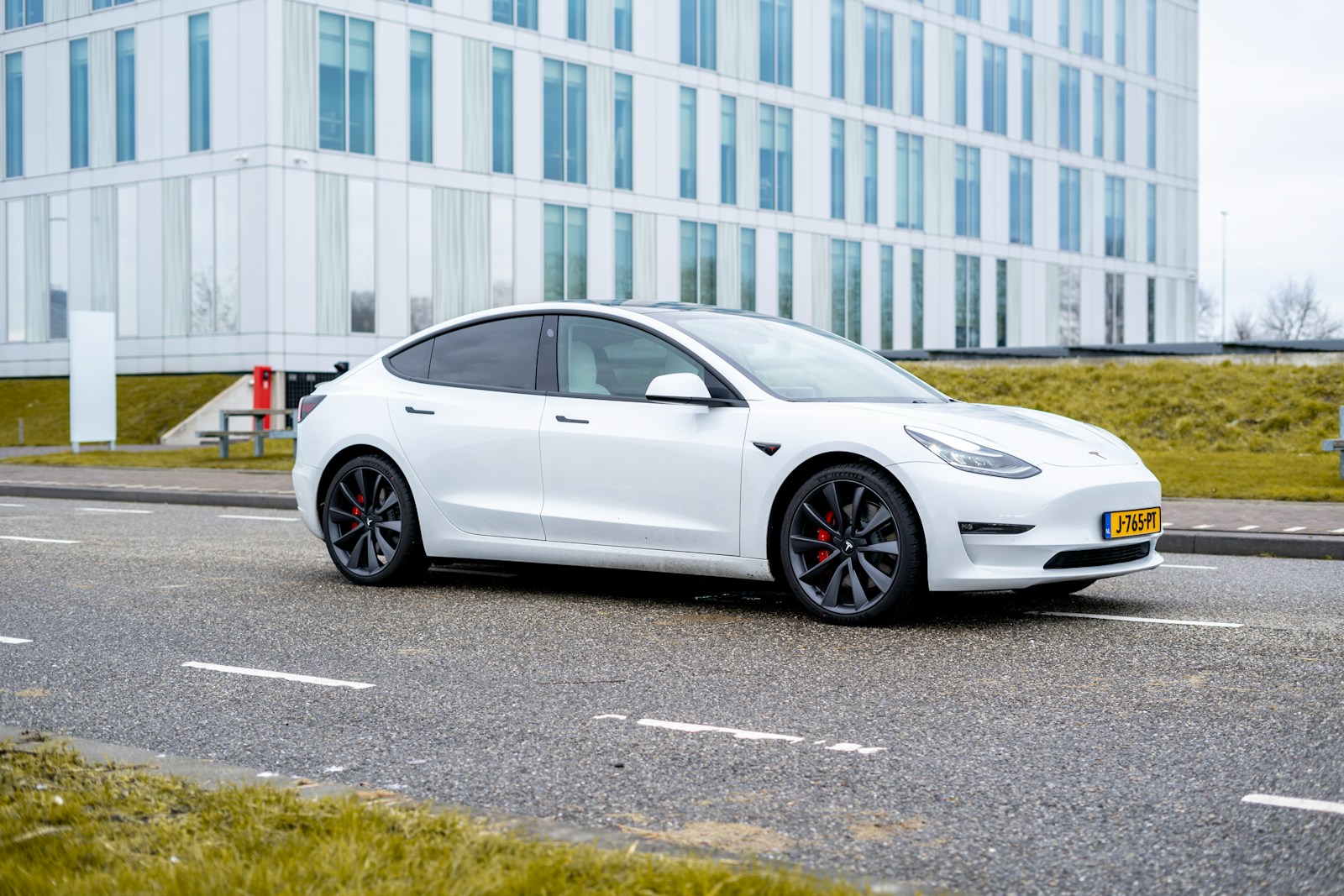
1. Tesla Model 3 (2018–Present)
The Tesla Model 3 was heralded as a revolutionary electric vehicle that would change the automotive landscape. With over 500,000 units sold as of 2023, it became one of the best-selling electric cars globally. However, many owners have reported issues, including inconsistent paint quality and premature battery degradation, raising questions about the vehicle’s long-term reliability. The initial excitement surrounding the Model 3 has been tempered by these concerns, leading some to label it as overhyped.
2. Ford Bronco (2021)
The revival of the Ford Bronco in 2021 was one of the most anticipated automotive launches, with over 125,000 reservations placed before it even hit showrooms. Enthusiasts expected a rugged off-roader that could compete with the Jeep Wrangler. However, many buyers have faced delays in delivery and supply issues, while quality concerns, including leaks and electrical problems, have left some owners disappointed. The initial hype surrounding the Bronco has not translated into universal satisfaction among its owners.
3. Chevrolet Corvette C8 (2020–Present)
The switch to a mid-engine layout for the Chevrolet Corvette C8 was met with widespread acclaim, and the car’s starting price of $59,900 made it an attractive option for performance enthusiasts. However, despite its impressive performance metrics, such as a 0-60 mph time of just 2.9 seconds, some critics have pointed out that the build quality and interior materials do not match its supercar aspirations. As a result, while the C8 has sold well, it hasn’t consistently met the lofty expectations set by its marketing.
4. Volkswagen ID.4 (2021)
Volkswagen’s ID.4 was introduced as a key player in the electric SUV market, with a starting price of around $39,995 and an EPA-rated range of 250 miles. While it received praise for its spacious interior and advanced technology, many users have criticized the performance and driving dynamics. The vehicle’s lackluster acceleration and steering feel have led to a perception that it is not quite as innovative as advertised, casting doubt on whether it truly represents the future of electric mobility.
5. Lucid Air (2021)
The Lucid Air burst onto the scene with claims of being the most advanced electric vehicle, boasting a range of up to 520 miles and a starting price of $77,400. However, production delays and the company’s struggle to ramp up manufacturing have overshadowed its initial buzz. With only about 7,000 units delivered by 2023, the Lucid Air has not yet made a significant impact in the market, leading many to question the viability of the brand and the overzealous marketing claims that accompanied its launch.
6. Rivian R1T (2021)
Rivian’s R1T electric pickup truck was touted as a game-changer with its innovative features and adventurous spirit, attracting significant investments and high consumer expectations. Despite an initial production target of 1,200 vehicles in 2021, the company struggled to meet demand, with only about 20,000 units delivered by the end of 2022. Furthermore, early buyers have reported quality issues, including software glitches and assembly defects, raising concerns about the vehicle’s overall dependability.
7. Toyota Supra (2020–Present)
The reintroduction of the Toyota Supra in 2020 excited car enthusiasts, especially with its BMW-engineered powertrain. Initial reviews praised its sporty design and performance, but owners have expressed disappointment over its high price point of around $42,000 and limited cargo space. Additionally, many feel it lacks the “pure” driving experience expected from a classic sports car, leading some to view it as overhyped compared to its predecessors.
8. Nissan Ariya (2021)
Nissan’s Ariya electric crossover made headlines as the brand’s first foray into the EV market, with a starting price of around $40,000 and a range of up to 300 miles. However, despite its cutting-edge design and technology, many have criticized the execution, citing delays in production and inconsistent availability.