

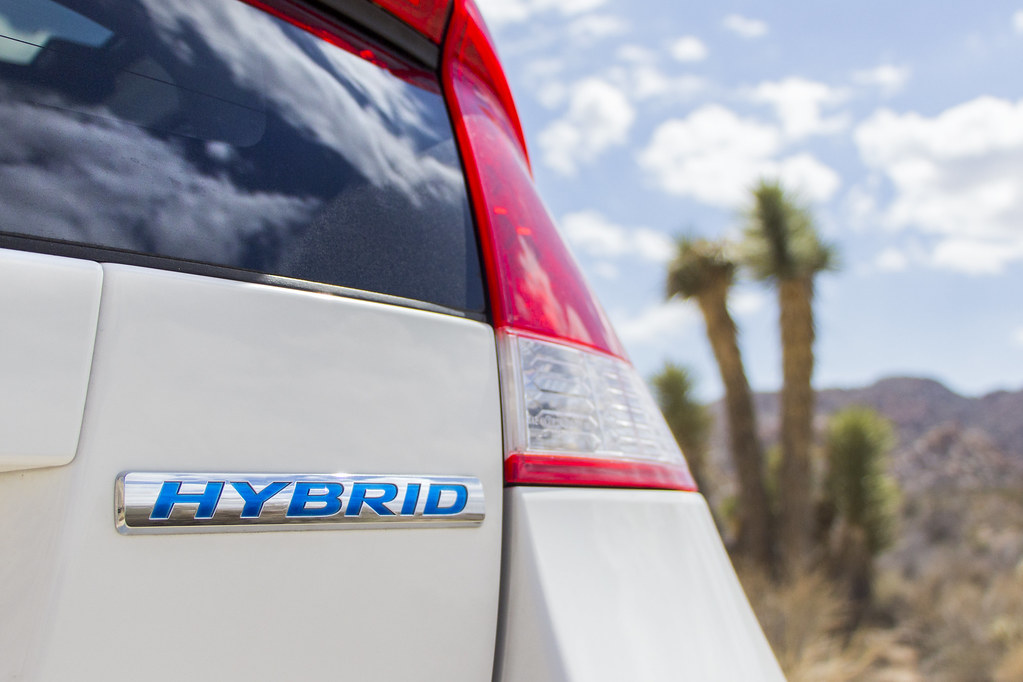
In a surprising turn of events, hybrid cars have begun to outsell electric vehicles (EVs) in the United States, reflecting changing consumer preferences and market dynamics. This shift is significant as it affects automakers, consumers, and environmental policy discussions amidst rising fuel prices and supply chain challenges that have impacted the availability of fully electric models.
The Sales Numbers Speak
According to recent data from automotive research firm Kelley Blue Book, hybrid vehicle sales in the U.S. increased by 40% in the first three quarters of 2023, while sales of electric vehicles rose by only 23% during the same period. This trend marks a notable change from previous years, where EVs were seen as the primary focus of the automotive industry’s transition to greener technologies. For instance, popular hybrid models like the Toyota RAV4 Hybrid and Honda Accord Hybrid have gained traction, reflecting consumer demand for vehicles that offer both fuel efficiency and traditional driving experiences.
Consumer Concerns Over EV Infrastructure
One of the primary reasons for the shift toward hybrids is consumer concern regarding the adequacy of charging infrastructure for electric vehicles. Many potential EV buyers are hesitant to make the switch due to worries about charging availability, especially in rural areas where charging stations are sparse. A survey conducted by the American Automobile Association (AAA) found that 54% of respondents expressed concerns about the lack of public charging stations, while only 26% felt confident about the availability of charging options on long trips.
Economic Factors at Play
Economic factors are also influencing consumer decisions. With gas prices averaging $3.80 per gallon in October 2023, many drivers are looking for more affordable options for daily commuting. Hybrid cars, which combine a gasoline engine with an electric motor, offer the advantage of fuel efficiency without the range anxiety associated with fully electric vehicles. For example, the 2023 Toyota Camry Hybrid boasts an impressive EPA-estimated 52 mpg combined, making it an attractive choice for budget-conscious consumers.
Government Incentives and Market Availability
Government incentives for hybrid vehicles remain strong, further motivating consumers to choose these models over fully electric alternatives. While federal tax credits for EVs can be substantial—up to $7,500—many hybrids also qualify for state incentives, making them financially appealing. Furthermore, manufacturers are ramping up production of hybrid models, ensuring that consumers have a wide variety of options available. The Ford Escape Hybrid and the Hyundai Tucson Hybrid are just a couple of examples of newly released models that cater to this growing segment.
Perceptions of Reliability and Resale Value
Consumer perceptions of reliability and resale value are additional factors driving the popularity of hybrid vehicles. Many buyers view hybrids as a more established technology compared to EVs, which are still seen as emerging and potentially less reliable. A report from Edmunds indicates that hybrids retain their value better than many EVs, which can depreciate significantly after just a few years due to rapid advancements in battery technology and competition in the market.
Environmental Considerations
While both hybrids and EVs are considered environmentally friendly options, some consumers are still uncertain about the environmental impact of battery production for electric vehicles. Concerns about the mining of lithium and cobalt, essential components for EV batteries, have raised questions about the sustainability of fully electric cars. Hybrids, utilizing both gasoline and electric power, are often viewed as a transitional step toward a more sustainable automotive future, appealing to environmentally conscious consumers who may be reluctant to fully commit to EVs at this stage.
The Future of Hybrid Vehicles in the Automotive Market
The increasing market share of hybrid cars suggests they will play a crucial role in the automotive landscape for the foreseeable future. Automakers are likely to continue investing in hybrid technology as they navigate the complexities of consumer preferences, regulatory requirements, and the transition to cleaner transportation solutions. Major manufacturers like Toyota and Honda are expected to expand their hybrid offerings, ensuring that consumers have a strong selection to choose from.
What This Means for Consumers
As hybrid vehicles continue to gain popularity, consumers should stay informed about their options and the evolving automotive market. With the potential for rising fuel prices and ongoing advancements in technology, now may be the time to consider a hybrid as a versatile and economical choice. Whether for daily commuting or family trips, hybrids offer a practical solution that balances efficiency and convenience.
Call to Action
For consumers contemplating their next vehicle purchase, the shift toward hybrid cars presents an opportunity to explore a versatile and efficient option. Research various hybrid models, visit dealerships, and consider how