

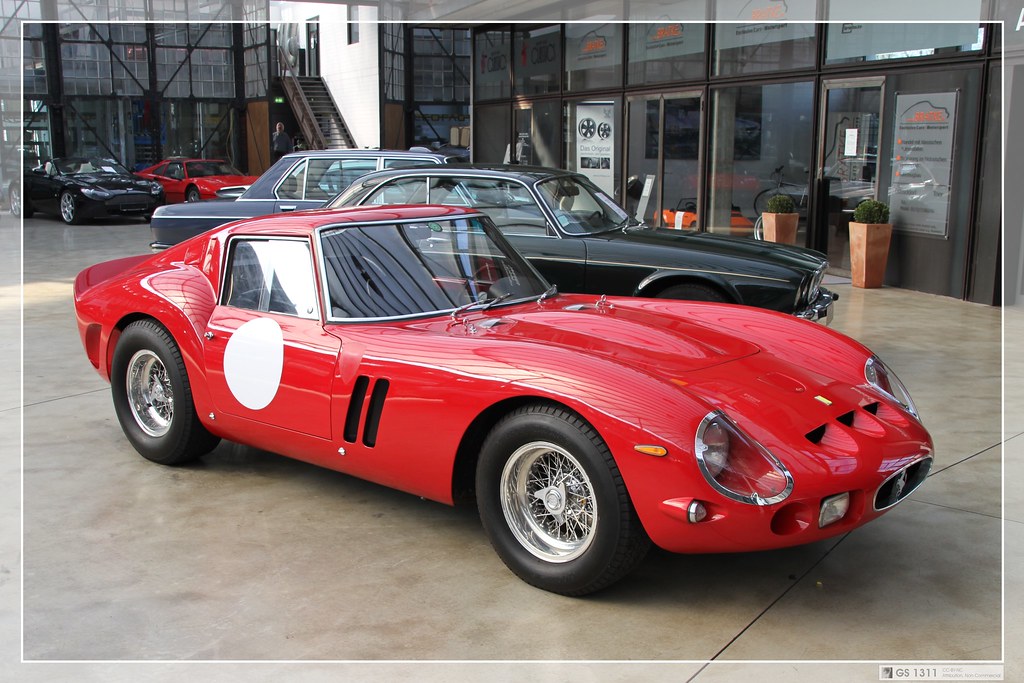
The automotive world is home to some of the rarest cars ever built, with only a handful of units produced and even fewer remaining today. These unique vehicles not only represent the pinnacle of engineering and design but also command staggering prices at auctions, making them a focal point for collectors and enthusiasts alike. Understanding the rarity of these cars sheds light on their historical significance and the factors contributing to their value in today’s market.
What Defines Rarity in Automotive Terms?
Rarity in the automotive industry can be defined by several criteria, including the number of units produced, the specific model year, and the unique features that distinguish a car from its peers. For instance, a car that has only 10 units manufactured, like the 2003 Ferrari FXX, is considered extremely rare. The scarcity of these vehicles often drives their prices to astronomical levels, with some selling for millions of dollars at auction.
Top Contenders for Rarest Cars
Among the rarest cars ever made, the 1962 Ferrari 250 GTO stands out prominently. Only 39 units were built, and they frequently sell for over $48 million, making it one of the most expensive cars in history. Another notable mention is the 1937 Talbot-Lago T150-C-SS Teardrop Coupe, of which only 14 were produced. In recent auctions, these models have fetched upwards of $13 million, demonstrating their desirability among collectors.
Significance of Limited Production Models
Limited production models often carry a historical significance that enhances their value. For example, the 1954 Mercedes-Benz W196 Formula One car was produced in very small numbers and is celebrated for its engineering excellence. In 2013, one of these cars was auctioned for $29.6 million, highlighting how racing pedigree and limited availability can greatly amplify a car’s worth.
The Role of Unique Features
Cars with unique features or exceptional design elements also tend to be exceedingly rare. The 1996 McLaren F1, for instance, featured a central driving position and was produced in only 64 units. The combination of innovative design and limited availability has led to recent sales exceeding $20 million. Such unique attributes often make these cars not just vehicles, but works of art.
Modern Rarity: Hypercars and Limited Editions
Today’s automotive market has also seen the rise of hypercars, which are often produced in limited quantities. Models like the 2019 Bugatti La Voiture Noire were produced in just one unit, making it one of the rarest modern cars. This particular model was priced at approximately $18 million, showcasing how modern rarity can rival classic models in value.
The Impact of Provenance on Value
The history of a car, known as its provenance, significantly impacts its value in the collector market. A car previously owned by a celebrity or featured in a notable film can dramatically increase its desirability. For example, the 1970 Dodge Charger driven by Vin Diesel in “The Fast and the Furious” franchise has become a sought-after collector’s item, demonstrating how fame can intertwine with automotive rarity.
Preservation and Restoration Challenges
Owning a rare car comes with its own set of challenges, especially when it comes to preservation and restoration. Parts for these vehicles are often difficult to find, and maintaining their original condition is paramount for keeping their value intact. Owners frequently invest significant time and money into ensuring that these cars remain in peak condition, further emphasizing their rarity and the dedication required to maintain them.
The Future of Rare Cars
As automotive technology evolves, the future of rare cars may shift. With an increasing focus on electric and hybrid vehicles, traditional gas-powered cars might become even rarer. This shift could see the values of classic cars appreciate even further, as they become more of a historical artifact than merely a mode of transport. Car enthusiasts and collectors are keeping a close eye on how this trend unfolds.
Conclusion: The Importance of Preservation
Understanding the rarity and significance of these unique cars is crucial for collectors, enthusiasts, and anyone interested in automotive history. The intersection of limited production, unique features, and historical significance creates a compelling narrative that drives the market. As rare cars continue to attract attention and investment, it is essential for the automotive community to engage in their preservation and appreciation.
For those passionate about automobiles, following the trends in rare car auctions and preservation efforts is vital. The world of rare cars is not just a marketplace; it is a vibrant community that cherishes