

The automotive industry has been shaped by numerous vehicles, but certain models stand out as transformative forces that have redefined transportation, culture, and technology. From the Ford Model T to the Tesla Model 3, these influential cars have left a lasting impact on society, influencing not only how we travel but also how we think about mobility and sustainability.
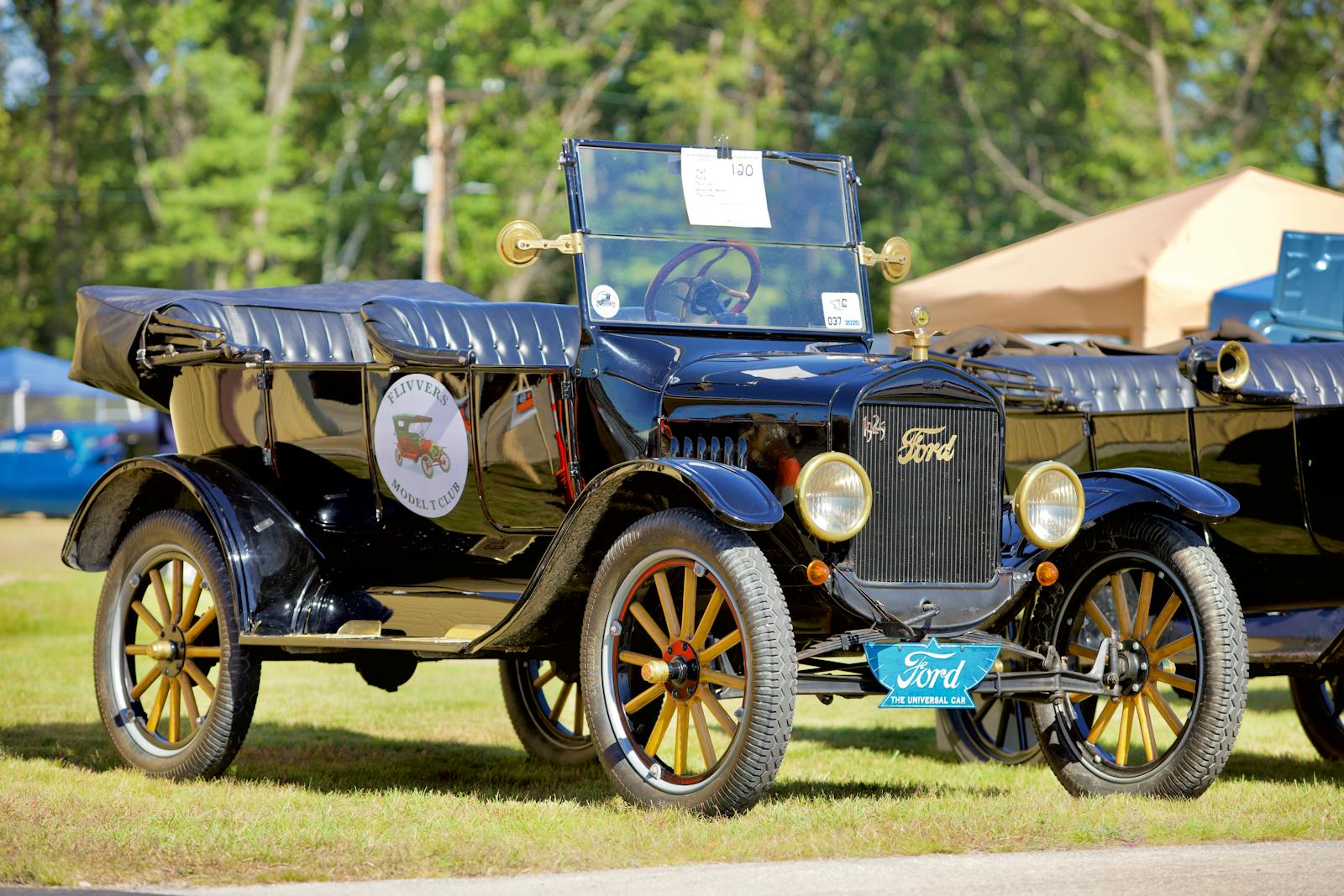
Ford Model T: The Birth of the Mass-Market Automobile
Introduced in 1908, the Ford Model T revolutionized the automobile industry by making cars affordable for the average American. Priced at around $850 initially, the Model T’s mass production techniques, implemented through assembly lines, allowed Ford to reduce costs significantly. By 1927, over 15 million units had been sold, establishing the Model T as the first mass-market vehicle.
This car not only changed personal transportation but also transformed American society, contributing to the growth of suburbs and the expansion of the highway system. Its influence extended beyond the U.S., as countries around the world adopted similar manufacturing techniques, setting the stage for the global automotive industry.
Volkswagen Beetle: Design and Cultural Icon
Launched in 1938, the Volkswagen Beetle became one of the best-selling cars in history, with over 21 million units produced by 2003. Designed by Ferdinand Porsche at the behest of Adolf Hitler, the Beetle’s simple, efficient design appealed to a wide audience. Its distinctive shape and affordability made it a cultural icon, particularly during the counterculture movement of the 1960s.
The Beetle not only stood out for its design but also for its reliability and efficiency, which appealed to consumers during an era of economic uncertainty. Its legacy continues today, influencing modern designs and maintaining a cult following worldwide.
Chevrolet Corvette: The American Sports Car
Debuting in 1953, the Chevrolet Corvette established itself as America’s sports car, embodying freedom and performance. With its sleek lines and powerful V8 engine, the Corvette appealed to car enthusiasts and everyday drivers alike. By 2020, the Corvette had sold over 1.75 million units, showcasing its enduring popularity.
Beyond its performance, the Corvette has played a significant role in American automotive culture, representing innovation in design and engineering. It has left an indelible mark on motorsports and car shows, becoming synonymous with American automotive pride.
Toyota Corolla: The Best-Selling Car of All Time
Since its launch in 1966, the Toyota Corolla has become the best-selling car of all time, with over 44 million units sold globally as of 2021. Its reputation for reliability, affordability, and fuel efficiency has made it a favorite among consumers worldwide. The Corolla’s consistent updates have allowed it to remain relevant in an ever-changing market.
The success of the Corolla has influenced automotive manufacturing strategies, leading many manufacturers to focus on producing reliable, cost-effective vehicles. Its sales figures demonstrate the importance of understanding consumer needs and adapting to market demands.
Tesla Model 3: The Electric Revolution
Launched in 2017, the Tesla Model 3 has played a pivotal role in popularizing electric vehicles (EVs) and changing perceptions of sustainability in the automotive industry. With a starting price of around $35,000, the Model 3 made EVs accessible to a broader audience. It quickly became the best-selling EV in the United States, with over 500,000 units sold by the end of 2020.
The Model 3’s success has prompted major automakers to accelerate their electric vehicle programs, as consumer demand for sustainable alternatives to gasoline vehicles grows. This shift has significant implications for the environment, energy consumption, and the future of transportation.
Conclusion: The Ongoing Influence of Automotive Innovation
The history of influential cars illustrates the profound impact that automotive innovation has had on society and the economy. Each of these vehicles has not only redefined personal transportation but has also reflected broader cultural and technological shifts. As the automotive landscape continues to evolve, the legacy of these iconic models serves as a reminder of the power of innovation and the importance of adapting to changing consumer needs.
As electric vehicles gain momentum and new technologies emerge, consumers should stay informed and engaged in the evolving automotive landscape. The decisions made today regarding vehicle choices will shape the future of transportation and sustainability for generations to come. Explore your options and get involved in the conversation about the future of mobility now.