

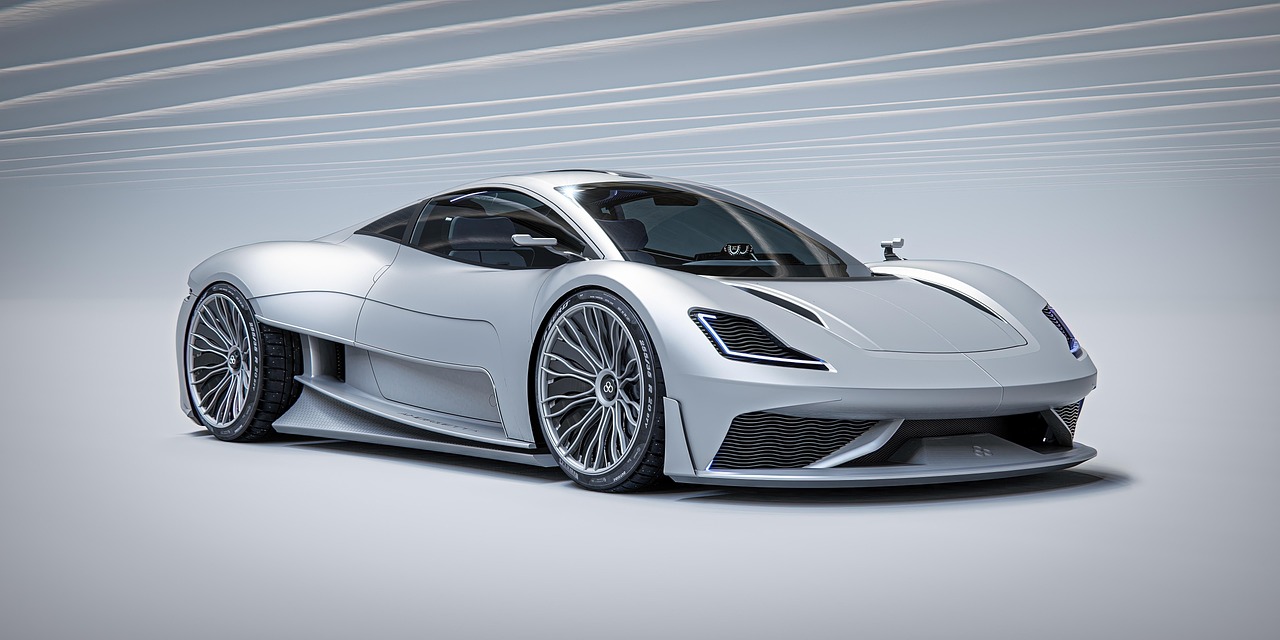
The rise of electric vehicle (EV) sports cars represents a significant shift in the automotive industry, with major implications for performance, sustainability, and consumer choice. As manufacturers like Tesla, Porsche, and Ford unveil high-performance electric sports cars, the traditional perception of sports cars is evolving rapidly. This transformation not only affects car enthusiasts but also has broader environmental and economic implications.
Performance Revolution
Electric sports cars are redefining performance standards. Unlike internal combustion engine vehicles, EVs deliver instant torque, resulting in quicker acceleration and more responsive handling. For instance, the 2022 Tesla Model S Plaid boasts a 0-60 mph time of just 1.99 seconds, making it one of the fastest production cars ever made. This level of performance challenges the long-held dominance of gas-powered sports cars, positioning EVs as serious contenders on the racetrack and the open road.
Manufacturers are increasingly focusing on performance metrics that cater to both speed enthusiasts and eco-conscious consumers. Electric sports cars like the Porsche Taycan and the Ford Mustang Mach-E GT are not only equipped with cutting-edge technology but also provide an exhilarating driving experience that rivals their combustion counterparts. With advancements in battery technology and electric drivetrains, the future of sports cars is electric.
Environmental Impact
The transition to electric sports cars also offers significant environmental benefits. According to the International Energy Agency, the transportation sector accounts for approximately 24% of global CO2 emissions. By shifting to EVs, which produce zero tailpipe emissions, the automotive industry can play a crucial role in mitigating climate change. For instance, if 10% of all U.S. vehicles were electric, it could offset around 30 million tons of CO2 annually.
In addition to reducing greenhouse gas emissions, electric sports cars typically use fewer resources over their lifecycle. With the growing emphasis on sustainability, manufacturers are exploring ways to incorporate recycled materials into their vehicle designs. This aligns with consumer demand for greener alternatives, particularly among younger buyers who prioritize environmental responsibility.
Economic Implications
The electrification of sports cars is also reshaping the economic landscape of the automotive industry. As of 2023, the global electric vehicle market is projected to reach $800 billion, with sports cars representing a key segment of this growth. Major automakers are investing heavily in electric technology, with Ford committing over $50 billion to EV development by 2026. This shift not only creates jobs in manufacturing and technology but also spurs innovation across the supply chain.
Moreover, the demand for EV sports cars is fueling competition among manufacturers. As more companies enter the market, consumers are likely to benefit from improved technology and reduced prices. Analysts predict that by 2025, the cost of EV batteries will drop to around $100 per kilowatt-hour, making electric vehicles more affordable and accessible to the average consumer.
Challenges Ahead
Despite the promising outlook for EV sports cars, several challenges remain. Charging infrastructure is one of the most significant barriers to widespread adoption. As of early 2023, there are approximately 140,000 public charging stations in the United States, far fewer than the number of gas stations. Expanding this network is essential to alleviate range anxiety and encourage more consumers to transition to electric vehicles.
Additionally, concerns about battery life and disposal continue to be hot topics. While advancements in battery technology are improving longevity and performance, the environmental impact of battery production and recycling must be addressed. Manufacturers are actively researching sustainable battery solutions, but it will take time before these innovations are fully realized.
Shifting Consumer Preferences
Consumer preferences are also evolving, with many buyers showing a keen interest in electric sports cars. A recent survey found that 55% of potential car buyers are considering an EV as their next vehicle, with performance being a significant factor in their decision-making process. This shift indicates a growing acceptance of electric technology among traditional sports car enthusiasts, as they seek vehicles that offer both speed and sustainability.
As the market for EV sports cars expands, manufacturers are tailoring their offerings to meet diverse consumer needs. Customization options, performance packages, and cutting-edge technology are becoming standard features. This level of personalization is attracting a new generation of drivers who are eager to embrace the future of automotive innovation.
Conclusion: A Call to Action
The emergence of electric sports cars is not just a trend; it represents a fundamental change in the automotive landscape that could redefine performance, sustainability, and consumer choice for years to come. As consumers and industry stakeholders navigate this transformation, engagement and awareness are crucial. Now is the time for potential buyers to