

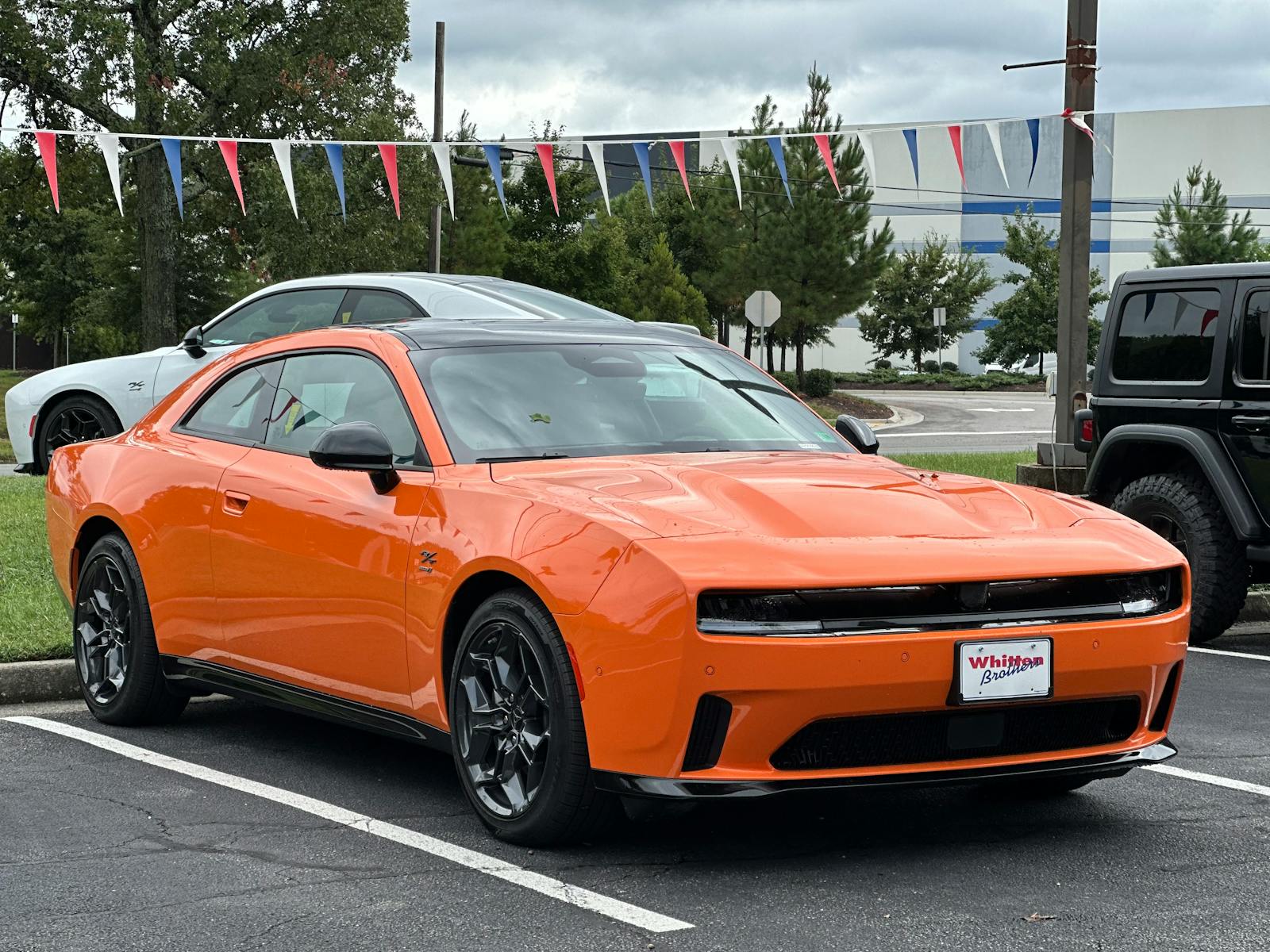
As automotive manufacturers push the boundaries of design and technology, a growing debate has emerged regarding whether new cars are becoming overdesigned, potentially compromising functionality and affordability. This discussion touches on both consumer preferences and the economic implications for the automotive market, affecting millions of buyers and influencing industry standards.
Consumer Concerns About Aesthetic vs. Practicality
Many consumers are expressing concerns that the latest car models prioritize style over practicality. For example, the 2023 Tesla Model S boasts an array of high-tech features and a sleek design that appeals to many buyers, but critics argue that this focus on aesthetics can lead to usability issues. Features like touchscreens replacing traditional buttons may look modern, but they can distract drivers and complicate operation during critical moments.
Moreover, the trend toward intricate body designs can result in increased repair costs and difficulty in sourcing replacement parts. A study conducted by AAA found that the average cost of a collision repair has risen to approximately $4,000, partly due to the complexity of new vehicle designs. As vehicles become more intricate, the costs associated with maintenance and repairs also escalate, placing a financial burden on consumers.
The Role of Technology in Design
Advancements in technology have significantly influenced vehicle design, with manufacturers integrating features such as advanced driver-assistance systems, infotainment interfaces, and even autonomous driving capabilities. While these innovations enhance safety and convenience, critics argue that they sometimes complicate the user experience. For instance, the 2021 Ford F-150 introduced a plethora of tech features that can overwhelm the average user, diverting attention from the road.
Furthermore, the integration of technology into design can lead to rapid obsolescence. According to a report from McKinsey, new vehicles are expected to incorporate software updates and features that may become outdated within just a few years. This raises the question of whether consumers are purchasing a vehicle that will soon feel outdated, despite the hefty price tag, which for many new cars exceeds $40,000.
Market Trends and Consumer Preferences
Sales data indicates a shift in consumer preferences, with many buyers gravitating towards practicality rather than luxury. According to the National Automobile Dealers Association (NADA), sales of SUVs and trucks have surged in recent years, with these categories making up nearly 75% of new vehicle sales in 2022. This trend suggests that consumers are prioritizing functionality and space over avant-garde designs.
In response to these changing preferences, some manufacturers are beginning to rethink their design approaches. Brands like Honda and Toyota have focused on creating vehicles that deliver reliability and ease of use, such as the 2023 Honda CR-V, which balances modern aesthetics with practical features like ample cargo space and straightforward controls.
The Price of Overdesign
The cost of overdesign extends beyond just monetary value; it can also affect accessibility. With the average price of a new car reaching $45,000 in 2023, many consumers are finding it increasingly difficult to afford a new vehicle. The combination of high design costs and advanced technology can make cars less accessible to the average buyer, particularly in a market where interest rates are rising and inflation is putting additional pressure on household budgets.
Moreover, overdesign may lead to longer wait times for repairs, as dealerships struggle to keep up with the demand for specialized parts and skilled technicians familiar with advanced systems. This adds another layer of frustration for consumers who may find their vehicles inoperable for extended periods due to minor accidents or breakdowns.
Industry Response and Future Outlook
In light of these concerns, some manufacturers are reevaluating their design strategies. According to a survey by Automotive News, nearly 65% of industry executives believe that the focus on overdesign will need to shift toward creating more user-friendly vehicles that prioritize durability and ease of repair. This could lead to a resurgence of simpler, more practical designs that appeal to a broader range of consumers.
As the automotive industry navigates this complex landscape, consumers must remain vigilant. The trend toward overdesign may continue as manufacturers strive to differentiate themselves in a competitive market. However, it is crucial for buyers to assess whether the features and aesthetics align with their actual needs and budgets.
Call to Action
As consumers navigate the evolving automotive landscape, it is essential to consider the balance between design, functionality, and cost. Potential buyers should conduct thorough research, test drive various models, and evaluate whether the latest features enhance their driving experience or simply complicate it. With the automotive market constantly changing, staying informed is key to making the best decision for your next vehicle purchase.