

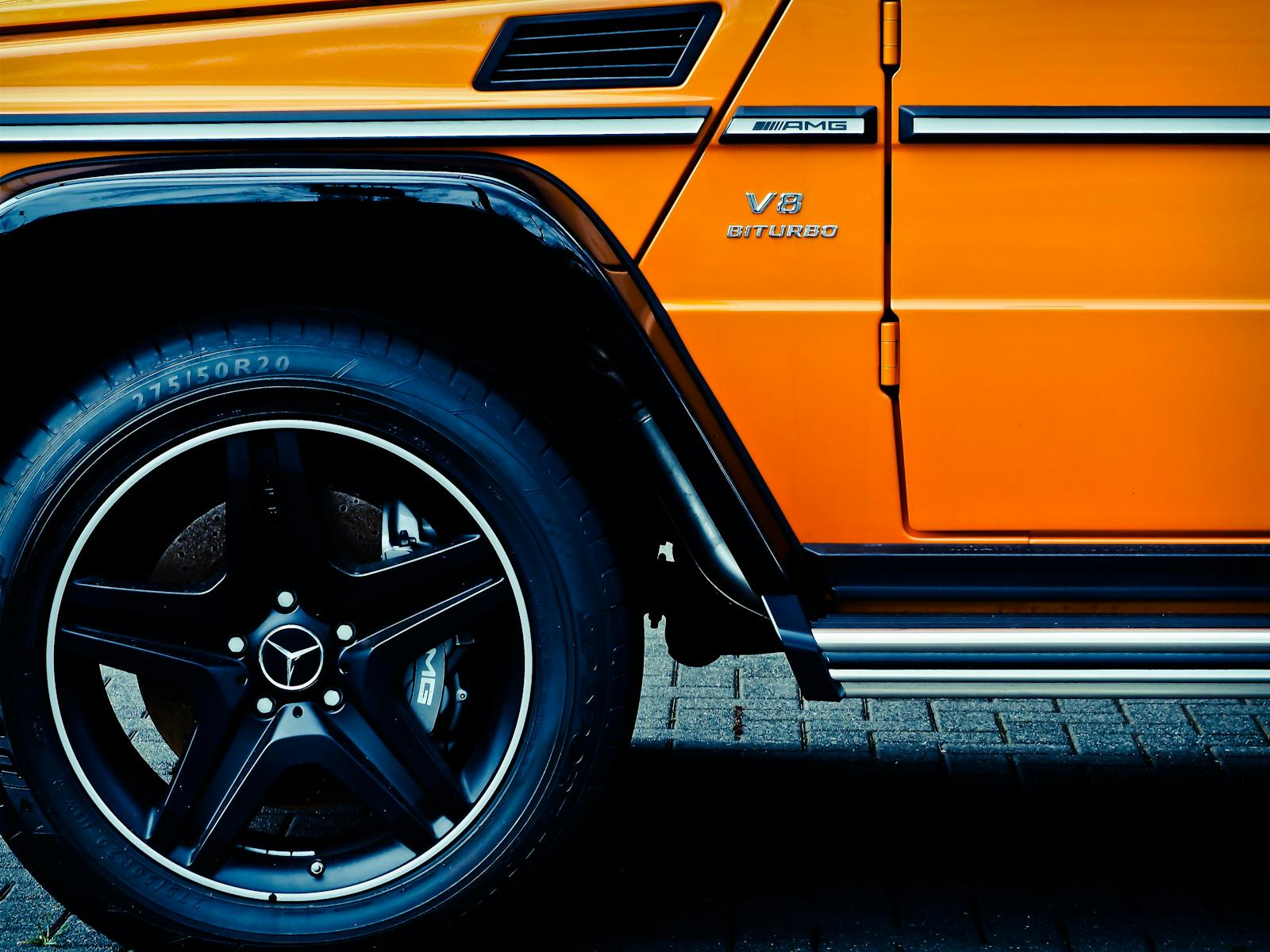
The automotive industry is facing a pivotal moment as discussions intensify over whether automakers should continue producing V8 engines. This debate impacts not only manufacturers and consumers but also the broader context of environmental policy and fuel efficiency, particularly as automakers pivot towards electric vehicles (EVs). With a growing emphasis on sustainability and emission reductions, the question arises: Are V8s still viable in today’s market?
The Current State of V8 Engines
V8 engines have long been a staple in American automotive culture, known for their powerful performance and distinctive engine growl. However, according to the International Energy Agency, global sales of electric vehicles surged to over 10 million units in 2022, representing a 55% increase from the previous year. This growth poses a significant challenge for traditional gas-powered engines, including V8s, which are typically found in performance-oriented vehicles like the 2020 Chevrolet Corvette and the 2021 Ford F-150.
Consumer Preferences Are Changing
Recent surveys by automotive research firms indicate a marked shift in consumer preferences, with 54% of respondents expressing interest in EVs over traditional combustion engines. This change is driven by a combination of factors including rising fuel prices, which averaged $4.09 per gallon in 2023, and an increasing awareness of climate change. As consumers become more environmentally conscious, the demand for fuel-efficient vehicles continues to rise, leading many to question the practicality of maintaining V8 production.
Automakers Respond to Market Trends
In response to changing consumer preferences, several automakers have begun to phase out their V8 offerings. General Motors, for instance, announced plans to stop producing its iconic V8 engines by 2035, opting instead to invest heavily in electric vehicle technology. Meanwhile, Ford has introduced hybrid versions of its popular models, such as the 2021 F-150, which combines a smaller engine with electric power to improve fuel efficiency while still catering to performance enthusiasts.
Performance vs. Environmental Concerns
One of the most significant arguments in favor of V8 engines remains their performance capabilities. V8s deliver superior power and torque, making them popular among truck and sports car enthusiasts. For example, the 2022 Ram 1500 offers an optional 5.7-liter HEMI V8, providing up to 395 horsepower and 410 lb-ft of torque. However, this performance comes at the expense of fuel economy, as V8 engines typically produce more emissions compared to smaller, more efficient engines or electrified alternatives.
Legislative Pressures and Future Regulations
Legislation surrounding emissions and fuel efficiency is tightening globally. The Biden administration has proposed new regulations that aim to cut greenhouse gas emissions from vehicles by 40% by 2026. Such policies could make it increasingly difficult for automakers to justify the production of V8 engines, particularly as the automotive landscape shifts towards electrification. Automakers will need to balance performance and compliance, potentially leading to a decrease in V8 offerings.
The Economic Impact on Automakers
The decision to phase out V8 engines could have significant economic ramifications for automakers. In 2022, V8-powered vehicles accounted for approximately 30% of all full-size truck sales in the United States. As manufacturers pivot towards electric vehicles, they face substantial investment costs for research and development, charging infrastructure, and production facilities. The transition may also impact jobs in the automotive sector, particularly in areas focused on traditional engine manufacturing.
Conclusion: A Crossroad for the Automotive Industry
As automakers navigate this complex landscape, the future of V8 engines hangs in the balance. While they remain beloved by many for their performance and heritage, the growing demand for sustainability and electric vehicles is reshaping the industry. The shift may lead to a gradual decline in V8 production, forcing enthusiasts to confront the reality of a rapidly changing automotive environment.
With automakers like Ford and GM making significant changes, consumers and industry stakeholders alike must stay informed about these developments. As the automotive industry evolves, the question remains: Should automakers keep making V8s, or is it time to embrace a new era of electric power? Your voice matters in this discussion, so stay engaged and share your thoughts on the future of automotive engineering.