

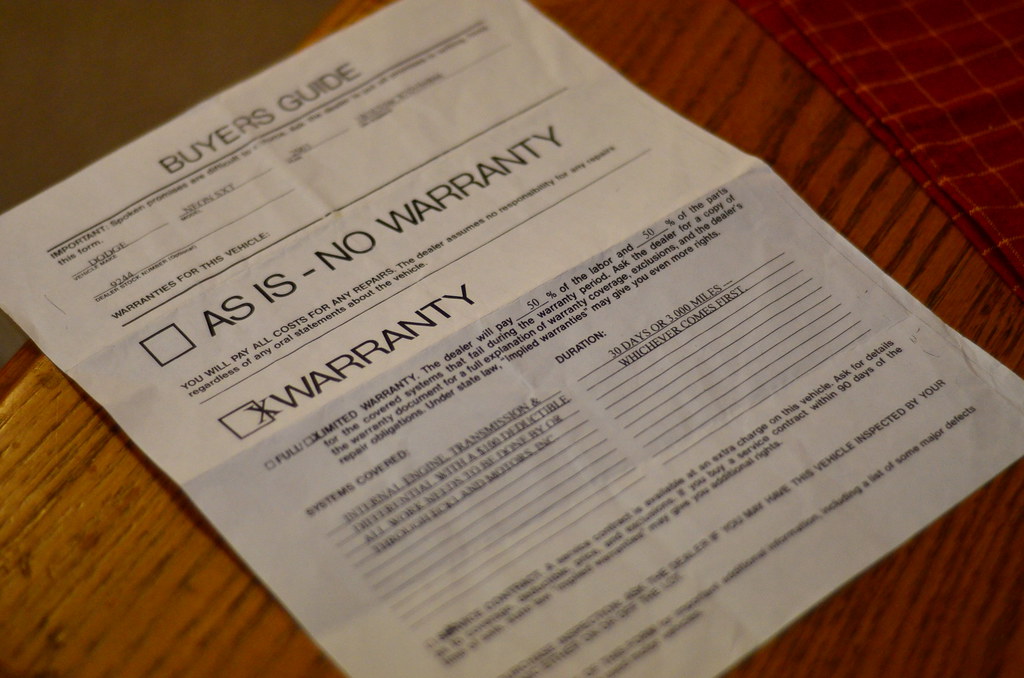
Extended warranties are costing consumers billions of dollars each year, with many unaware of their true value and effectiveness. A recent survey indicated that only 30% of consumers who purchased an extended warranty actually used it, raising questions about whether these additional protections are worth the investment. As more people purchase electronics, appliances, and vehicles, understanding the pros and cons of extended warranties is critical for making informed financial decisions.
What Are Extended Warranties?
Extended warranties, often marketed as service contracts, are agreements that provide coverage for repairs and replacements beyond the standard manufacturer warranty. Generally, these warranties can last from one to five years and cover various types of products, including electronics, home appliances, and automobiles. For example, consumers who buy a 2022 Samsung Smart TV may consider an extended warranty that extends coverage for an additional three years.
Consumer Spending on Extended Warranties
In 2022 alone, consumers in the United States spent approximately $40 billion on extended warranties, a significant increase from previous years. The consumer electronics sector accounted for a substantial portion of this spending, with extended warranties for smartphones, laptops, and televisions driving the numbers. This financial commitment raises important questions about the effectiveness and necessity of these warranties.
Understanding the Fine Print
Before committing to an extended warranty, it’s essential for consumers to read the fine print carefully. Many warranty agreements contain limitations and exclusions that can significantly affect their usefulness. For instance, certain warranties may not cover accidental damage, wear and tear, or damage due to misuse, which leaves many consumers unprotected when they need it most.
The Rates of Claims and Payouts
Statistics reveal that only about 12% of consumers who purchase extended warranties actually file a claim. Furthermore, of those who do, only 60% receive a payout. This disparity highlights a critical issue: many consumers are paying for services they may never utilize. Additionally, the average payout for claims is often lower than the total amount paid for the warranty, leading many to question the value of their investment.
Calculating the Cost-Benefit Ratio
When considering whether to purchase an extended warranty, consumers should evaluate the cost against potential repair expenses. For example, a $300 warranty on a home appliance might seem reasonable compared to a $700 repair bill. However, if the likelihood of a breakdown is low, the warranty may not be a wise investment. Experts suggest setting aside a fund for unexpected repairs rather than relying on extended warranties.
Consumer Sentiment and Trends
Recent surveys indicate that consumer sentiment towards extended warranties is mixed. While some individuals appreciate the peace of mind that comes with extended coverage, others feel they have been misled by aggressive marketing tactics. A 2023 poll found that 45% of participants believe extended warranties are a waste of money, while 25% felt they would purchase one again in the future. This division underscores the need for transparency in the industry.
Alternatives to Extended Warranties
For consumers wary of extended warranties, several alternatives may provide better financial security. Credit cards often offer built-in protection for purchases, including extended warranties on new items. Additionally, some homeowners and renters insurance policies may cover damages to electronics and appliances, mitigating the need for an extended warranty. Exploring these options can help consumers make more informed choices.
What Consumers Should Do
As consumers navigate the world of extended warranties, it’s crucial to conduct thorough research before making a purchase. Reading reviews, understanding the terms of service, and evaluating personal usage patterns can help determine whether a warranty is a sound investment. Furthermore, consulting with consumer protection agencies can provide insight into the most reputable warranty providers.
Conclusion: Buyer Beware
The landscape of extended warranties is complex and often misleading. With billions of dollars at stake, consumers must approach these contracts with caution and skepticism. As markets continue to expand and evolve, staying informed about the true value and effectiveness of extended warranties is more critical than ever. Before making a purchase, take the time to assess your options, understand the potential risks, and consider alternatives. Your wallet will thank you.