

The concept of flying cars has transitioned from science fiction to a plausible technological advancement, with various companies making strides toward commercializing this futuristic mode of transportation. The implications for urban mobility, environmental sustainability, and economic growth are significant, as several pilot projects and prototypes emerge across the globe. As advancements accelerate, the question remains: are we truly on the brink of integrating flying cars into daily life, or is it merely an elusive dream?
Current Developments in Flying Car Technology
In 2023, several companies have entered the flying car race, each with unique designs and operational plans. Notably, Joby Aviation, a California-based company, has made headlines by successfully completing test flights of its electric vertical takeoff and landing (eVTOL) aircraft, the Joby S4. This aircraft is designed to carry four passengers and a pilot, achieving speeds of up to 200 miles per hour with a range of approximately 150 miles on a single charge. The company aims to launch commercial operations as early as 2025, pending regulatory approvals.
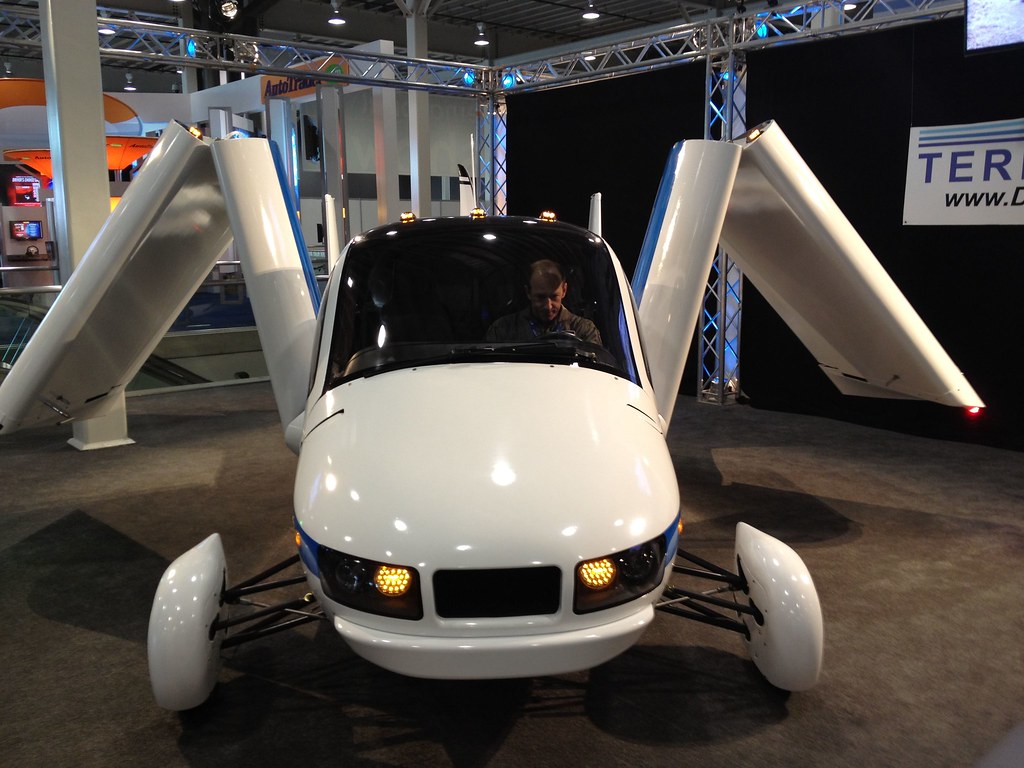
Another major player is Terrafugia, which has been developing its Transition model, a hybrid vehicle that can function as both a car and an airplane. The Transition has a wingspan of 28 feet and is expected to hit the market at a price point of around $300,000. With over 100 pre-orders already in the books, the demand for such vehicles is indicative of public interest in flying cars.
Regulatory Challenges and Safety Concerns
Despite significant technological advancements, regulatory hurdles pose a significant challenge to the widespread adoption of flying cars. The Federal Aviation Administration (FAA) in the United States is currently working on frameworks to govern air traffic management for eVTOL aircraft. These regulations are essential to ensure safety in densely populated urban environments. Experts estimate that it may take several years, potentially as late as 2030, before comprehensive regulations are established.
Safety concerns also remain paramount. The potential for accidents, technical failures, and the need for pilot training are all critical issues that must be addressed. The FAA’s history of rigorous safety standards indicates that any flying car must undergo extensive testing and certification processes before it can be deemed safe for public use.
Environmental Impact and Sustainability
One of the key selling points of flying cars is their potential to reduce traffic congestion and lower carbon emissions. Many eVTOLs are designed to be electric, contributing to a decrease in greenhouse gases compared to traditional vehicles. For instance, Joby Aviation claims that its S4 aircraft can produce up to 100 times less noise than a helicopter and has a significantly lower environmental footprint. However, the overall impact on the environment will depend on the sources of electricity used to charge these vehicles and the infrastructure developed to support them.
Additionally, as cities become more congested, the implementation of flying cars could streamline urban transport. According to a report from the International Transport Forum, urban air mobility could reduce travel time by up to 50%, significantly enhancing the efficiency of city logistics and personal transportation.
Public Perception and Market Readiness
Public perception plays a crucial role in the future of flying cars. A recent survey conducted by the National Institute of Transportation showed that while 70% of respondents are intrigued by the idea of flying cars, only 30% would feel safe using them regularly. This skepticism highlights the need for companies to invest in public education and outreach to build trust and confidence in this new mode of transport.
Market readiness is another critical factor. Analysts estimate the urban air mobility market could reach $1.5 trillion by 2040. However, for this to happen, manufacturers must ensure that flying cars are not just safe and reliable but also affordable for the average consumer. The ongoing development of autonomous technology could further reduce costs and increase accessibility.
Conclusion: The Path Ahead
The future of flying cars is a complex interplay of technological innovation, regulatory frameworks, public perception, and environmental considerations. While companies like Joby Aviation and Terrafugia are making significant strides, the road to widespread adoption is fraught with challenges. As we look to the future, stakeholders must work collaboratively to address safety, regulatory, and public perception issues.
For those eager to see flying cars become a reality, staying informed and advocating for sensible regulations and infrastructure development is crucial. As the flying car revolution approaches, public engagement and support will play a vital role in determining whether this dream becomes a reality or remains a fantasy. It’s time to pay attention to the skies and prepare for what could be the next leap in transportation.