

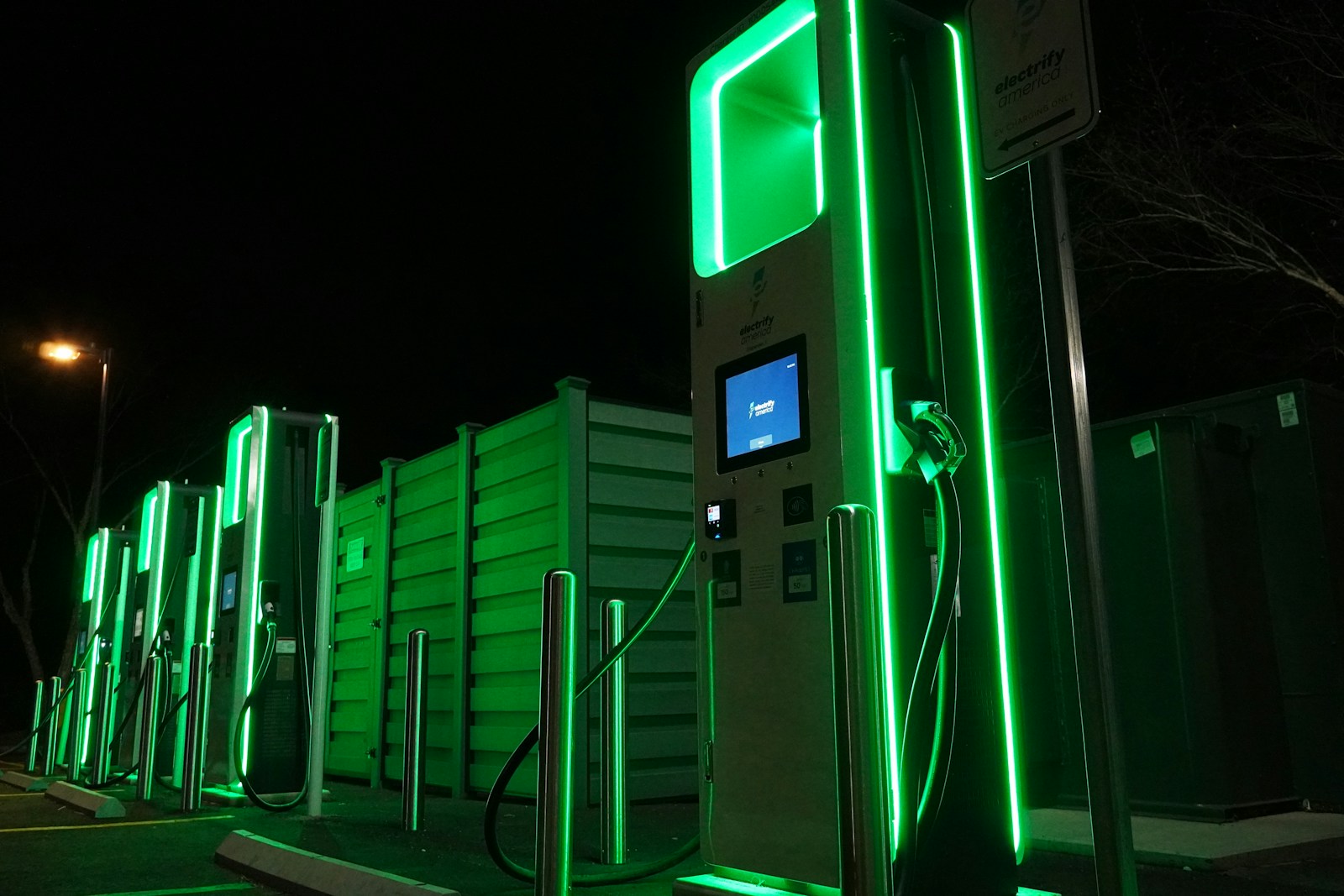
The rise of electric vehicles (EVs) is reshaping the landscape of gas stations across the United States, with many industry experts predicting a significant decline in traditional fuel sales over the next decade. As more consumers opt for electric models, such as the 2023 Tesla Model 3 or the 2022 Ford Mustang Mach-E, the implications for gas stations and their operations become increasingly critical. This shift not only affects the automotive industry but also has profound repercussions for fuel retailers and the economy at large.
Declining Gasoline Demand
According to the U.S. Department of Energy, electric vehicle sales accounted for nearly 8% of all new car sales in 2022, a significant increase from just 2% in 2020. This trend is expected to accelerate, with projections estimating that EVs could represent 30% of all new car sales by 2030. As a result, gasoline consumption is forecasted to decline by 10% over the next five years, putting immense pressure on gas stations that have traditionally relied on fuel sales for their revenue.
Infrastructure Challenges
The shift towards electric vehicles also raises questions about the infrastructure needed to support this new mode of transportation. Currently, the U.S. has over 145,000 gas stations, but the number of public EV charging stations is only about 60,000, according to the Alternative Fuels Data Center. Without significant investment and expansion in charging infrastructure, the transition to electric vehicles may be hampered, leaving consumers hesitant to make the switch.
Gas Stations Adapt or Die
In response to these market changes, many gas stations are beginning to adapt their business models. Some are investing in EV charging stations to diversify their offerings. For example, ExxonMobil has committed $100 million to install fast-charging stations at its locations, aiming to appeal to a growing number of electric vehicle owners. This strategy allows gas stations to maintain customer traffic and generate revenue, even as traditional fuel sales decline.
Consumer Behavior and Expectations
Consumer preferences are also evolving. A recent survey by Deloitte found that 70% of respondents are open to switching to electric vehicles, primarily due to concerns about climate change and the rising costs of gasoline, which averaged $3.50 per gallon nationwide in early 2023. This growing acceptance of EVs underscores the urgency for gas stations to adapt to new consumer expectations, including the availability of fast and convenient charging options.
Environmental Considerations
The transition to electric vehicles is not only a matter of consumer preference but also an environmental imperative. According to a study by the International Energy Agency, transitioning to EVs could reduce global CO2 emissions by up to 1.5 gigatons annually. As gas stations move toward incorporating EV charging options, they also contribute to sustainability efforts aimed at reducing the carbon footprint of transportation.
The Role of Policy and Investment
Government policy plays a crucial role in shaping the future of gas stations in an EV world. The Biden administration has proposed incentives to promote electric vehicle adoption, including tax credits for consumers and funding for charging infrastructure. Additionally, states like California have set ambitious goals to phase out the sale of new gasoline-powered vehicles by 2035, further driving the need for gas stations to adapt their business models.
Challenges Ahead
Despite the opportunities for adaptation, gas stations face several challenges in the transition to electric vehicle support. The initial investment in charging infrastructure can be substantial, with costs for installing fast chargers ranging from $10,000 to $150,000 per station. Moreover, the return on investment may not be immediate, as EV charging typically generates lower margins compared to gasoline sales.
Conclusion
The future of gas stations in an electric vehicle-dominated world is uncertain but inevitable. As consumer preferences shift and regulatory pressures mount, gas stations must evolve or risk obsolescence. The next decade will be critical in determining how these businesses adapt to the changing landscape, impacting everything from local economies to global carbon emissions.
As the automotive industry moves toward a greener future, consumers and gas station owners alike must stay informed about these developments. If you own a gas station or are considering purchasing an EV, now is the time to act—whether it’s exploring charging infrastructure options or understanding the implications of EV adoption on your business. The future is here, and it’s electric.