

The world of motorsport has been significantly shaped by innovative vehicles that pushed boundaries and redefined performance. From the early days of racing to modern Formula 1 cars, certain models have left an indelible mark, influencing design, technology, and competitive strategies. Understanding these influential cars is essential for fans and professionals alike, as they provide insight into the evolution of racing.
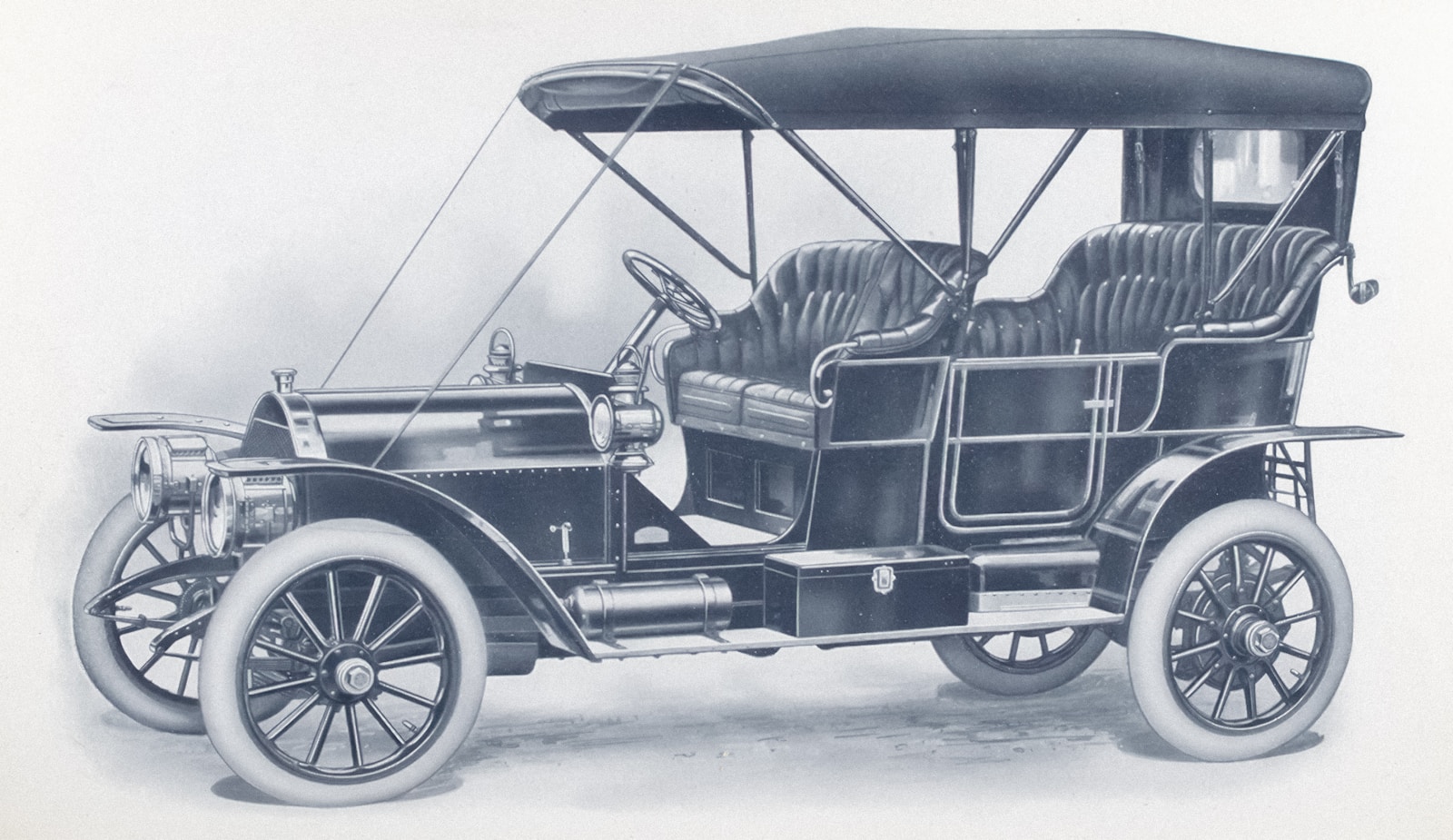
1. Ford Model T (1908)
The Ford Model T revolutionized not only the automotive industry but also the world of racing. With its affordable price tag of $850 at launch, it democratized car ownership and set the stage for grassroots racing. The early 1900s saw countless enthusiasts racing modified versions of the Model T, establishing the foundation for amateur racing events that continue today.
2. Mercedes-Benz W125 (1937)
In the late 1930s, the Mercedes-Benz W125 emerged as a formidable contender in Grand Prix racing. With a supercharged engine capable of producing 600 horsepower, it was one of the fastest cars of its time. The W125 set multiple speed records, including a remarkable 432 km/h (268 mph), showcasing the potential of aerodynamics and engineering in motorsport.
3. Ferrari 250 GTO (1962)
Considered one of the most iconic sports cars, the Ferrari 250 GTO was not only a triumph in design but also a dominant force on the racetrack. With only 39 units produced, it became a symbol of exclusivity and performance. The GTO’s success in endurance racing, including the 1962 Le Mans, solidified Ferrari’s reputation and influenced future sports car designs.
4. Porsche 917 (1969)
The Porsche 917 changed the landscape of endurance racing with its groundbreaking design and engineering. Winning the 1970 and 1971 Le Mans 24 Hours, the 917 introduced aerodynamic features that would become standard in future racing cars. Its 4.5-liter flat-12 engine allowed speeds exceeding 240 mph, setting new benchmarks for performance and reliability.
5. McLaren MP4/4 (1988)
The McLaren MP4/4 is often hailed as one of the most successful Formula 1 cars in history, winning 15 of 16 races in the 1988 season. Driven by legends Ayrton Senna and Alain Prost, its turbocharged Honda engine produced around 1,000 horsepower. The MP4/4’s dominance prompted changes in regulations, illustrating how a single car can influence an entire sport.
6. Audi Quattro (1980)
The introduction of the Audi Quattro in the early 1980s transformed rally racing with its pioneering all-wheel-drive technology. This feature provided unmatched traction and stability, allowing drivers to tackle challenging terrains with ease. The Quattro dominated World Rally Championship events, securing Audi’s place in racing history and influencing future rally car designs.
7. Toyota Prius (1997)
While not a traditional racing car, the Toyota Prius introduced hybrid technology that would eventually impact motorsport. Its debut in the late 1990s coincided with growing environmental concerns. The Prius’s success in the consumer market led to increased interest in hybrid racing vehicles, culminating in the development of hybrid prototypes like the Toyota TS050 Hybrid, which excelled in endurance races.
8. Bugatti Veyron (2005)
The Bugatti Veyron redefined speed and luxury, becoming the fastest production car with a top speed of 267 mph. Its engineering feats, including an 8.0-liter quad-turbocharged W16 engine, showcased the possibilities of high-performance automobiles. The Veyron’s influence extends beyond speed, as it redefined expectations for luxury vehicles in racing contexts.
9. Tesla Model S (2012)
The Tesla Model S has made a significant impact not only in the electric vehicle market but also in racing. With its instant torque and advanced battery technology, the Model S has challenged traditional performance metrics. It has inspired electric racing series like Formula E, which has gained popularity and visibility in the motorsport world, showcasing the potential of sustainable racing.
10. Formula E Cars (2014-Present)
As the first fully electric racing series, Formula E has changed the perception of motorsport in the age of climate change. The series has grown rapidly since its inception, attracting major manufacturers like Audi, BMW, and Mercedes-Benz. With races held on city streets around the world,