

Throughout automotive history, numerous vehicles have made significant impacts on technology and design, often surprising industry experts and consumers alike. This article highlights twelve cars that showcased remarkable innovation, altering the landscape of the automotive world and influencing future models. From groundbreaking safety features to eco-friendly advancements, these cars have played a crucial role in shaping modern transportation.
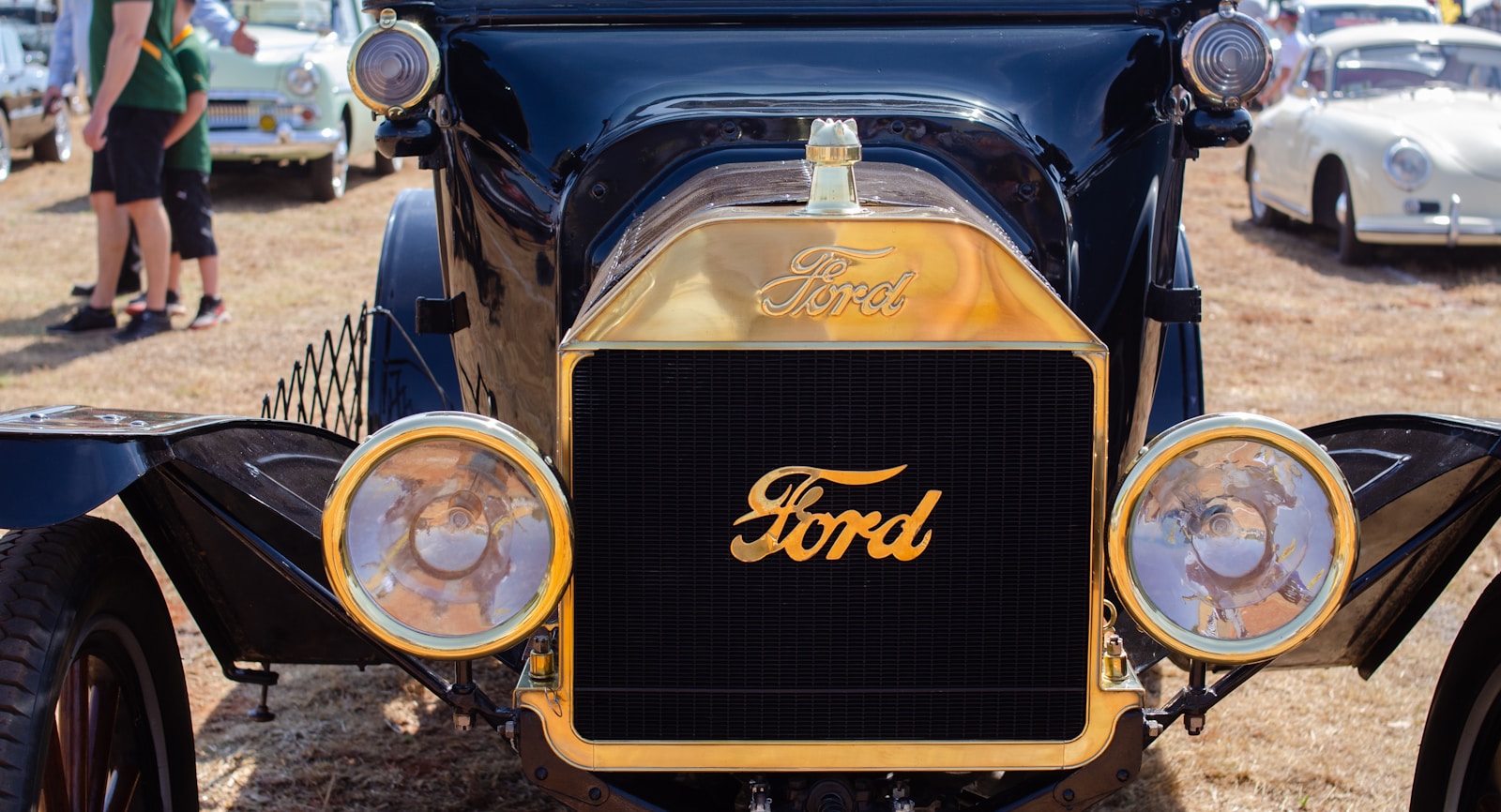
1. 1927 Ford Model A
The Ford Model A marked a pivotal moment in automotive history, introducing features that would become standard in later vehicles. With its electric starter, which eliminated the need for hand-cranking, the Model A was user-friendly and accessible. It sold over 4.3 million units between 1927 and 1931, making it one of the most popular cars of its time.
2. 1955 Mercedes-Benz 300SL
Recognized for its innovative gullwing doors, the 1955 Mercedes-Benz 300SL was a game-changer in sports car design. The vehicle featured a lightweight aluminum body and direct fuel injection, which significantly boosted performance. This combination allowed the 300SL to achieve a top speed of 140 mph, setting a benchmark for luxury sports cars.
3. 1966 Volvo 140 Series
The Volvo 140 Series introduced several safety innovations, including the three-point seatbelt designed by Nils Bohlin, which is now standard in all vehicles. This feature dramatically reduced fatalities and injuries in accidents, saving an estimated one million lives since its introduction. Volvo’s commitment to safety revolutionized industry standards and consumer expectations.
4. 1973 BMW 2002 Turbo
The BMW 2002 Turbo, launched in 1973, was the first turbocharged production car in Europe, setting a precedent for future performance vehicles. It featured a 2.0-liter engine that delivered an impressive 170 horsepower, a remarkable figure for its time. This model not only enhanced driving dynamics but also sparked interest in turbocharging technology among other manufacturers.
5. 1981 DeLorean DMC-12
Known for its distinctive stainless-steel body and gullwing doors, the DeLorean DMC-12 became an icon of 1980s pop culture, particularly due to its role in the “Back to the Future” films. However, it also introduced innovative features like a fiberglass underbody and a rear-engine layout. Despite its limited production run of around 9,000 units, its design and technology continue to influence modern sports cars.
6. 1997 Toyota Prius
The 1997 Toyota Prius was the world’s first mass-produced hybrid vehicle, combining a gasoline engine with an electric motor for improved fuel efficiency. It achieved an EPA rating of 52 mpg in the city and 48 mpg on the highway, making it a pioneer in eco-friendly transportation. The Prius has since sold over 6 million units globally, demonstrating the growing consumer demand for sustainable vehicles.
7. 2004 Tesla Roadster
The Tesla Roadster, introduced in 2004, was the first highway-legal electric vehicle to use lithium-ion battery cells. This model could accelerate from 0 to 60 mph in just 3.7 seconds, proving that electric cars could compete with traditional sports cars in performance. The Roadster’s success helped pave the way for Tesla’s dominance in the electric vehicle market.
8. 2008 Ford F-150
The 2008 Ford F-150 introduced a variety of innovative features, including a fully boxed frame for improved rigidity and safety. This model also offered an advanced SYNC infotainment system, allowing drivers to control their mobile devices hands-free. With over 900,000 units sold in 2008 alone, the F-150 solidified its place as a leader in the pickup truck segment.
9. 2010 Chevrolet Volt
The Chevrolet Volt was a groundbreaking plug-in hybrid vehicle, offering drivers the ability to travel up to 35 miles on electric power alone before switching to gasoline. Its innovative dual-powertrain system allowed for greater flexibility and efficiency, while achieving an EPA rating of 93 MPGe. The Volt’s introduction marked a significant step toward mainstream acceptance of hybrid technology.
10. 2016 Honda Clarity
The 2016 Honda Clarity was one of the first hydrogen fuel cell vehicles available for commercial sale. With a range of approximately 366 miles on a single tank, it showcased Honda’s commitment to developing zero-emission technologies. Although hydrogen infrastructure is still in