

The automotive industry has seen numerous car models come and go, but some have been prematurely canceled, leaving enthusiasts and consumers disappointed. These cars often showcased innovative designs, advanced technology, or unique features that could have changed the market landscape. This article explores ten such vehicles that were cut from production, highlighting what made them special and the impact of their cancellation.
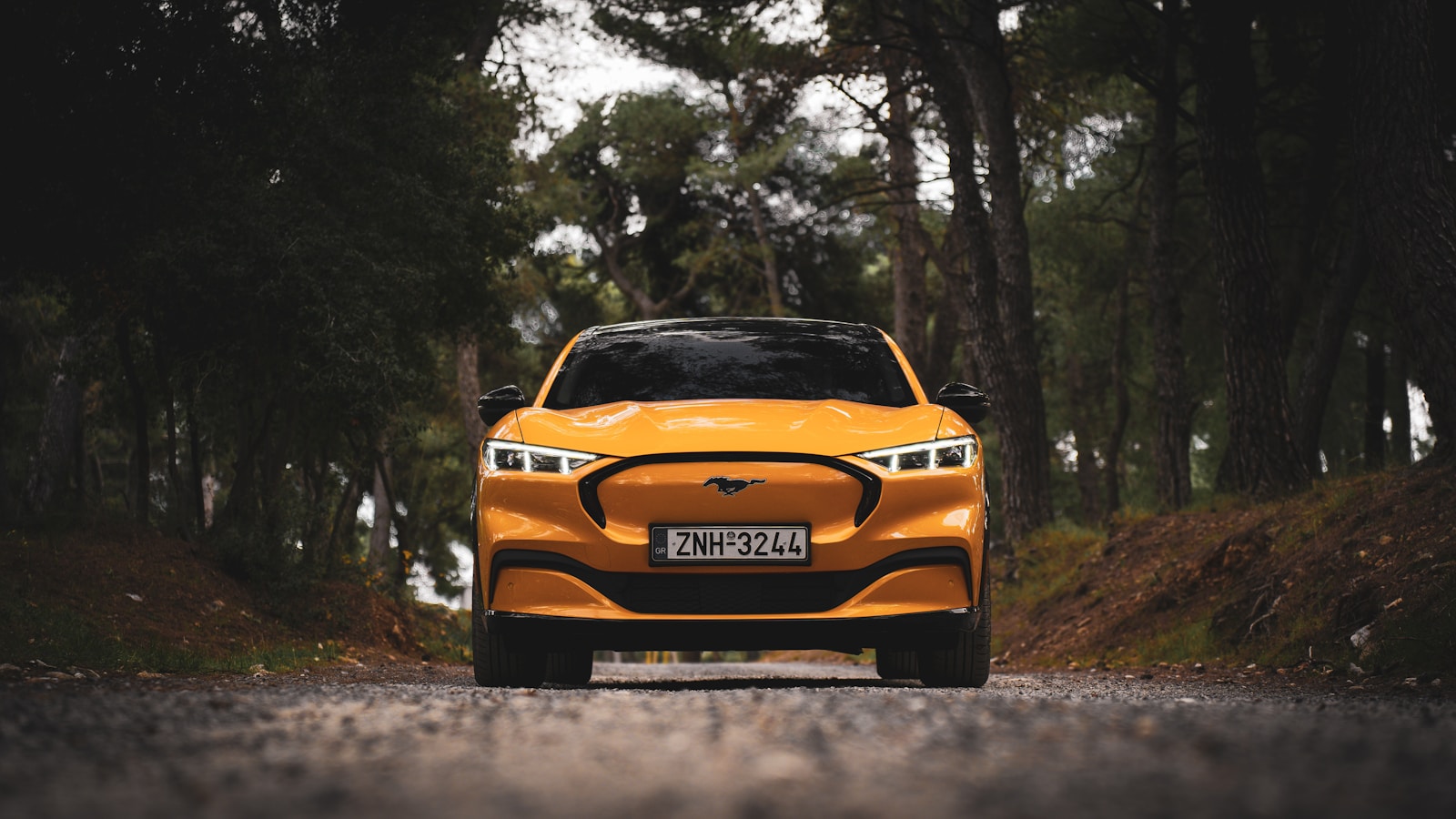
1. Ford Mustang Mach-E (2021)
While the Ford Mustang Mach-E is still produced, its initial rollout faced a tumultuous journey that raised questions about its longevity. Ford had planned to expand its electric vehicle lineup significantly, but certain versions of the Mach-E were canceled after just a year due to supply chain issues and changing consumer preferences. The 2021 model garnered attention for its performance and range, making its abrupt changes surprising for fans.
2. Toyota FJ Cruiser (2006–2014)
The Toyota FJ Cruiser was introduced as a retro-styled SUV that paid homage to the classic Land Cruiser. Despite strong sales in its early years, the production ceased in 2014 due to declining interest in traditional SUVs. Its rugged design and off-road capabilities earned it a loyal fan base, leaving many to lament its cancellation, especially as the SUV market continues to grow.
3. Honda S2000 (1999–2009)
The Honda S2000 was a beloved roadster that combined a high-revving engine with exceptional handling. Despite a decade-long production run, its discontinuation in 2009 shocked many enthusiasts. The car’s lightweight design and sporty performance made it a favorite among driving purists, and its absence is still felt in the sports car community today.
4. Pontiac Solstice (2006–2009)
The Pontiac Solstice was part of General Motors’ efforts to revitalize the Pontiac brand with stylish, affordable sports cars. However, production ended in 2009 due to the financial struggles of GM during the recession. The Solstice’s unique design and performance capabilities were well-received, but its cancellation marked the end of a promising era for Pontiac.
5. Nissan 370Z (2009–2020)
The Nissan 370Z was a sports car that blended modern features with classic Z-car heritage. Although it remained in production for over a decade, it was ultimately discontinued in 2020 in favor of a new model. Many fans were disappointed, as the 370Z was known for its affordability and performance. The car’s cancellation emphasized the ongoing evolution of the sports car market.
6. Volkswagen Microbus (Concept 2017)
Volkswagen’s Microbus concept, unveiled at the 2017 Detroit Auto Show, generated significant excitement for a modern take on the iconic van. However, plans for production were shelved as Volkswagen shifted its focus to electric SUVs. The Microbus had the potential to appeal to both nostalgic consumers and eco-conscious drivers, making its cancellation a missed opportunity for the brand.
7. Saab 9-3 (2002–2011)
The Saab 9-3 was a compact car that showcased the Swedish manufacturer’s distinctive design and engineering. Production ended in 2011 amid financial difficulties for Saab, which left a loyal customer base without a successor. The 9-3 was known for its turbocharged performance and unique features, making it a standout in the compact segment, and its absence continues to be felt by enthusiasts.
8. Dodge Viper (1992–2017)
The Dodge Viper was an American icon known for its raw power and striking design. After a 25-year production run, the Viper was discontinued in 2017 due to declining sales and stricter emissions regulations. The car’s cancellation marked the end of an era for American muscle cars, leaving many fans yearning for its return.
9. Chrysler 200 (2010–2017)
The Chrysler 200 was meant to revive the brand’s presence in the mid-size sedan market. Despite a redesign in 2015, poor sales led to its discontinuation in 2017. With the market shifting towards SUVs and crossovers, the 200’s cancellation highlights the changing preferences of American consumers, which affected many sedans during this period.
10. Acura NSX (2016–2022)
The second-generation Acura NSX was a hybrid supercar that aimed to blend performance with eco-friendliness. Although it received critical acclaim, production ended in 2022 due to high development costs and fierce