

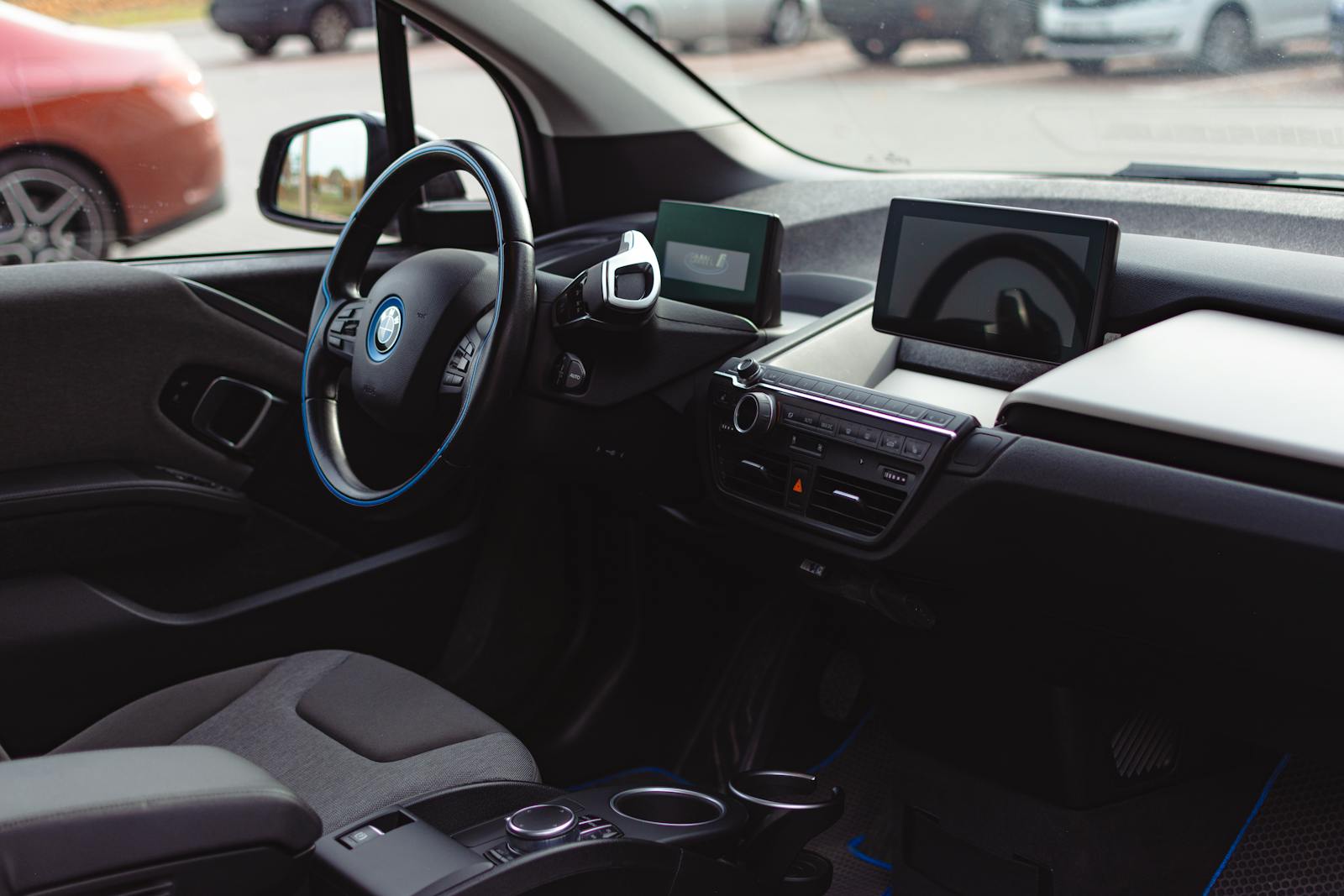
As automobile manufacturers ramp up efforts to enhance vehicle safety, new technologies are set to redefine the landscape of car safety features over the next decade. These innovations aim to reduce accidents and save lives, impacting millions of drivers worldwide. With the National Highway Traffic Safety Administration (NHTSA) reporting that over 38,000 people died in motor vehicle crashes in 2020 alone, the urgency for advanced safety systems has never been greater.
Current Innovations in Car Safety
Car manufacturers are increasingly integrating advanced technologies into their vehicles, making safety a top priority. Features such as Automatic Emergency Braking (AEB), Lane Keeping Assist, and Blind Spot Monitoring have become standard in many new models, including the 2022 Toyota Camry and the 2021 Honda Accord. According to a recent study by the Insurance Institute for Highway Safety (IIHS), vehicles equipped with AEB can reduce rear-end crashes by up to 50%.
In addition to these features, automakers are investing significantly in driver-assist systems. For instance, Tesla’s Autopilot and Ford’s Co-Pilot360 provide semi-autonomous driving capabilities, allowing vehicles to navigate certain driving conditions with minimal human intervention. These systems not only enhance safety but also pave the way for fully autonomous vehicles in the near future.
Emerging Technologies on the Horizon
Looking ahead, several promising technologies are set to transform car safety features further. One of the most anticipated innovations is Vehicle-to-Everything (V2X) communication. This technology enables vehicles to communicate with each other and with infrastructure, such as traffic lights and road signs. Experts predict that V2X could significantly reduce accidents caused by human error, which accounts for approximately 94% of all crashes, according to the NHTSA.
Another emerging technology is the integration of artificial intelligence (AI) in safety systems. AI can analyze real-time data from various sensors to predict potential hazards and react faster than a human driver. For instance, the 2023 Mercedes-Benz EQS is expected to feature an AI-driven safety assistant that learns from the driver’s habits and adjusts accordingly to enhance safety.
Regulatory Changes and Industry Standards
As technology advances, regulatory bodies are also stepping up to ensure that safety features are effective and reliable. The NHTSA has proposed new regulations that would require all new vehicles to be equipped with advanced safety technologies by 2025. This includes mandatory AEB systems and improved crash test standards to ensure vehicles can better protect occupants during collisions.
Additionally, the IIHS has announced plans to update its safety ratings to reflect the growing importance of technology in accident prevention. The organization will begin incorporating evaluations of automated driving features into its testing protocols, ensuring that consumers have access to comprehensive safety information when purchasing a vehicle.
Consumer Awareness and Adoption
With the increasing focus on advanced safety features, consumer awareness is critical. A 2021 survey by J.D. Power found that 73% of car buyers consider safety features as one of the most important factors when purchasing a new vehicle. However, many consumers remain unaware of the full range of available technologies, highlighting the need for manufacturers to educate buyers about the benefits of these systems.
Moreover, as technology becomes more sophisticated, there is a growing concern about cybersecurity threats to vehicle safety systems. Experts warn that as vehicles become more connected, they are also more vulnerable to hacking. Therefore, manufacturers must prioritize robust security measures to protect both drivers and their vehicles from potential cyber-attacks.
The Road Ahead
The future of car safety features is undoubtedly promising, with innovations that have the potential to save lives and reduce the number of road accidents. As regulations evolve and consumer demands shift, automakers must stay at the forefront of technology to meet safety expectations. The industry is expected to invest around $1.5 billion annually in safety technologies by 2025, according to a report by McKinsey & Company.
In conclusion, while the advancements in car safety features are encouraging, it is essential for consumers to remain informed and proactive about vehicle safety technology. The upcoming changes in regulations and standards will play a significant role in shaping the future of automotive safety. Drivers are urged to stay updated on the latest safety features and consider them when purchasing their next vehicle.
For those in the market for a new car, now is the time to prioritize safety technology in your decision-making process. With more information available than ever, consumers can make informed choices that not only protect themselves but also contribute to a safer driving environment for everyone.