

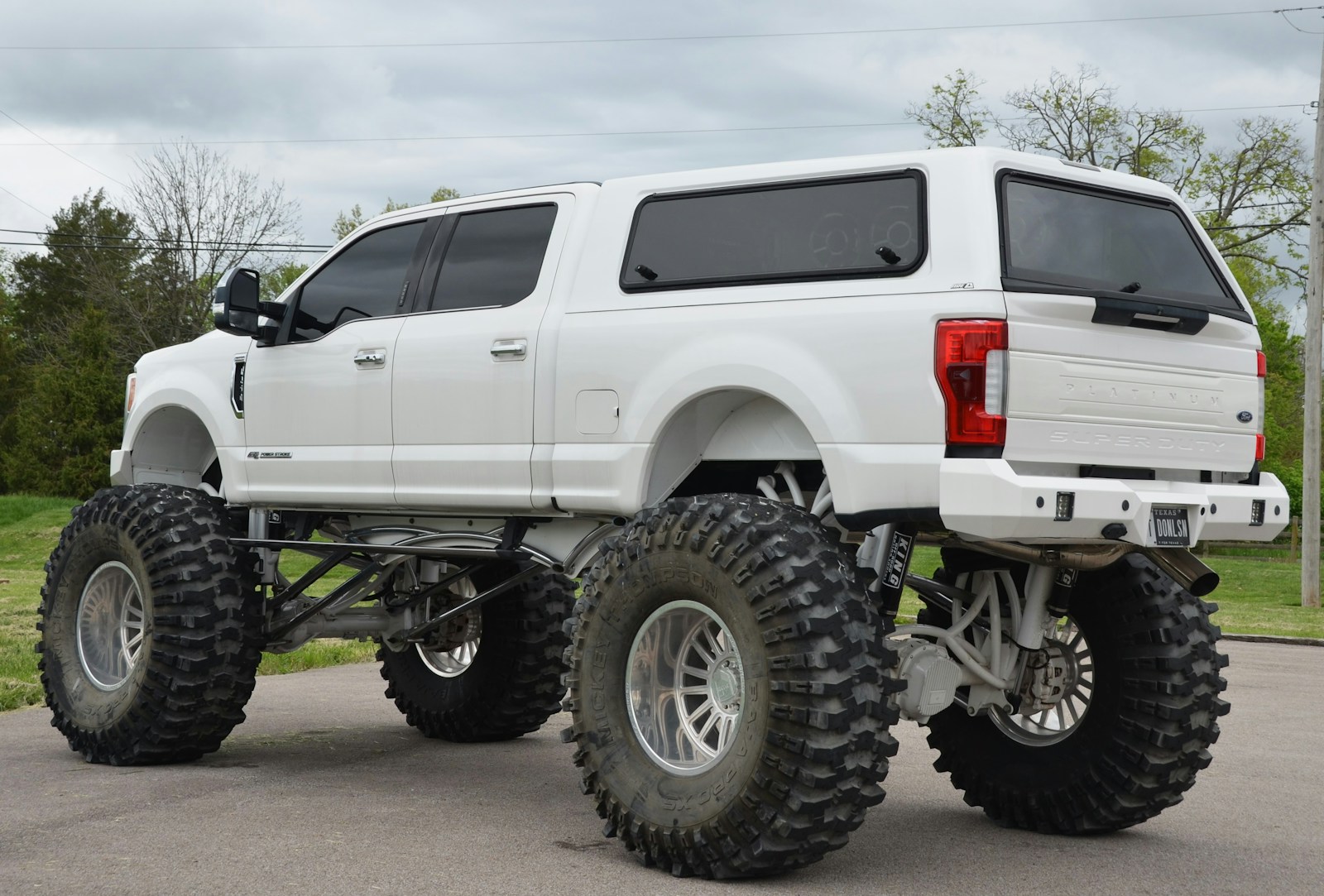
Pickup trucks are experiencing a significant increase in size and weight each year, with manufacturers like Ford, Chevrolet, and Ram continuously introducing larger models to meet consumer demand. This trend affects not only auto enthusiasts but also everyday drivers, as the growing dimensions of these vehicles have implications for safety, fuel efficiency, and urban infrastructure. Understanding the reasons behind this phenomenon is crucial for consumers and policymakers alike.
Market Demand Drives Size Growth
The primary factor behind the increasing size of pickup trucks is consumer demand. According to data from the Automotive News Data Center, full-size pickups accounted for 19% of total U.S. vehicle sales in 2022, with the Ford F-Series leading the pack with over 640,000 units sold. As buyers increasingly favor larger trucks for both personal and commercial use, automakers respond by scaling up their offerings to capture this lucrative market segment.
These larger models are often marketed as multifunctional vehicles capable of handling everything from daily commutes to heavy-duty work tasks. For instance, the 2022 Chevrolet Silverado 1500 boasts an expanded cargo bed and cabin space, appealing to families and contractors alike. This versatility has solidified the pickup truck’s status as a leading choice among American consumers.
Technological Advancements and Safety Features
Advancements in automotive technology also play a significant role in the trend towards larger pickup trucks. Manufacturers are integrating more safety features and technology that require additional space. For example, the 2023 Ram 1500 includes advanced driver-assistance systems like adaptive cruise control and lane-keeping assistance, which necessitate larger hardware components.
Furthermore, larger vehicles generally offer better crash protection, which resonates with safety-conscious consumers. The Insurance Institute for Highway Safety (IIHS) has noted that larger trucks tend to perform better in crash tests compared to smaller vehicles, contributing to their appeal. As a result, automakers prioritize size to enhance safety ratings and meet consumer expectations.
Consumer Preferences Shift Toward Utility
Today’s consumers are increasingly looking for vehicles that provide utility beyond conventional transportation. The trend toward larger pickup trucks is also influenced by lifestyle changes, with many opting for vehicles that accommodate outdoor activities, towing, and hauling. The 2022 Ford F-150, for example, offers an available 3.5-liter EcoBoost V6 engine that can tow up to 14,000 pounds, catering to those who need robust performance for recreational or work-related activities.
This shift towards utility has led to a rise in the popularity of models like the Ford F-250 and Ram 2500, which are designed for heavy-duty tasks. As buyers prioritize functionality, automakers are responding with larger, more capable trucks that fulfill these needs.
Regulatory Factors and Fuel Economy
While larger trucks may seem counterintuitive in an age of increasing fuel efficiency awareness, regulatory factors have allowed for some leniency in emissions standards for larger vehicles. The Environmental Protection Agency (EPA) has established different requirements for light-duty trucks compared to passenger cars. This has encouraged manufacturers to produce larger trucks that can meet consumer demands without facing stringent fuel economy regulations.
Despite the apparent contradiction, automakers are investing in technologies to improve the fuel efficiency of larger models. The 2023 Chevrolet Silverado 1500, for instance, offers a turbocharged engine option that provides better fuel economy without sacrificing power. This balance between size and fuel efficiency continues to appeal to consumers who desire both capability and economy.
The Impact on Urban Infrastructure
The growing size of pickup trucks poses challenges for urban infrastructure, as larger vehicles may not be well-suited for congested city environments. Narrow streets and limited parking can become problematic as more oversized trucks hit the roads. According to a study by the National Highway Traffic Safety Administration (NHTSA), larger vehicles also have a higher likelihood of causing severe injuries in collisions with smaller cars, raising safety concerns for pedestrians and cyclists.
As cities adapt to these changes, urban planners may need to reconsider zoning laws and parking regulations to accommodate the increasing size of vehicles. This shift could lead to broader discussions about sustainable transportation options and the future of urban mobility.
Conclusion: A Growing Trend with Lasting Implications
The trend of growing pickup truck sizes is driven by a combination of consumer demand, technological advancements, and regulatory factors. As manufacturers continue to produce larger and more capable models, consumers must weigh the benefits against potential drawbacks, including safety concerns and urban infrastructure challenges. With the pickup truck market showing no signs of slowing down, stakeholders must remain vigilant about the implications of this growing trend.
As a consumer,