

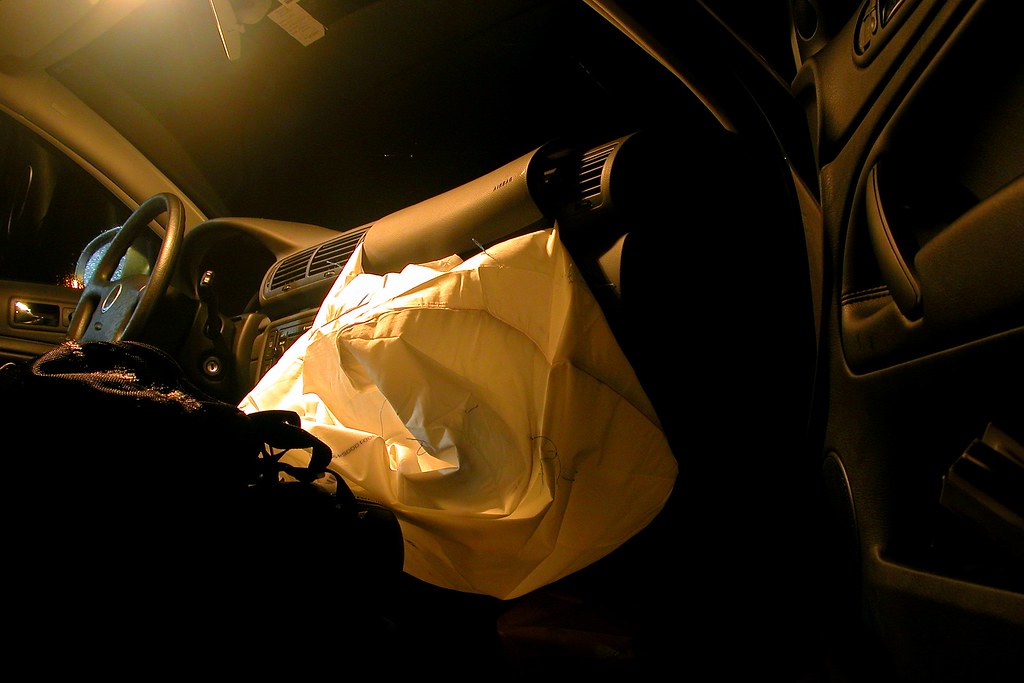
The Takata airbag crisis, which has impacted approximately 67 million vehicles in the United States, continues to pose a significant safety risk to drivers and passengers due to defective inflators that can explode and send metal shrapnel flying during a crash. Despite years of recalls, millions of vehicles remain unrepaired, leaving owners unaware of the potential danger lurking in their cars. This crisis first emerged in 2013 and has since resulted in multiple fatalities and injuries, highlighting the urgent need for vehicle owners to take action.
The Scope of the Problem
The Takata airbag issue is one of the largest automotive recalls in history. It affects numerous car manufacturers, including Honda, Toyota, Ford, and BMW, with models ranging from the 2000 Honda Civic to the 2016 Ford Ranger. As of October 2023, about 1.7 million vehicles still have unrepaired Takata airbags, according to the National Highway Traffic Safety Administration (NHTSA). These faulty inflators can degrade over time, especially in humid conditions, increasing the risk of malfunction.
Data from the NHTSA indicates that at least 29 deaths and over 400 injuries have been linked to the defective airbags. The crisis has led to a series of federal investigations and lawsuits, further complicating the situation for affected vehicle owners. With the ongoing risk, understanding how to check if your vehicle is among those needing repairs is crucial.
How to Check if Your Vehicle is Affected
Owners can easily determine if their vehicle is part of the Takata recall by visiting the NHTSA’s website. Here, they can enter their Vehicle Identification Number (VIN), which is a 17-character code unique to each vehicle. This will provide information about whether the vehicle has been recalled and if any repairs have been completed. Owners can also check with their car manufacturer directly for recall updates.
For those unable to access the internet, contacting the dealer where the car was purchased can also yield information regarding the recall status. The NHTSA recommends that all vehicle owners take this step, especially if their vehicle is from a model year between 2000 and 2016, as these years are primarily affected by the Takata airbag recall.
Why Repairs are Still Needed
Despite ongoing efforts to notify vehicle owners, repair rates have stagnated. Many owners may not be aware of the recall, while others may have delayed repairs due to concerns about the availability of parts or the inconvenience of bringing their vehicle to a dealership. Some repairs have been complicated by the COVID-19 pandemic, which disrupted supply chains and service capacities across the automotive industry.
Moreover, certain vehicle models have experienced difficulties in obtaining replacement parts, causing frustration and hesitation among owners. Manufacturers are working to address these issues, but the backlog has left many vehicles still equipped with unsafe airbags. The NHTSA continues to encourage vehicle owners to prioritize these repairs for their safety and the safety of their passengers.
The Importance of Timely Repairs
Delaying repairs can have dire consequences. In a collision, a malfunctioning airbag can result in severe injuries or fatalities that could otherwise be avoided with properly functioning safety equipment. The risk is particularly acute for older vehicles, where the likelihood of airbag failure increases as the vehicle ages, and environmental factors contribute to the degradation of inflator components.
Additionally, some states have enacted laws that require dealers to complete recalls before vehicles can be sold or registered, further emphasizing the importance of taking action. Vehicle owners should also be aware that repairs are often free, as manufacturers are required to cover the costs associated with recall work.
Next Steps for Vehicle Owners
If you suspect your vehicle may be affected by the Takata airbag recall, the first step is to check your VIN through the NHTSA’s website or your vehicle manufacturer. If your vehicle is recalled, schedule an appointment with an authorized dealer as soon as possible to have the airbag replaced or repaired. Many dealers are offering incentives to encourage prompt repairs, including loaner vehicles or discounts on services.
In addition, sharing information about the Takata airbag recall with family and friends can help raise awareness and ensure more vehicles are accounted for in the ongoing repair efforts. Despite the passage of time since the initial recall announcement, the need for vigilance and proactive measures remains more critical than ever.
Call to Action
Don’t wait until it’s too late. If you haven’t checked your vehicle’s recall status recently, now is the time to do so. Visit the NHTSA website today,