

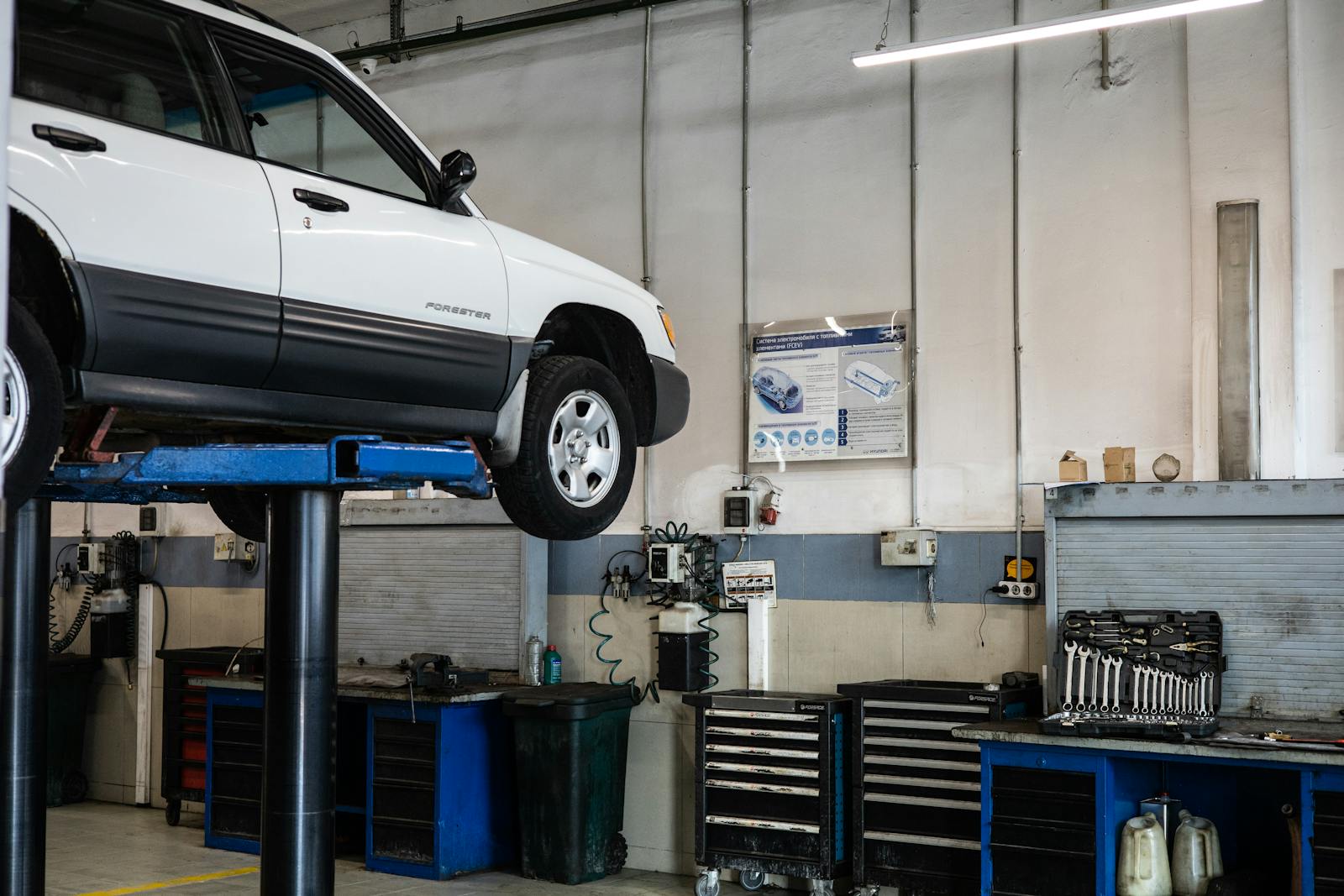
Failing to respond to a recall notice can significantly jeopardize your safety and potentially lead to costly repairs. With millions of vehicles and products recalled each year, understanding the implications of ignoring these notices is crucial for consumers. This article outlines what happens if you disregard a recall notice, including timelines, free repair options, and the associated safety risks.
Understanding Recalls and Their Importance
A recall occurs when a manufacturer identifies a defect in a product that poses a safety risk to consumers. In 2022 alone, the National Highway Traffic Safety Administration (NHTSA) reported over 100 vehicle recalls affecting approximately 15 million cars and trucks. These recalls are not just limited to vehicles; they encompass various consumer goods, including appliances and children’s toys.
When a recall is issued, manufacturers typically send out notices to affected consumers, outlining the specific issues and providing instructions on how to proceed. Ignoring these notices can have serious implications, including safety hazards and financial repercussions.
Timelines and Procedures for Recalls
Upon receiving a recall notice, consumers should act promptly. Most manufacturers provide a timeline for when repairs or replacements will be available. For example, a recent recall of the 2020–2022 Ford F-150 due to a faulty rear-view camera prompted Ford to urge owners to bring their vehicles in for repairs within weeks of the notice. Manufacturers are legally obligated to provide free repairs, and they often set deadlines for when these services will be available.
Typically, consumers are given a grace period ranging from a few weeks to several months to address the recall. However, delays can lead to complications, especially if the defect is severe. For instance, ignoring a recall for a vehicle with faulty brakes could result in accidents, injuries, or even fatalities.
Free Repairs: What to Expect
One of the most critical benefits of responding to a recall notice is the provision of free repairs or replacements. Under the law, manufacturers must cover all costs associated with fixing the defect. This includes parts, labor, and any necessary adjustments. For example, a recall involving a defective airbag may require replacing the entire airbag system at no cost to the consumer.
Consumers can typically schedule an appointment with authorized dealerships or service centers to have the issue addressed. It is essential to keep a record of when the recall notice was received and when the repairs were completed, as this documentation can be crucial for future reference, such as when selling the vehicle.
Safety Risks of Ignoring a Recall
Ignoring a recall notice poses significant safety risks. Many recalls are issued because a product may cause harm or malfunction, which can lead to serious accidents. For instance, the 2018 Honda Accord was recalled due to a potential fuel leak, which could result in fires. Not addressing this recall could have dire consequences for drivers and passengers alike.
The risks are not limited to the immediate safety of the user. For example, ignoring a recall on a child’s car seat due to a harness failure can have long-term implications for a child’s safety in the event of an accident. In 2021, the Consumer Product Safety Commission (CPSC) reported that nearly 50% of recalled products were never returned or repaired, highlighting the dangers of negligence.
Legal Implications and Responsibilities
Consumers are not legally required to respond to recall notices; however, manufacturers can be held accountable for injuries that occur due to unaddressed defects. In many cases, if an incident occurs as a result of ignoring a recall, the manufacturer may not be liable for damages, leaving consumers responsible for medical bills and vehicle repairs. Additionally, some states have laws that may impose fines for not addressing safety recalls.
It is also important to note that ignoring a recall can affect the resale value of a vehicle. Potential buyers often check for outstanding recalls, and a history of unresolved issues may deter them from purchasing a vehicle or may reduce the price they are willing to pay.
How to Respond to a Recall Notice
If you receive a recall notice, the first step is to contact the manufacturer or visit their website for more information. Most manufacturers maintain a tool where you can input your vehicle identification number (VIN) to see if your vehicle is affected by any recalls. If you find that your product is involved, promptly schedule a repair appointment with an authorized service provider.
Moreover, it is advisable to keep your contact information up to date with manufacturers to ensure you receive timely notifications of any future recalls. For those who may have purchased a used vehicle,