

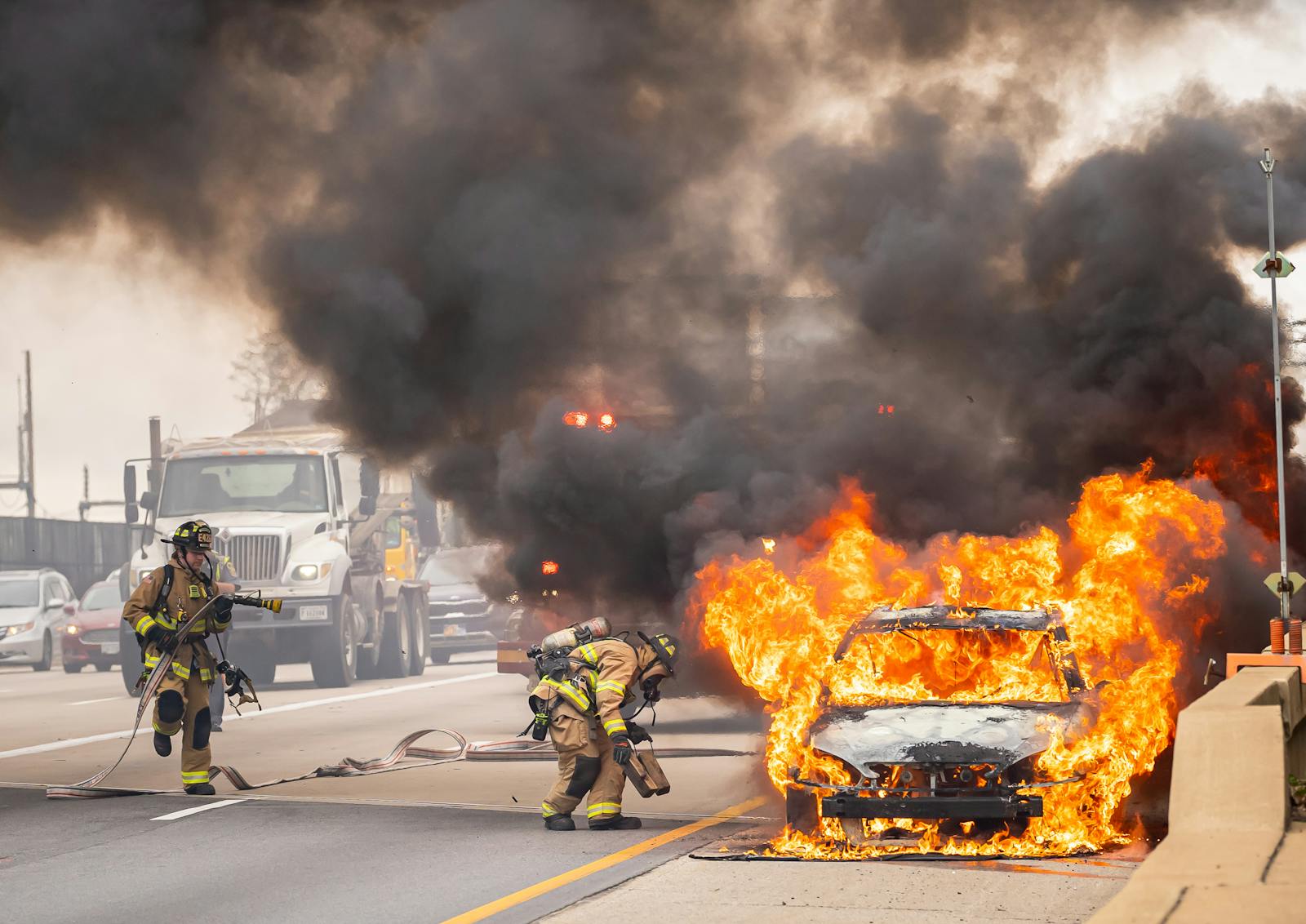
In 2025, concerns over electric vehicle (EV) battery fires have prompted significant recalls, affecting thousands of vehicles and raising questions about the safety of EV technology compared to traditional combustion engines. As automakers grapple with battery-related incidents, consumers are urged to stay informed about the risks associated with both electric and gasoline-powered vehicles.
The Scope of Recent Recalls
As of 2025, approximately 300,000 electric vehicles have been recalled due to battery fire risks. Major manufacturers, including Tesla and Ford, have faced scrutiny over incidents involving models like the 2021 Tesla Model 3 and the 2020 Ford Mustang Mach-E. These recalls have been prompted by reports of overheating batteries that could lead to fires, a concern that has gained more attention as sales of electric vehicles continue to rise, reaching nearly 20% of the total vehicle market in the U.S.
Comparison with Traditional Vehicle Fires
While the recall of EVs raises alarms, it is essential to compare these incidents with traditional vehicle fire risks. According to the National Fire Protection Association (NFPA), over 170,000 vehicle fires occurred in the U.S. in 2021 alone, with gasoline-powered vehicles accounting for the vast majority of these incidents. In contrast, the National Highway Traffic Safety Administration (NHTSA) reports that EV fires occur at a rate of approximately 0.03% of all electric vehicles sold, which is comparable to or lower than combustion engine vehicles when adjusted for the number of units on the road.
Understanding the Risks of Lithium-Ion Batteries
EVs primarily use lithium-ion batteries, which are susceptible to thermal runaway—a phenomenon where a battery cell overheats, potentially causing a fire. Factors contributing to this risk include manufacturing defects, physical damage, and extreme environmental conditions. In 2025, the NHTSA emphasized the importance of proper battery management systems and the need for rigorous testing to mitigate these risks.
Regulatory Actions and Industry Responses
In response to rising concerns, the NHTSA has implemented stricter guidelines for EV manufacturers regarding battery safety standards. The agency’s new regulations, effective in early 2025, require more comprehensive testing protocols before vehicles can be approved for sale. Additionally, automakers are investing heavily in research and development to create safer battery technologies, including solid-state batteries, which may offer lower risks of fire and greater energy efficiency.
Consumer Awareness and Safety Measures
With the rise in EV adoption, consumer awareness regarding battery safety is crucial. EV owners are encouraged to monitor their vehicles for any unusual signs, such as warning lights or swelling in battery packs. Furthermore, experts recommend that consumers stay updated on recalls and advisories issued by manufacturers and regulatory agencies. Websites like the NHTSA’s recall portal provide valuable information on vehicle safety and recalls.
Fire Risk Mitigation in EVs
Manufacturers are adopting various strategies to mitigate fire risks associated with EV batteries. These include implementing advanced cooling systems, better battery management software, and using fire-resistant materials in vehicle design. For instance, Tesla has introduced a new battery design for its 2023 models that includes enhanced cooling features aimed at preventing overheating.
The Bigger Picture: Environmental Impact and Consumer Choice
As the automotive industry shifts towards electrification, the environmental impact of vehicle fires must also be considered. While EVs are often touted for their lower emissions, the production and disposal of lithium-ion batteries pose environmental challenges. In 2025, experts stress the importance of recycling programs and sustainable practices to address these issues, as consumers weigh safety against environmental responsibility.
Conclusion: Stay Informed and Prepared
As electric vehicles become increasingly prevalent, the discussion surrounding their safety, especially concerning battery fires, is more critical than ever. With recalls affecting hundreds of thousands of vehicles, consumers must remain vigilant and informed about both EV and traditional vehicle risks. Understanding the realities of fire risks, regulatory changes, and advancements in technology can empower consumers to make safer choices. Stay updated, monitor your vehicle’s performance, and check for recalls regularly to ensure your safety on the road.