

A growing nostalgia for 1980s automobiles is prompting car enthusiasts and industry analysts to advocate for the revival of five forgotten models from that era. As the automotive market shifts towards electrification and modern designs, these classic cars, once icons of their time, could resonate with a new generation of drivers. Their comeback could not only enrich the diversity of available models but also tap into a market eager for unique vehicles with character.
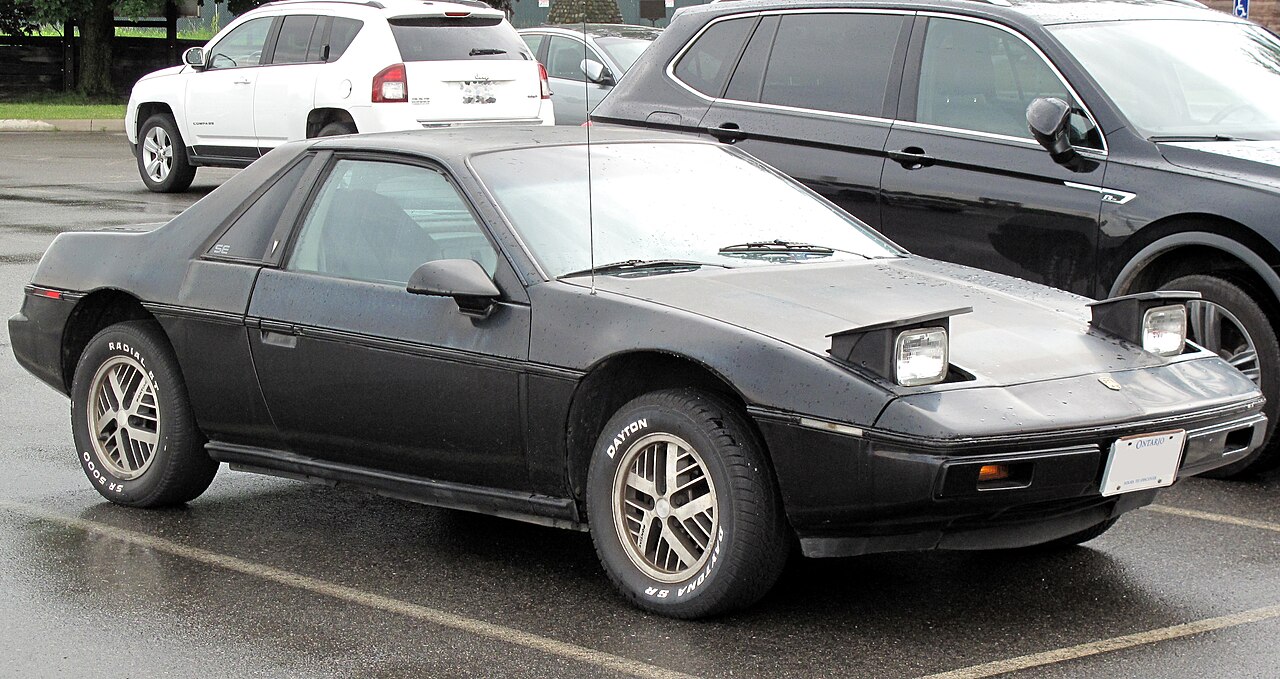
1. Pontiac Fiero (1984–1988)
The Pontiac Fiero was one of the first mass-produced mid-engine sports cars in America. Launched in 1984, the Fiero quickly gained popularity for its sleek design and sporty performance. Despite production ending in 1988, the Fiero has a dedicated fan base that appreciates its innovative engineering and distinctive styling. A revival could leverage modern electric vehicle technology while retaining the Fiero’s unique character, appealing to both nostalgia and eco-conscious consumers.
2. Dodge Omni / Plymouth Horizon (1978–1990)
Although introduced in the late 1970s, the Dodge Omni and Plymouth Horizon thrived during the 1980s as compact cars that offered practicality and affordability. With a starting price of around $6,000 back in 1985, these models gained traction among budget-conscious consumers. Their simple yet functional design made them popular choices for young drivers and families alike. A modern reimagining of the Omni and Horizon could focus on efficiency and technology, catering to the current demand for economical and reliable vehicles.
3. Ford Mustang SVO (1984–1986)
The Ford Mustang SVO was a high-performance version of the classic Mustang, featuring a turbocharged 2.3-liter four-cylinder engine that produced 200 horsepower. This model was built to compete with more expensive sports cars while maintaining the Mustang’s iconic appeal. Introduced in the mid-1980s, the SVO stood out for its unique design and driving dynamics. As consumer preferences shift towards performance hybrids and electric sports cars, a modern Mustang SVO could attract enthusiasts seeking speed without sacrificing efficiency.
4. Chevrolet El Camino (1982–1987)
The Chevrolet El Camino, a hybrid between a car and a pickup, was a popular choice among consumers who wanted versatility in their vehicles. While production ceased in 1987, the El Camino remains a beloved classic, often celebrated for its distinctive design and practicality. Its combination of utility and style made it a unique option in the automotive landscape. Reviving the El Camino could allow manufacturers to tap into the growing market for lifestyle vehicles that blend recreational and everyday use.
5. Isuzu Impulse (1983–1992)
The Isuzu Impulse was a small sports coupe that gained attention for its unique design and handling capabilities. Produced from 1983 until 1992, the Impulse was known for its turbocharged engine options and sporty performance. While it was overshadowed by more popular competitors, the Impulse cultivated a niche following. A contemporary version could capitalize on the renewed interest in compact sports cars, appealing to younger generations looking for a fun and agile driving experience.
Market Trends and Consumer Demand
The resurgence of interest in classic cars can be attributed to several factors, including a growing nostalgia among consumers who remember these models from their youth. According to a recent survey by the Specialty Equipment Market Association (SEMA), over 70% of millennials are interested in owning a classic car. This trend suggests that automakers could benefit from reintroducing models that resonate with the memories and experiences of this demographic. Combining retro designs with modern technology may provide a compelling offering in an increasingly competitive market.
Challenges to Revival
While the potential for a comeback is significant, several challenges must be addressed. First, automakers need to ensure that these models meet contemporary safety and emissions standards, which have evolved considerably since the 1980s. Additionally, manufacturers must assess production costs and market viability to ensure that any revival would be financially sustainable. Collaborations with specialty manufacturers or limited-run production could help mitigate some of these risks while still delivering the nostalgia factor to consumers.
Conclusion: A Call for Action
The call for a revival of these five forgotten cars from the ’80s highlights a unique opportunity for automakers to tap into a nostalgic market eager for diversity and character in their vehicles. As the automotive industry faces rapid changes and challenges, bringing back these classic models could not only reignite interest among enthusiasts but also provide a fresh avenue for innovation in vehicle design.