

In the ever-evolving automotive market, even Baby Boomers—often regarded as the most discerning consumers—have fallen victim to questionable marketing strategies. This phenomenon is significant because it underscores the power of advertising in shaping consumer behavior, irrespective of age. Here are five cars that not only captured the attention of the older generation but also highlighted the pitfalls of misleading marketing tactics.
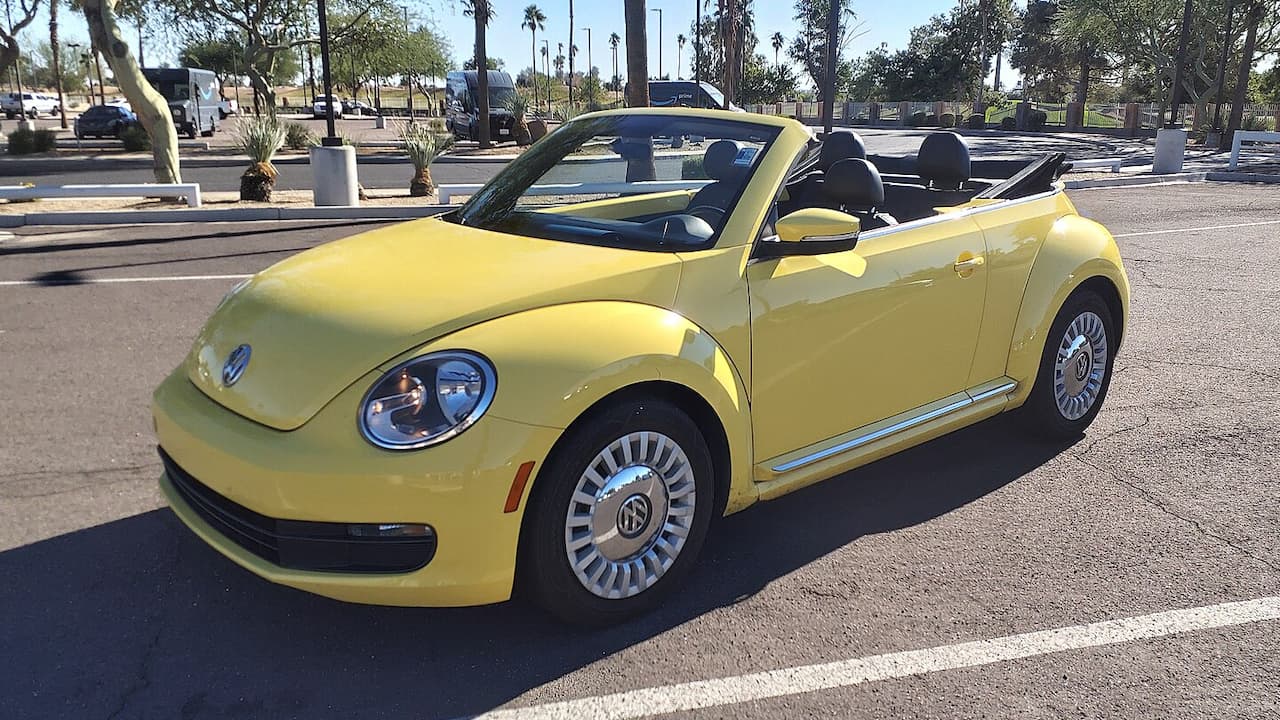
1. Volkswagen Beetle (2012–2019)
The modern iteration of the Volkswagen Beetle aimed to combine nostalgia with a contemporary twist, appealing to Baby Boomers who cherished the original model. However, despite its marketing as a “fun” and “quirky” vehicle, sales plummeted to just 15,000 units in 2018, down from over 60,000 in 2013. The disconnect between the targeted advertising and the actual driving experience led many older consumers to feel disenchanted with the car, proving that appealing aesthetics cannot always overcome practicality.
2. Chrysler PT Cruiser (2000–2010)
Chrysler’s PT Cruiser was marketed as a retro-styled hatchback, tapping into the nostalgia of Boomers who remembered the classic cars of their youth. Initially, the vehicle saw impressive sales, peaking at over 140,000 units in 2001. However, as its quirky design began to fade in popularity, it became evident that the car’s impracticality and lack of innovation ultimately left consumers feeling misled. By the time production ended in 2010, the PT Cruiser had become a symbol of marketing gone wrong, even for its older target demographic.
3. Pontiac Aztek (2001–2005)
Often cited as one of the ugliest cars ever made, the Pontiac Aztek was marketed as a versatile crossover that could appeal to both young families and older consumers seeking utility. Despite its unique design and practical features, the Aztek sold only around 100,000 units over its entire production run. Many Boomers who were initially intrigued by its marketing quickly realized that the car’s aesthetics and performance did not align with their expectations, leading to a significant backlash against the brand.
4. Nissan Juke (2010–2017)
The Nissan Juke was marketed as a compact SUV with a sporty flair, targeting younger drivers while inadvertently attracting older consumers curious about its unconventional design. Initially, the Juke saw solid sales figures, reaching over 40,000 units in 2013. However, as the novelty wore off, many Baby Boomers found the car’s cramped interior and odd styling to be less than appealing, prompting a decline in sales as they sought more traditional options. The Juke’s ultimate failure illustrates how even a unique marketing angle can miss the mark with older buyers.
5. Ford Mustang II (1974–1978)
The Ford Mustang II was designed during an era of rising fuel prices and changing consumer demands, marketed as a more fuel-efficient version of the iconic muscle car. While it initially attracted attention, selling over 200,000 units in 1976, many Boomers who revered the original Mustang felt let down by the car’s lack of power and performance. The disconnect between the marketing message and the actual driving experience led to a decline in brand loyalty among older consumers, demonstrating that even classic names can falter under misguided promotional strategies.
Conclusion: The Impact of Misguided Marketing
The experiences of these five vehicles reveal a crucial lesson in the automotive industry: effective marketing must align with consumer expectations and product performance. As Baby Boomers continue to represent a significant portion of the car-buying market, manufacturers should take note of the pitfalls encountered by these models. It is essential for companies to ensure that their advertising accurately reflects the qualities and capabilities of their vehicles to maintain consumer trust and satisfaction.
As the automotive landscape continues to evolve, consumers of all ages should remain vigilant against misleading marketing tactics. Researching vehicles and relying on unbiased reviews can help buyers avoid falling for clever advertising that does not deliver in reality. In a world where every dollar counts, being an informed consumer is more crucial than ever.