

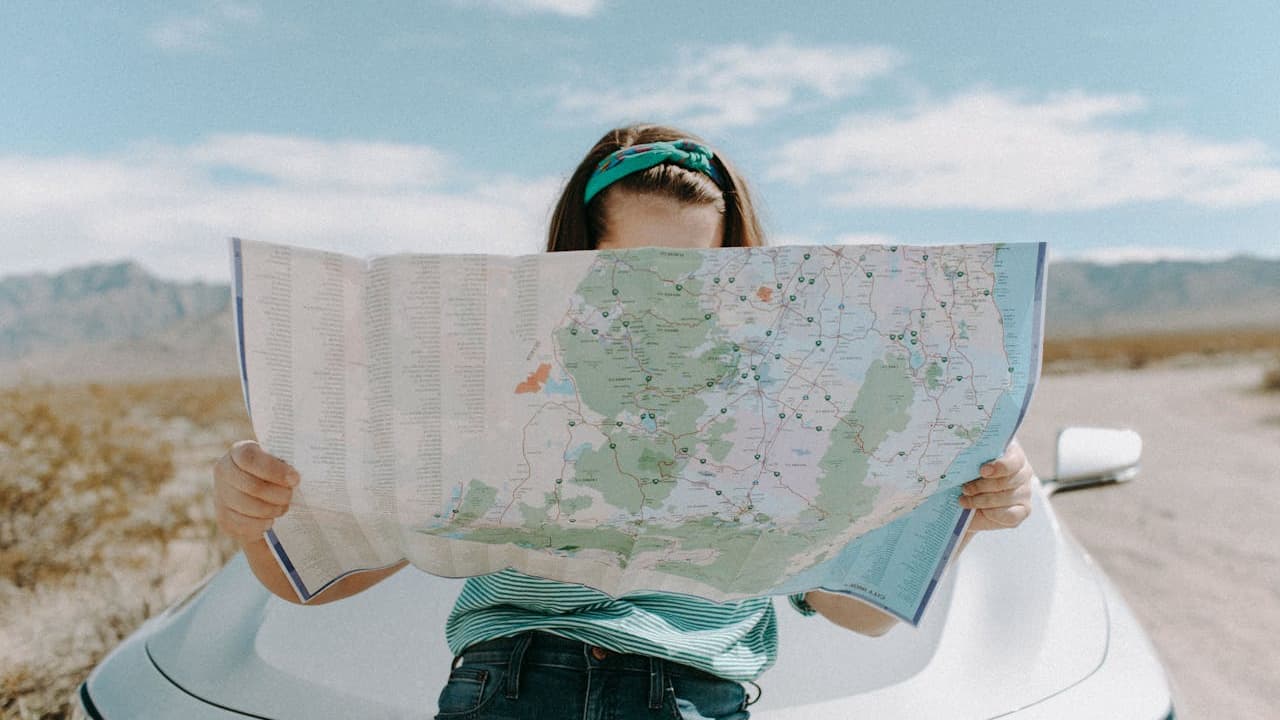
As the Baby Boomer generation reminisces about their formative years, certain road trips stand out as defining experiences. These journeys not only shaped individual lives but also reflected the broader cultural shifts of the 20th century. Understanding these trips offers insights into the values, aspirations, and challenges faced by this iconic generation.
The Great American Road Trip
One of the most quintessential experiences for Boomers was the Great American Road Trip, which became popular during the 1950s and 1960s. Families would often load up their station wagons, such as the 1965 Ford Country Squire, and embark on cross-country adventures. These trips represented freedom and exploration, allowing families to bond while discovering national parks, historic landmarks, and roadside attractions.
Route 66: The Mother Road
Route 66, often dubbed “The Mother Road,” became a symbol of American culture and adventure during the post-war era. Spanning over 2,400 miles from Chicago to Santa Monica, this iconic highway was a favorite for many Boomers seeking to experience the heart of America. From the kitschy diners to the small-town charm, the journey along Route 66 offered a glimpse into a simpler time and remains a nostalgic memory for those who traveled it.
The National Parks Tour
The surge in automobile ownership during the 1960s led to increased interest in national parks. Boomers often took road trips to explore natural wonders like Yellowstone, Yosemite, and the Grand Canyon. The National Park Service reported a significant rise in visitors during this period, with numbers peaking at over 15 million in the late 1960s. These trips not only allowed families to connect with nature but also fostered a strong environmental consciousness that persists today.
Beach Vacations: The Rise of the Sunbelt
The mid-20th century saw a rise in beach vacations as Boomers flocked to the Sunbelt states for summer getaways. Popular destinations included Florida’s Daytona Beach and California’s Malibu, where families would rent beach houses and spend days enjoying the sun and surf. The allure of these coastal destinations was so strong that in 1970, Florida alone attracted over 25 million visitors, many of whom were Boomers creating lifelong memories.
Visits to Historic Sites
For many Boomers, road trips included visits to historic sites that helped shape American identity. Trips to Washington, D.C., for instance, allowed families to explore monuments and museums, instilling a sense of patriotism. The American History Museum and the Lincoln Memorial became must-see destinations, with millions of visitors each year. These experiences helped foster a deeper understanding of the nation’s past and its significance.
College Road Trips: The Search for Higher Education
As Boomers reached their late teens and early twenties, many embarked on college road trips. Traveling across states to visit potential colleges became a rite of passage. Parents would often take their children to campuses like the University of California, Berkeley, or the University of Michigan, showcasing the importance of education in the Boomer generation. By the 1980s, college enrollment reached an all-time high, with over 10 million attending institutions of higher education.
Family Visits: Connecting Generations
Road trips to visit family members were common among Boomers, particularly as they moved away for work or education. These journeys often included long drives to see grandparents or relatives, reinforcing family ties that were crucial to the Boomer experience. With the rise of the Interstate Highway System in the 1950s, travel became more accessible, leading to increased visits and a sense of family connectivity that remains vital today.
Conclusion: Reflecting on the Journey
The road trips taken by the Baby Boomer generation were more than mere travel; they were transformative experiences that shaped their identities and values. From the allure of Route 66 to family visits, each journey contributed to the rich tapestry of American cultural history. As these narratives are shared, it is imperative to recognize their impact on current generations.
As we look back, it is essential to preserve these stories and experiences. Sharing your own road trip memories can inspire others and keep the spirit of adventure alive. Consider documenting your experiences or planning a new road trip to create lasting memories. The open road awaits.