
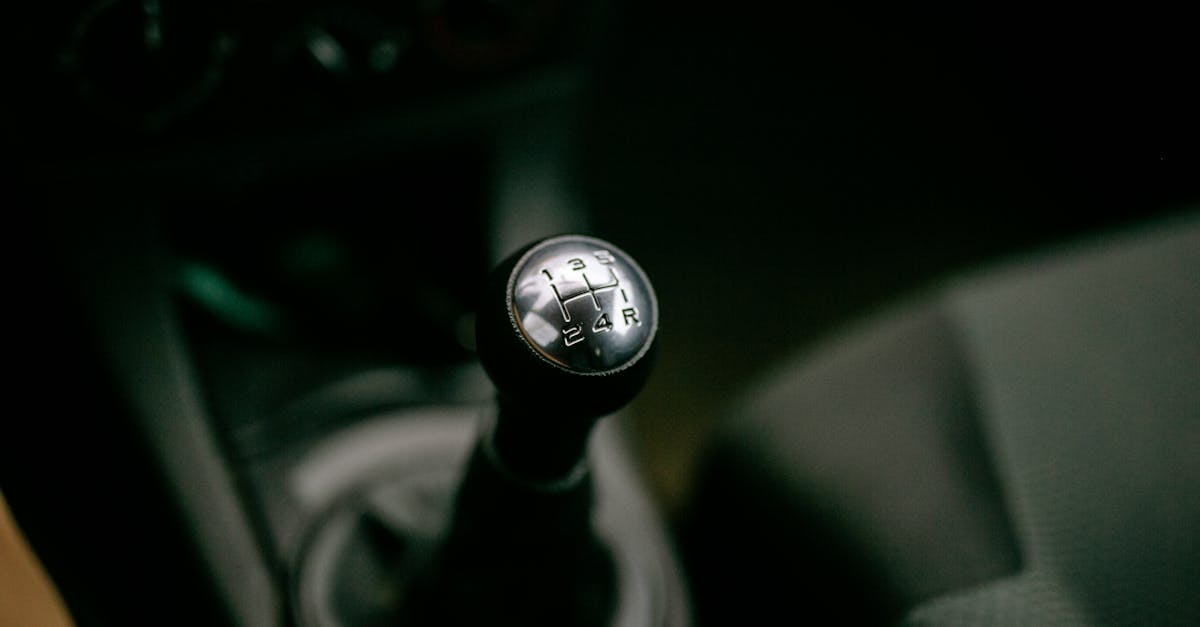


As the automotive industry increasingly shifts towards automatic transmissions and electric vehicles, Baby Boomers, who grew up with manual gear shifts, are expressing nostalgia for the driving experiences they once cherished. This demographic, comprising individuals born between 1946 and 1964, is feeling the loss of manual transmissions as they reflect on their significance in the evolution of driving culture. Understanding the reasons behind this sentiment sheds light on how driving preferences have changed over the decades and why it matters to both car enthusiasts and manufacturers alike.
1. The Connection to the Vehicle
Many Boomers appreciate the intimate connection that comes with driving a manual transmission. The tactile feedback, the engagement of shifting gears, and the control over the vehicle create a sense of unity between driver and machine. Unlike automatic transmissions, which often feel disconnected, manuals provide a direct relationship that many Boomers feel enhances the driving experience.
According to a survey by the Specialty Equipment Market Association (SEMA), 72% of older drivers indicated that they preferred manual transmissions for the driving control they offer. This connection to the vehicle is often cited as a key reason why they feel modern cars lack the essence of driving.
2. Driving Skill and Engagement
Another aspect that resonates with Boomers is the skill required to operate a manual transmission. Learning to drive a stick shift is often seen as a rite of passage, providing a sense of accomplishment and mastery. Many Boomers recall the challenges of coordinating the clutch and gear shift, which instilled a deeper understanding of vehicle mechanics and driving techniques.
This feeling of engagement is becoming increasingly rare as automatic transmissions dominate the market. In 2021, manuals accounted for only about 2% of new car sales in the United States, a stark contrast to the 45% share they held in 1980. The decline in manual vehicles has led to concerns that younger generations might miss out on the crucial skills that come with driving a stick shift.
3. The Thrill of the Drive
For many Boomers, driving a manual transmission offers a unique thrill that is hard to replicate with automatics. The ability to downshift for acceleration or hold a gear through corners is a source of joy and excitement. Cars like the 2020 Chevrolet Corvette Stingray and the 2021 Ford Mustang GT, which offer manual options, are often celebrated for enhancing the driving experience through this thrill factor.
In addition, the sense of adventure associated with mastering a manual transmission adds to the enjoyment. Many Boomers reminisce about road trips where the act of changing gears became a memorable part of the journey, making the act of driving not just a means to an end but a pleasurable experience in itself.
4. Nostalgia and Classic Cars
Classic cars, many of which feature manual transmissions, hold a special place in the hearts of Boomers. Vehicles like the 1967 Ford Mustang and the 1970 Chevrolet Camaro symbolize a golden era of automotive design and performance. The manual transmission is often seen as an integral part of these classics, adding to their charm and appeal.
As the classic car market continues to thrive, enthusiasts are actively seeking out manual models. According to the Hagerty Market Index, the value of classic cars has surged, with manual transmission models often fetching higher prices at auctions. This trend highlights the enduring appeal of manual transmissions among Boomers, who are keen to preserve and celebrate automotive history.
5. Fuel Efficiency and Control
Fuel efficiency is another reason Boomers often favor manual transmissions. Traditionally, manual transmissions have been known to provide better fuel economy than their automatic counterparts, especially in older models. Although modern automatics have improved significantly, many Boomers still believe that driving a manual allows for more precise control over fuel consumption.
The 2022 Honda Civic, for instance, offers both manual and automatic transmission options, with the manual variant being praised for its superior fuel efficiency in specific driving conditions. As fuel prices continue to fluctuate, this aspect of manual driving remains appealing to many who grew up with the cost-conscious mindset of earlier decades.
6. The Community and Culture
Finally, the community surrounding manual transmissions fosters a sense of belonging among enthusiasts. Car clubs, meetups, and forums dedicated to manual cars provide a space for Boomers to connect with like-minded individuals who share their passion. These gatherings often celebrate the art of driving and the techniques associated with manual transmissions.
As the number of manual transmission vehicles decreases, so does the community presence. Boomers are concerned that the rich culture surrounding manual driving may fade away, taking