
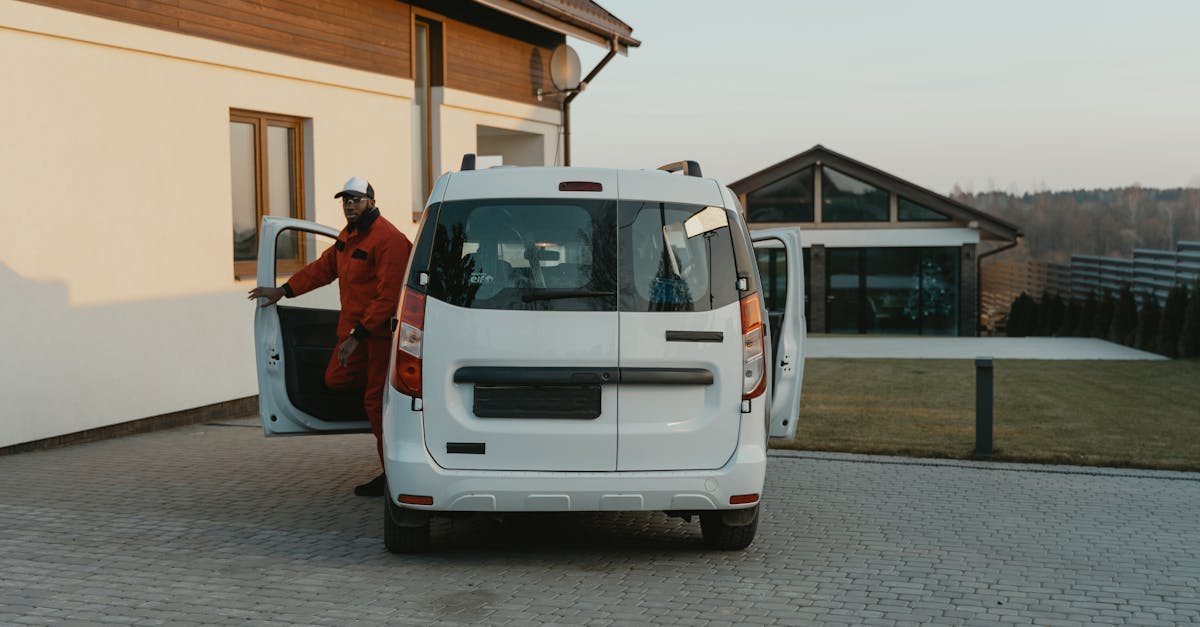


10 Parking Hacks That Won’t Get You Towed
Parking can be one of the most frustrating aspects of driving, especially in busy urban areas where spaces are limited and regulations are strict. Knowing how to navigate these challenges is crucial for drivers wanting to avoid costly towing fees, which can average around $200 to $500 depending on the city. Here are ten practical parking hacks designed to help drivers securely park their vehicles without fear of being towed.
1. Understand Local Parking Regulations
Each city has its own set of parking regulations that can change frequently. Before parking, it’s essential to familiarize yourself with the local signs and rules. For example, in New York City, alternate side parking rules require drivers to move their vehicles on certain days for street cleaning, which can result in towing if not adhered to.
2. Use Park-and-Ride Facilities
Park-and-ride facilities are a convenient option for those commuting to city centers. Many urban areas offer these services, allowing drivers to park their vehicles in designated lots and take public transportation into the city. This not only saves money on parking fees but also reduces the risk of being towed.
3. Look for Free Parking Spaces
Free parking spaces can often be found in residential areas or near local businesses that do not enforce strict parking policies. However, it’s crucial to check for any signs that indicate restrictions to avoid fines or towing. Utilizing apps like Parkopedia can help locate free or low-cost parking options nearby.
4. Be Mindful of Time Limits
Many parking spots, especially in commercial areas, have time limits that drivers must adhere to. Failing to move your vehicle within the designated timeframe can lead to towing. For instance, a common limit in many cities is two hours for street parking, so setting a timer on your phone can ensure you don’t exceed this limit.
5. Avoid Parking in Front of Driveways
Parking in front of a driveway, even if it seems like a convenient spot, can lead to immediate towing. It is essential to keep access clear for residents and businesses. Many towing companies are quick to respond to calls from property owners, so it’s best to steer clear of these areas altogether.
6. Use Your Blinkers Effectively
Using your turn signal when parking can sometimes help deter towing. In some areas, drivers are less likely to be towed if they signal their intent to park. While this may not be a foolproof method, it’s a simple step that can help indicate you are actively parking and not abandoning your vehicle.
7. Choose Off-Peak Hours
Parking during off-peak hours can significantly reduce the chances of being towed. Many cities have stricter enforcement during peak business hours. For instance, parking after 6 PM in downtown areas often has fewer restrictions, making it a safer option for evening outings.
8. Double-Check the Street Cleaning Schedule
Many cities implement street cleaning schedules that require vehicles to be moved on specific days. This can lead to towing if drivers are not aware of the schedule. It’s advisable to check local government websites or community boards for updates on street cleaning days and times to avoid penalties.
9. Use Technology to Your Advantage
Several mobile apps can help you stay informed about parking regulations and available spaces. Apps like SpotHero and ParkWhiz allow users to find and reserve parking spots ahead of time, reducing the risk of being towed. Utilizing these tools can save both time and money while providing peace of mind.
10. Always Keep Your Registration Updated
Ensuring your vehicle registration and inspection are current is critical. Expired tags can lead to towing, especially in areas with strict enforcement. Regularly checking your vehicle’s registration status can prevent unexpected issues when parking in public spaces.
Conclusion
Understanding the nuances of parking regulations and employing these ten hacks can significantly reduce the likelihood of being towed. With towing fees averaging between $200 to $500, it’s vital for drivers to implement these strategies. Stay informed about local laws, utilize available technology, and be mindful of your surroundings when parking. Don’t let a simple mistake lead to an unnecessary headache—take action today to ensure a hassle-free parking experience.