

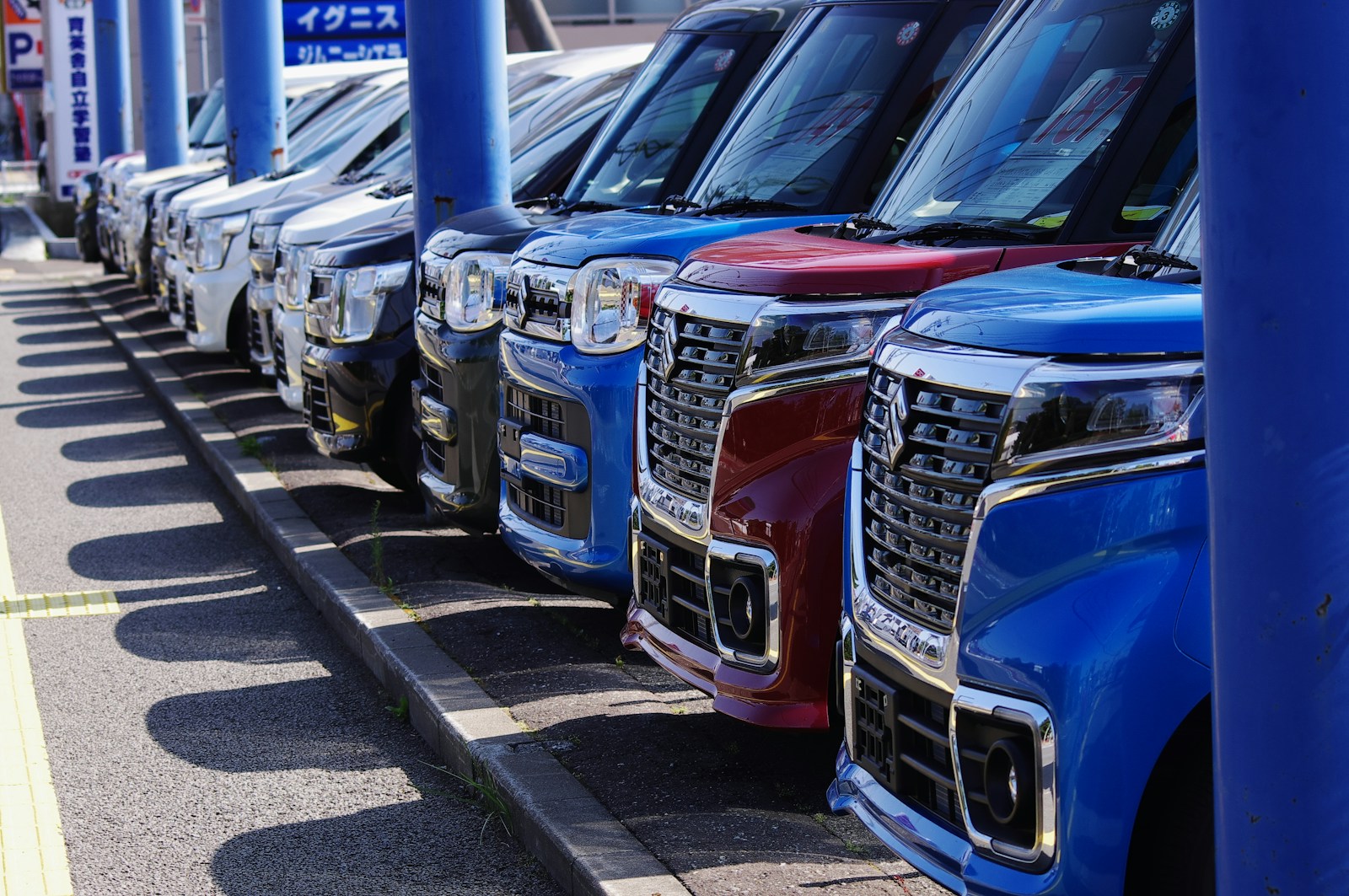
Consumers across the United States are increasingly finding themselves ensnared in a web of hidden costs associated with seemingly “free” vehicle maintenance programs, particularly those related to Advanced Powertrain Repair (APR). This situation affects millions of vehicle owners who believe they are receiving complimentary care for their automobiles, but may face unexpected fees and service limitations that undermine the initial promise of cost savings. As vehicle technology evolves and manufacturers introduce more sophisticated systems, the fine print in maintenance agreements is becoming a critical area of concern.
Understanding the APR Maintenance Trap
Advanced Powertrain Repair, commonly referred to as APR, is designed to provide vehicle owners with maintenance services at little to no cost. However, many owners of popular models like the 2020–2022 Honda Accord have reported that these “free” programs come with strings attached. For instance, while routine oil changes and tire rotations may be covered, extensive repairs or specific parts replacements often incur significant out-of-pocket expenses that are not clearly disclosed at the time of service enrollment.
According to a recent survey conducted by the Consumer Federation of America (CFA), nearly 65% of drivers who enrolled in APR programs experienced an unexpected charge, with an average cost of $300. This disparity between expectations and reality can lead to frustration and financial strain for consumers who rely on these programs to manage their vehicle upkeep.
Deceptive Marketing Practices
Automakers and dealerships may use aggressive marketing tactics to promote APR maintenance programs, often emphasizing the “free” aspect without adequately explaining the potential costs involved. Advertisements frequently highlight the convenience of complimentary services, but the details in the fine print often reveal exclusions that can catch consumers off guard. Many customers report that they were unaware of the limitations on coverage, such as restrictions on the types of services that qualify under the APR umbrella.
Experts in automotive consumer rights argue that this can be classified as a deceptive marketing practice. “Consumers are often led to believe they are making a smart financial decision, only to find themselves facing unexpected bills,” said Susan Grant, director of consumer protection at the CFA. “This is particularly concerning in an age where transparency should be a priority for businesses.”
Consumer Experiences and Complaints
A growing number of consumers have taken to social media and online forums to voice their frustrations regarding APR programs. One user, who wished to remain anonymous, shared their experience with a 2021 Toyota Camry, stating, “I thought I was getting free maintenance, but when my car needed new brake pads, I was shocked to see a $400 charge. It wasn’t even covered under the plan.” This sentiment is echoed by many who feel misled by promotional materials that fail to disclose critical information.
Additionally, the Better Business Bureau (BBB) has reported a surge in complaints related to APR maintenance programs over the past year. In 2023 alone, the BBB received over 1,200 complaints nationwide concerning hidden fees in maintenance contracts, a 40% increase from 2022. These complaints highlight the urgent need for consumers to read the fine print and understand what is truly included in these maintenance agreements.
What Consumers Can Do
In light of these developments, experts recommend that consumers take proactive steps to protect themselves before enrolling in any APR maintenance program. First and foremost, carefully read all documentation related to the service agreement. Look for specific exclusions, limitations, and any fees that may arise during the service period.
Additionally, consumers are encouraged to seek out reviews and testimonials from fellow vehicle owners who have used the same maintenance program. Joining online forums and communities can provide valuable insights and help individuals gauge the reliability of the program they are considering. Finally, it may be beneficial to compare APR offerings from different manufacturers to identify which programs provide the most comprehensive coverage without unexpected costs.
Legislative Action Needed
Consumer advocates are calling for increased regulation and oversight of APR maintenance programs to ensure transparency and protect consumers from deceptive practices. They argue that manufacturers should be required to disclose all potential costs and limitations upfront, allowing consumers to make informed decisions. As the automotive industry continues to evolve, safeguarding consumer rights in this area is becoming increasingly important.
Take Action Now
Vehicle owners should review their maintenance agreements immediately, especially if they are enrolled in an APR program. Understanding the terms of service can prevent unexpected financial burdens down the line. If you have faced issues with hidden fees or deceptive practices, consider filing a complaint with the BBB or your state’s consumer protection agency. Stay informed and protect your rights as a consumer in the automotive market.