

Sometimes, even the best intentions go awry. This universal truth is nowhere more evident than in the world of classic muscle cars. While many of these powerful, heart-pounding vehicles have achieved iconic status, a select few missed their mark, leaving enthusiasts scratching their heads. From poor design choices to lackluster performance, these are the cars that should have stayed as blueprints. As a muscle car enthusiast and collector, I’ve gathered a list of five muscle cars that, despite best efforts, failed to live up to the hype. These are the models that serve as reminders of what not to do when creating a classic.
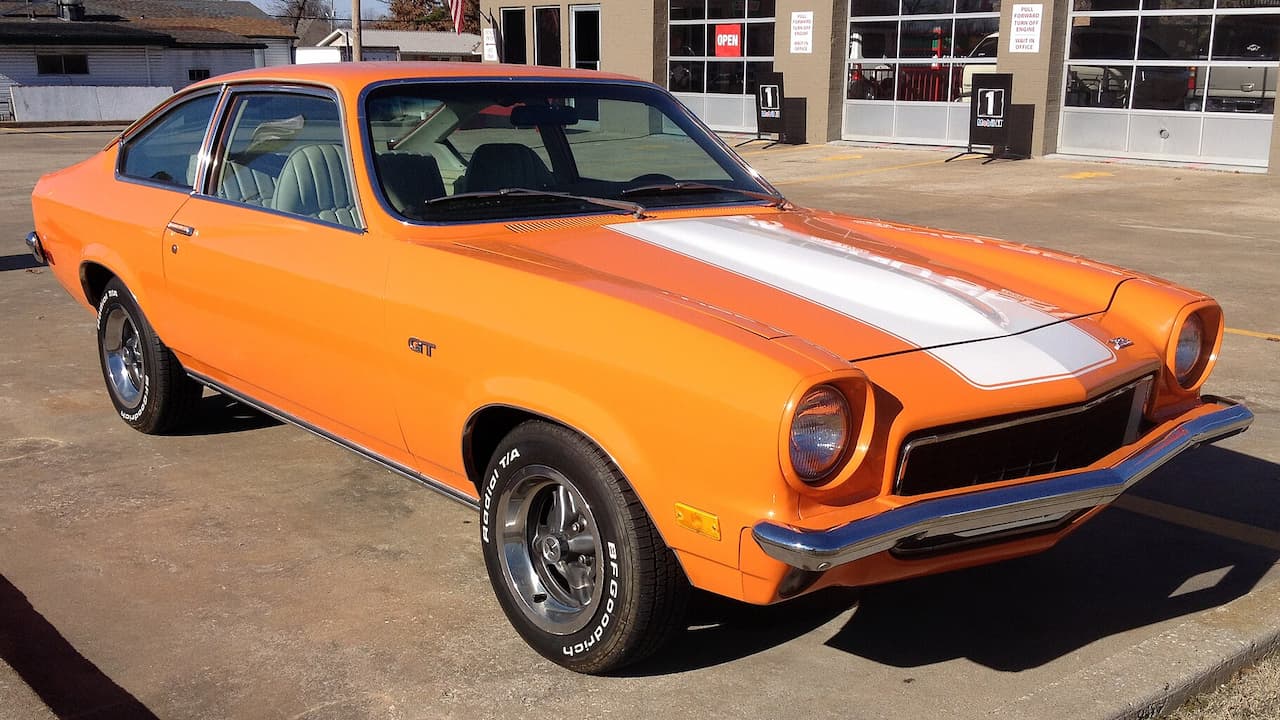
Chevrolet Vega
Introduced in the early 70s, the Chevrolet Vega was General Motors’ attempt to compete with the influx of compact cars from overseas. With its sporty, sleek design, it was touted as the economical muscle car. However, the Vega’s appeal quickly evaporated when consumers realized its glaring shortcomings.
From its lightweight aluminum engine block, prone to overheating and warping, to the rust-prone body, the Vega quickly earned a reputation for being unreliable. Despite multiple attempts to rectify these issues, the Vega’s reputation was irreversibly tarnished, making it a muscle car that should have remained a concept.
AMC Gremlin
The AMC Gremlin, with its odd proportions and quirky design, was an attempt at an economical subcompact muscle car. It had a unique, love-it-or-hate-it style that certainly made it stand out in a crowd.
However, the Gremlin’s performance left much to be desired. Despite packing a V8 engine in a small body, it failed to deliver the exhilarating power that muscle car fans craved. Its odd design also resulted in a cramped interior and limited cargo space, making it impractical for everyday use.
Ford Mustang II
The Ford Mustang II, a product of the 70s oil crisis, was a stark departure from its powerful, stylish predecessors. While it shared the Mustang name, it lacked the powerful performance and sleek design that made the original Mustang a classic.
Its underpowered four-cylinder engine failed to deliver the exhilarating performance expected from a Mustang. Additionally, its design, heavily borrowed from the economy-focused Ford Pinto, left many enthusiasts disappointed. The Mustang II remains a low point in the Mustang’s otherwise illustrious history.
Pontiac Aztek
While not a traditional muscle car, the Pontiac Aztek’s unique design and ambitious vision merit its inclusion in this list. With an aggressive, futuristic design, the Aztek was touted as a ‘sport recreational vehicle’ by Pontiac.
However, its odd, bulky design was a far cry from the sleek, powerful aesthetic that characterizes muscle cars. Its performance, too, left much to be desired. Despite its unique vision, the Aztek failed to capture the hearts of muscle car enthusiasts, making it a car that perhaps should have stayed on the drawing board.
Mercury Bobcat
Another product of the 70s, the Mercury Bobcat was essentially a rebadged Ford Pinto. It was marketed as a compact, economical muscle car but failed to deliver on both counts.
Its small, underpowered engine offered lackluster performance, while its design seemed more suited for an economy car than a muscle car. The Bobcat, despite its ambitious name, lacked the power and style that define classic muscle cars.
In conclusion, while these cars may have missed the mark, they serve as reminders of the constant evolution and experimentation in the world of muscle cars. They serve as stepping stones, paving the way for the classics we love and cherish today. So, whether you’re an enthusiast or a collector, let’s appreciate these notable missteps for what they truly are – a testament to the adventurous spirit of muscle car creators.