

In the world of classic cars, some models are remembered for their groundbreaking performance and sales records, while others are notorious for their failures and the heartbreak they caused their owners. This article examines five classic cars that, despite their potential, left a trail of disappointment and frustration, proving that not all automotive legends live up to their hype. Understanding these vehicles is essential for collectors and enthusiasts alike, as they highlight the risks involved in classic car ownership.
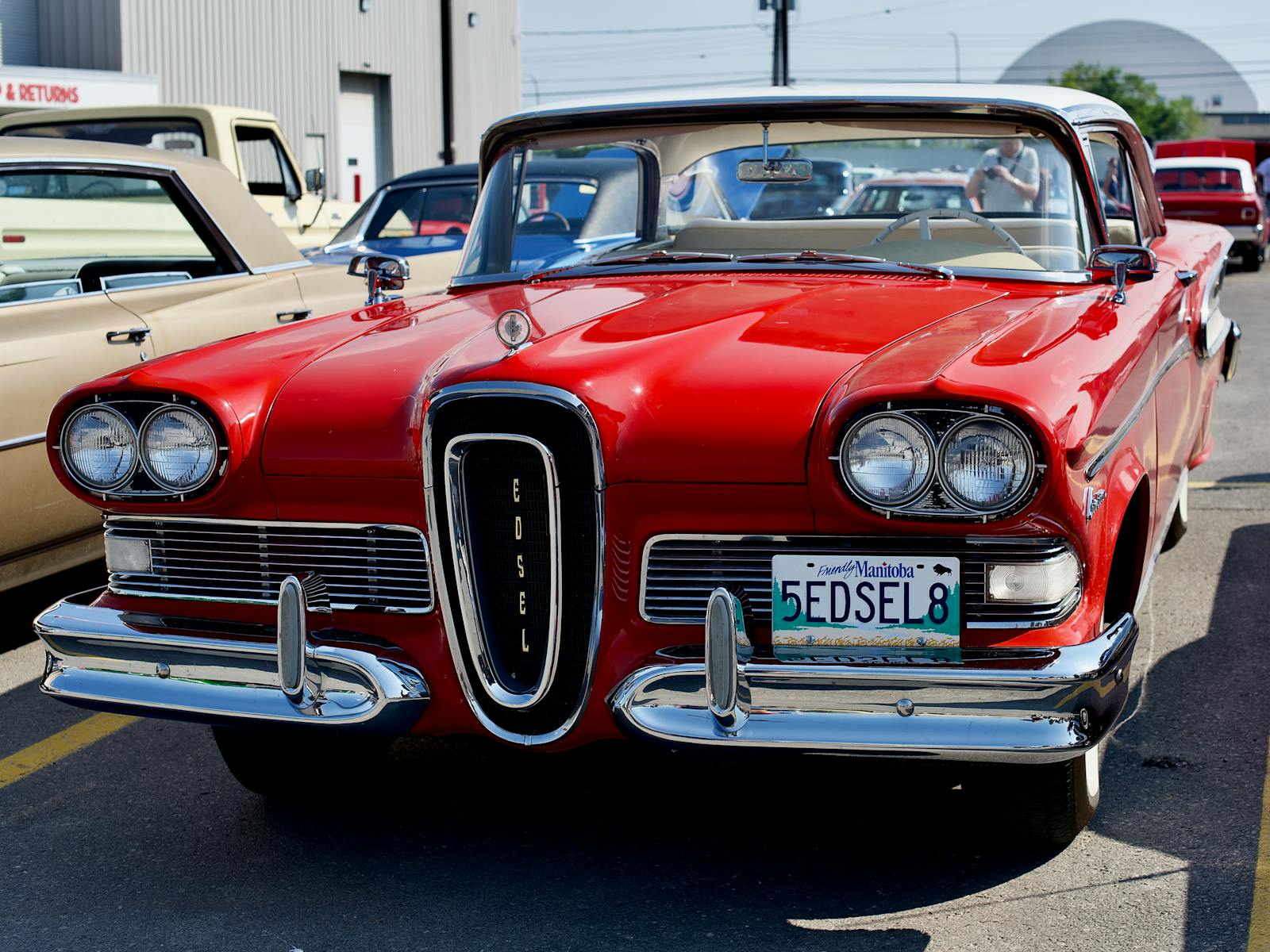
1. Ford Edsel (1958-1960)
The Ford Edsel is often cited as one of the biggest flops in automotive history. Introduced with much fanfare in 1957, the Edsel was intended to bridge the gap between Ford and Lincoln, but its unique styling and marketing missteps led to dismal sales. Only around 114,000 units were sold in three years, far below Ford’s expectations of 200,000 annually. This disastrous performance not only resulted in significant financial losses for Ford but also left a lasting stain on the brand’s reputation.
2. DeLorean DMC-12 (1981-1983)
The DeLorean DMC-12 is remembered for its distinctive gullwing doors and futuristic design, but its production was marred by financial troubles and quality issues. Initially, the car was designed to be a revolutionary sports vehicle with a price tag of $25,000, but production delays and high costs resulted in a retail price that climbed to nearly $30,000. With only about 9,000 units produced, the car became a symbol of ambition gone wrong. The DeLorean’s association with the “Back to the Future” film franchise has since given it a cult status, but it remains a heartbreaker for those who hoped for a reliable driving experience.
3. Chevrolet Corvair (1960-1969)
The Chevrolet Corvair was innovative, being one of the few American cars to feature a rear-engine layout. However, it quickly became embroiled in controversy following Ralph Nader’s 1965 book “Unsafe at Any Speed,” which criticized the model for its handling and safety issues. As a result, sales plummeted, with only 1.8 million units sold over its decade-long production run, compared to Chevrolet’s other successful models. The Corvair’s reputation for being unsafe not only affected its market performance but also led to a decline in public trust in the Chevrolet brand.
4. Pontiac Aztek (2001-2005)
The Pontiac Aztek is often cited as one of the ugliest cars produced in the modern era, but its design wasn’t the only issue that led to its failure. Despite being marketed as a sporty crossover SUV with a range of features, such as a tent that could be attached to its rear, the Aztek sold only around 119,000 units during its production run. The car’s polarizing aesthetic and lack of mainstream appeal contributed to its image as a failure, leaving a trail of disappointed consumers who expected more from Pontiac.
5. Chrysler PT Cruiser (2000-2010)
The Chrysler PT Cruiser was initially celebrated for its retro styling and unique design, drawing in buyers with an impressive first-year sales figure of over 150,000 units. However, as production continued, the novelty wore off, and the car began to suffer from reliability issues and a lack of performance. By the time production ceased in 2010, only about 1.3 million units had been sold, and many owners lamented their investment. The PT Cruiser serves as a reminder that even popular models can falter if they fail to maintain quality and performance over time.
The Lessons Learned
The stories of these five classic cars serve as cautionary tales for current and future car enthusiasts. Each model represents the complexities of automotive design, consumer expectations, and market realities. While some vehicles may initially capture the public’s imagination, others can quickly fall out of favor due to a variety of factors, including safety concerns, poor quality control, and branding missteps.
For collectors and enthusiasts, understanding the pitfalls of these classic cars is critical. Purchasing a vehicle that has garnered a reputation for unreliability or poor performance can lead to disappointment and financial loss. As the classic car market continues to grow, it’s vital for buyers to do thorough research and consider the history and reputation of the models they are interested in.