

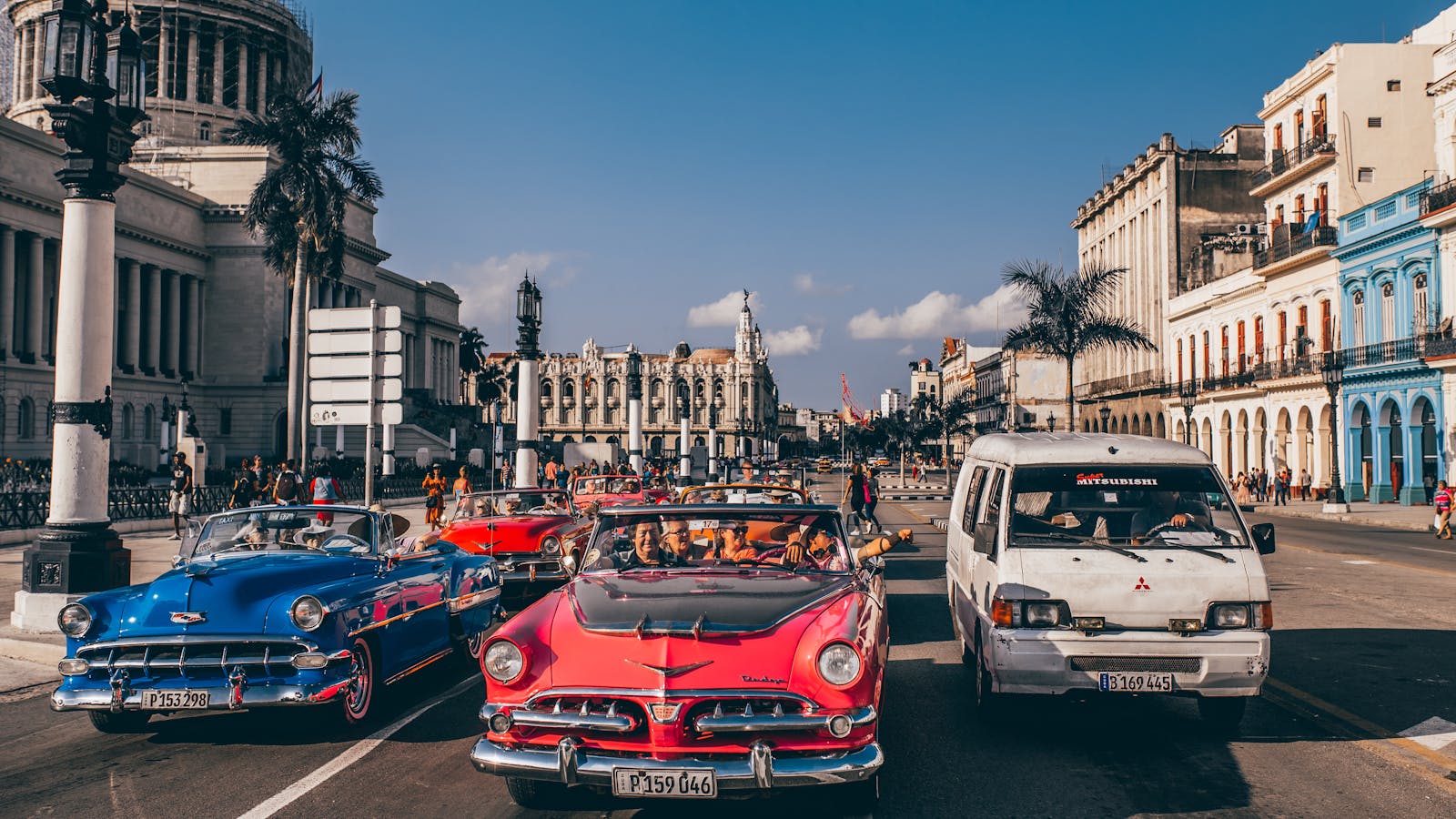
Despite their iconic status, several popular vehicles from the Baby Boomer era have not aged well, leading to disappointment among collectors and enthusiasts. This decline in desirability affects car values and can leave owners with a vehicle that does not live up to the legacy it once had. Understanding which models have faltered over time is crucial for potential buyers and collectors looking to invest in classic cars.
1. Ford Mustang (1960s)
The Ford Mustang, first introduced in 1964, is one of the most celebrated cars in American automotive history. However, many early models, particularly the 1965-1966 versions, suffer from issues like rust and underpowered engines compared to modern standards. While they were a symbol of freedom and power, the reality of maintaining these vehicles can be a costly endeavor, with restoration costs often exceeding $30,000.
2. Chevrolet Corvette (C3, 1968–1982)
The third generation of the Chevrolet Corvette, known as the C3, had a strong initial appeal due to its sleek design and performance. However, many C3 models are plagued with problems like cracking fiberglass, electrical issues, and poor build quality. Despite its fame, the C3’s performance struggles against contemporary sports cars have led to a market decline, with values dropping by nearly 20% in the past five years.
3. Volkswagen Beetle (1960s–1970s)
While the Volkswagen Beetle has enjoyed a cult following, its age has revealed significant flaws. Models from the 1960s and 1970s are notorious for their inadequate safety features and susceptibility to rust. Many owners find that restoration and maintenance costs can reach upwards of $15,000, making it less appealing to those looking for a reliable classic car.
4. Pontiac Firebird (1970s)
The Pontiac Firebird gained fame in the 1970s, particularly with its association with pop culture, such as in “Smokey and the Bandit.” However, many models from this era are affected by engine reliability issues and the shifting fuel economy standards. With fuel prices consistently over $3 per gallon, the Firebird’s performance-focused engines have become a liability for those seeking practicality.
5. Chrysler Cordoba (1975–1983)
The Chrysler Cordoba is often remembered for its luxurious features and memorable advertising campaigns featuring Ricardo Montalbán. However, the model quickly gained a reputation for poor build quality and mechanical issues. Many Cordobas are now considered undesirable due to their lack of reliability, with prices for well-maintained models stagnating at around $5,000, a stark contrast to their original selling price.
6. AMC Pacer (1975–1980)
The AMC Pacer was marketed as a unique compact car, but its quirky design did not translate into lasting appeal. Known for its poor fuel economy and limited power, the Pacer has become a symbol of automotive failure. Currently, the market for these cars is exceedingly limited, with values often hovering around $3,000, reflecting a significant depreciation from their original retail prices.
Conclusion
While these cars were once celebrated for their design and cultural significance, they have not withstood the test of time. Many of these vehicles now suffer from reliability issues, high maintenance costs, and declining market values, making them less appealing to collectors and classic car enthusiasts. For potential buyers, researching these models is essential to avoid investing in a vehicle that may not meet expectations.
As automotive technology continues to advance, the allure of classic cars may diminish further. Interested buyers should act quickly—before investing in a classic car, ensure thorough research into its longevity and maintenance history. Understanding the risks can help prevent costly mistakes in the world of classic car ownership.