

Recent surveys indicate that Baby Boomers are nostalgic for several cars from their youth, but their fondness may be based on misconceptions about performance, safety, and environmental impact. This phenomenon affects not only car enthusiasts but also the automotive market, as manufacturers adjust their offerings based on generational preferences. Understanding why Boomers miss these models can shed light on the disconnect between memory and reality in the automotive world.
1. Ford Mustang (1964-1973)
The Ford Mustang is often heralded as a cultural icon, especially among Baby Boomers who remember it as the quintessential American muscle car. However, while the Mustang of this era boasted impressive horsepower figures—some models reaching over 400 hp—many fail to recall its subpar safety ratings and high fuel consumption. The 1973 Mustang, for example, had an average of just 14 miles per gallon, a stark contrast to modern vehicles that prioritize both power and efficiency.
2. Chevrolet Bel Air (1955-1957)
The Chevrolet Bel Air remains a beloved classic for many Boomers, often celebrated for its stylish design and nostalgic value. However, this admiration overlooks significant drawbacks, such as the lack of safety features and poor crash test ratings. While the 1957 Bel Air is often considered a symbol of Americana, it came equipped with drum brakes and minimal seatbelt options, making it a risky choice by today’s standards.
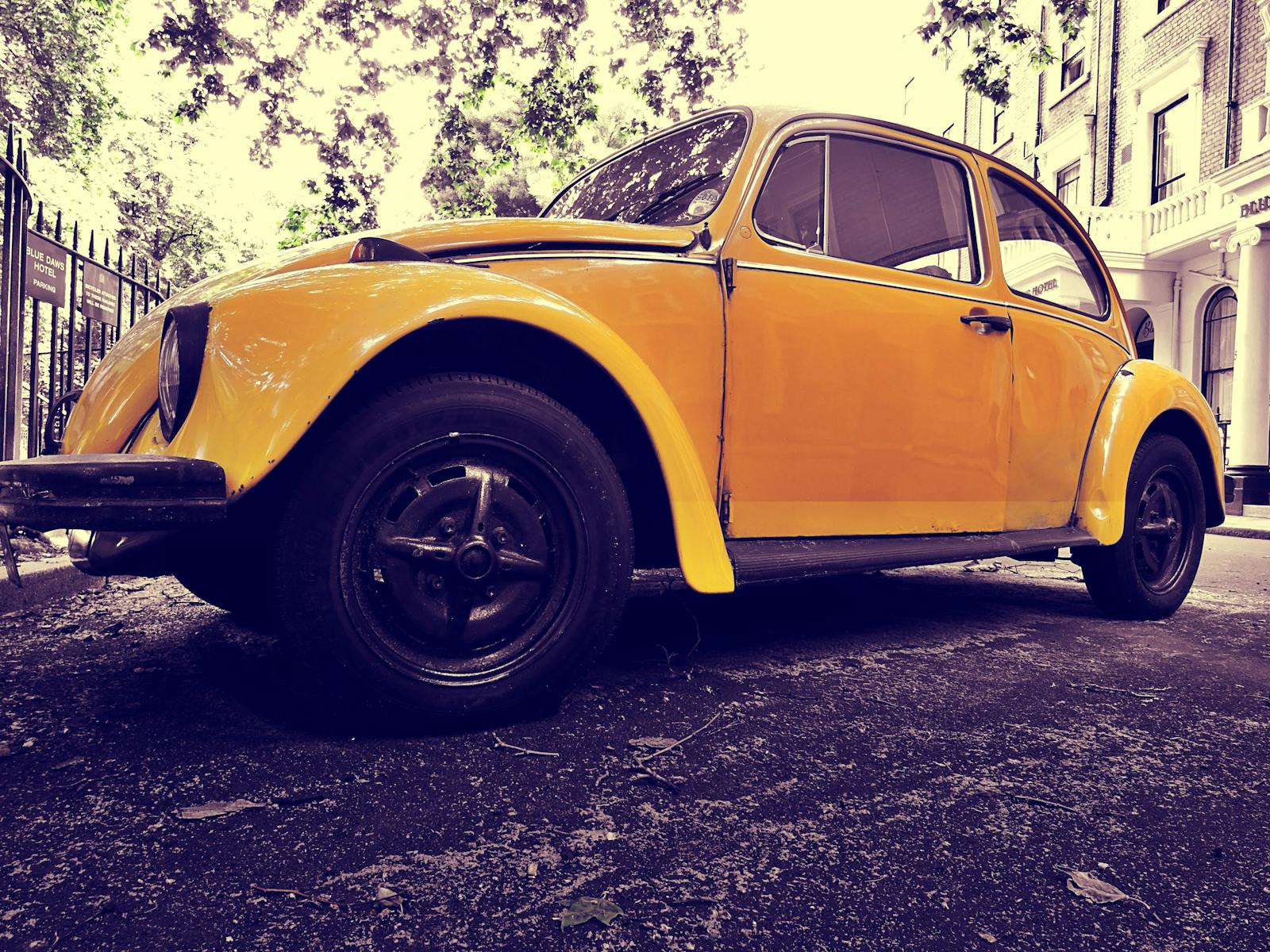
3. Volkswagen Beetle (1938-2003)
The Volkswagen Beetle is frequently romanticized for its unique design and status as one of the best-selling cars in history, with over 21 million units sold worldwide. Yet, Boomers tend to overlook the vehicle’s limited power and outdated technology. The original Beetle’s air-cooled engine often struggled to keep pace with modern traffic, offering only about 30 horsepower, which can be dangerously underpowered in today’s high-speed driving conditions.
4. Pontiac Firebird (1967-2002)
The Pontiac Firebird, particularly models from the late 1960s and early 1970s, is fondly remembered for its sleek looks and performance. However, many Boomers romanticize its power without considering the vehicle’s inability to meet current emissions standards. The 1970 Firebird, for instance, produced up to 370 hp but also emitted significantly more pollutants compared to today’s vehicles, which are designed to balance performance with environmental responsibility.
5. Dodge Dart (1960-1976)
The Dodge Dart has a legacy that resonates with many Baby Boomers, who associate it with affordability and reliability during its heyday. However, nostalgia often blinds them to the Dart’s lack of modern safety features and fuel efficiency. The 1974 Dodge Dart, for example, averaged only about 18 miles per gallon, a figure that pales in comparison to current compact cars that can achieve upwards of 40 mpg.
Nostalgia vs. Reality
While Baby Boomers may miss these vehicles for their cultural significance and aesthetic appeal, it is essential to acknowledge the fundamental changes in automotive technology and safety standards over the decades. The nostalgia surrounding these cars often overlooks critical aspects such as fuel efficiency, emissions, and safety features that are now standard in modern vehicles. As consumer preferences evolve, manufacturers are increasingly focusing on sustainability and safety, which may leave many classic models behind.
The Impact on the Automotive Market
Understanding why Boomers miss these cars can have implications for the automotive industry. Car manufacturers are beginning to recognize that while nostalgia sells, they must also cater to younger generations who prioritize safety, technology, and sustainability. In 2022, the global electric vehicle market was valued at approximately $250 billion, a stark reminder that the future of the automotive industry is shifting away from the gas-guzzling models of the past.
A Call to Action
As the automotive landscape continues to evolve, it’s crucial for consumers, especially Baby Boomers, to reassess their preferences and consider the benefits of modern vehicles that emphasize safety, efficiency, and environmental responsibility. For those feeling nostalgic, consider visiting local car shows or classic car clubs to appreciate these vehicles without compromising on safety and functionality. Stay informed about current automotive trends to make educated decisions that align with contemporary standards.