

While classic cars often evoke nostalgia and admiration, an analysis reveals that several models significantly underperformed in reality compared to their promotional images. This discrepancy affects vintage car enthusiasts and collectors who may invest time and money based on misleading representations. Here are seven classic cars that, despite their stunning advertisements, fell short when viewed in person.
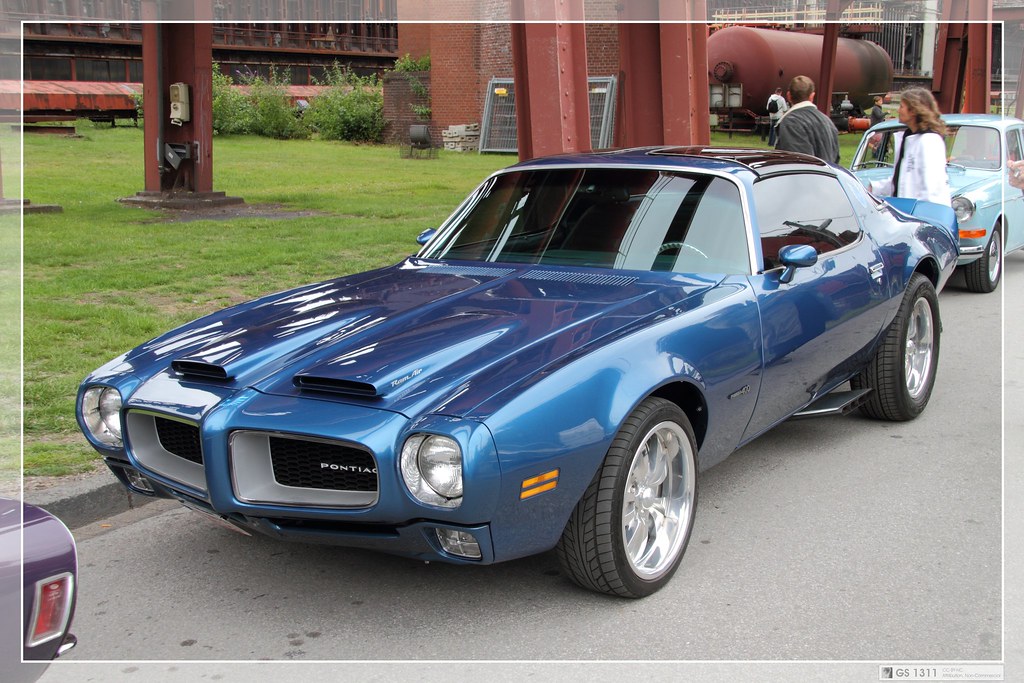
1. Pontiac Firebird (1970)
The 1970 Pontiac Firebird is often celebrated for its sleek design and powerful performance, largely due to its advertising campaigns featuring aggressive angles and vibrant colors. However, many owners have noted that the actual paint quality and build materials used in production left much to be desired. The ad campaigns promised a robust muscle car experience, but some owners reported issues with rust and fading paint, making the car appear less impressive over time.
2. Chevrolet Camaro (1969)
In 1969, Chevrolet launched the Camaro with bold advertising that showcased its sporty lines and customization options. The promotional images depicted a high-performance vehicle that captured the hearts of many. However, upon closer inspection, the car’s interior was often criticized for being cramped and lacking the refinement shown in ads. The contrast between the sleek exterior and a utilitarian interior left many enthusiasts feeling disappointed.
3. Ford Mustang (1965)
The 1965 Ford Mustang is an American icon that was marketed as a symbol of freedom and youthful spirit. Advertisements highlighted its curvy design and powerful engine, making it an instant classic. Unfortunately, the reality for many owners has been less glamorous, with reports of engine problems and subpar interior materials. The disparity between the polished ad images and real-world performance has led some collectors to rethink their investments.
4. Datsun 240Z (1970)
The Datsun 240Z was introduced with eye-catching advertisements that emphasized its performance and sporty appeal. The ads portrayed a car that could compete with European sports cars at a fraction of the price. However, many owners discovered that the vehicle suffered from reliability issues, particularly with rust and engine performance. This gap between the marketing promise and the actual driving experience has made some enthusiasts wary of the model.
5. Volkswagen Beetle (1960)
The Volkswagen Beetle, especially in the 1960s, was marketed with charming advertisements that highlighted its friendly design and fuel efficiency. The iconic image of a “people’s car” was hard to resist. However, many owners have pointed out that the car’s performance was often underwhelming, especially compared to the allure of the ads. With a sluggish acceleration and limited power, the Beetle often fell short of expectations for a fun driving experience.
6. Chrysler Cordoba (1975)
Chrysler’s 1975 Cordoba was marketed as a luxury vehicle, complete with rich interior materials and a smooth ride. Advertisements famously featured Ricardo Montalbán touting its “fine Corinthian leather.” However, the reality was different; many owners reported that the leather was not as luxurious as advertised, leading to dissatisfaction. The disparity between the well-crafted ads and the actual car’s quality has tarnished its reputation among collectors.
7. Mercury Cougar (1967)
The 1967 Mercury Cougar was introduced with a marketing campaign that highlighted its sophisticated styling and performance capabilities. Advertisements painted a picture of an upscale muscle car, appealing to buyers looking for a mix of luxury and speed. Unfortunately, the actual driving experience was often lackluster, with many owners reporting issues with handling and engine power that didn’t live up to the promotional blitz. This gap between expectations and reality has led to a mixed legacy for the Cougar.
Conclusion
The allure of classic cars often rests on the nostalgia and excitement generated by their advertisements. However, as these examples illustrate, many iconic models did not deliver on the promises made in their marketing campaigns. For collectors, enthusiasts, and potential buyers, it’s crucial to conduct thorough research and consider real-world performance and reliability rather than getting swept away by glossy images. As the classic car market continues to grow, understanding these discrepancies can lead to more informed purchasing decisions.
Stay informed and make wise choices when investing in classic cars—your next dream vehicle may not be what it seems in the ads. Always verify the details and consult with other owners before making a commitment.