

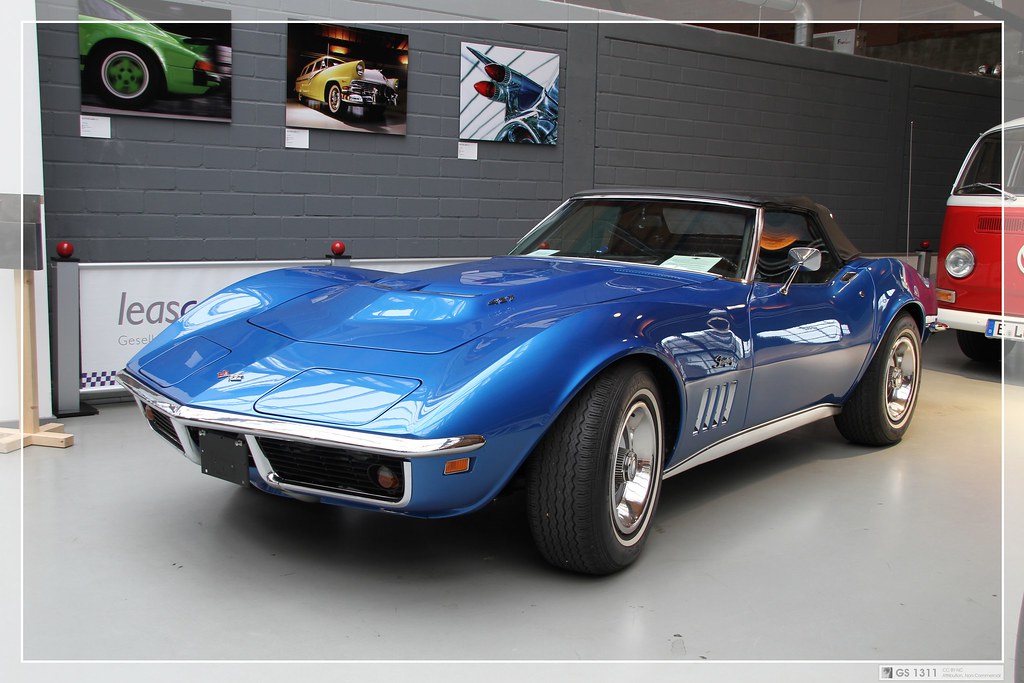
A growing trend among Baby Boomers is the restoration of classic cars, but many enthusiasts are discovering that their investments may not yield the returns they anticipated. While the passion for restoring vintage vehicles remains strong, financial realities are setting in, as some restored models are valued at significantly less than the cost of their restoration. This situation not only affects individual restorers but also raises questions about the overall market for classic cars.
1. 1975 Chevrolet Corvette
The 1975 Chevrolet Corvette is a prime example of a classic car that, despite its iconic status, often does not hold its value post-restoration. Many Boomers have invested upwards of $30,000 to restore these vehicles, only to find that the market value hovers around $15,000. The decline in value can be attributed to the massive production numbers during its production, which flooded the market and diluted its rarity.
2. 1965 Ford Mustang
The 1965 Ford Mustang, a symbol of American automotive culture, has also seen a decline in value for some restored models. While pristine examples can fetch prices exceeding $40,000, many restorers spend around $25,000 revamping their vehicles, only to see them valued at roughly $15,000. The disparity is often due to the condition of the vehicle and the specific modifications made, which can detract from its desirability among collectors.
3. 1980 Volkswagen Beetle
The Volkswagen Beetle has a loyal fan base, but the 1980 model is often not a wise investment for restorers. Typical restoration costs can reach $10,000 or more, but the market value for a fully restored Beetle often caps at around $5,000. The declining interest in these later models, combined with the popularity of more iconic years, has left many Boomers disillusioned after pouring significant funds into their restorations.
4. 1977 Dodge Charger
Many Baby Boomers dream of restoring a classic Dodge Charger, yet the 1977 model has proven to be a financial pitfall for many. Restoration costs can easily exceed $30,000, yet the market value typically remains below $15,000 for similar vehicles in good condition. The lack of demand for this particular iteration of the Charger—compared to earlier, more powerful models—has resulted in a stark disconnect between restoration expenses and resale value.
5. 1969 Chevrolet Camaro
While the 1969 Chevrolet Camaro is often celebrated among classic car aficionados, not all restored versions reflect their potential value. Many restorers invest between $40,000 and $60,000, only to find that average market values for these cars are closer to $25,000. The oversaturation of similar models and the specific choices made during restoration can significantly impact the vehicle’s ultimate worth, leaving restorers frustrated.
The Financial Implications
The trend of restoring classic cars can provide immense satisfaction, but it is essential for Boomers to consider the financial implications of their projects. The average cost of a restoration can range from $10,000 to $100,000, depending on the vehicle’s condition and the extent of the work required. However, many models fail to appreciate in value, leaving restorers with a financial burden rather than a profitable asset.
Market Dynamics and Changing Preferences
The classic car market is influenced by various factors, including changing consumer preferences and economic conditions. As younger generations show interest in electric vehicles and modern designs, the demand for certain classic models may wane. This shift is crucial for Boomers to understand, as it could affect the resale value of their lovingly restored vehicles.
Advice for Aspiring Restorers
For those considering a classic car restoration, research is essential. Prospective restorers should assess the current market conditions and focus on models that have shown consistent appreciation in value. Additionally, restoration projects should be documented thoroughly, as detailed records can enhance the vehicle’s value when it comes time to sell.
Conclusion: Know Before You Restore
The allure of restoring classic cars is undeniable, but understanding the financial realities is crucial for Baby Boomers looking to invest in these projects. Many popular models, including the Chevrolet Corvette and Ford Mustang, may not hold their value post-restoration, leading to significant financial losses. Aspiring restorers should conduct thorough research and consider market trends before committing to a restoration project. With the classic car landscape continuing to evolve, staying informed and making strategic choices is more important than ever.
<p