

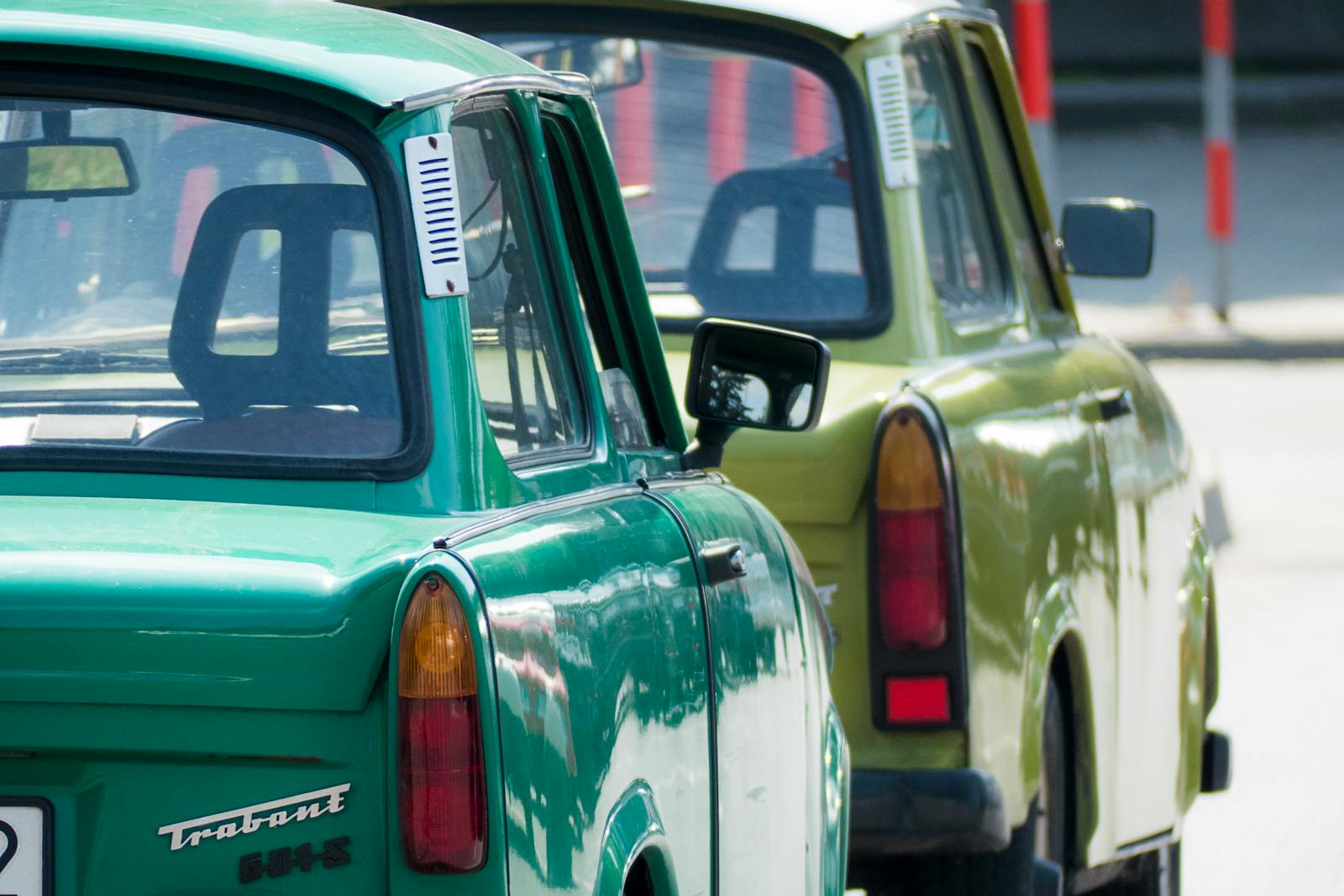
As the automotive industry moves toward electrification and smart technology, enthusiasts and collectors alike are calling for a revival of classic models that defined eras and captured hearts. This resurgence of interest affects not only car lovers but also manufacturers who may see a lucrative market in retro designs. Here are seven iconic cars that deserve a second chance on the modern stage.
1. Ford Bronco (1966-1996)
The Ford Bronco, a rugged SUV with a loyal following, originally hit the market in 1966 and gained fame as a versatile vehicle for both off-roading and urban driving. After a long hiatus, Ford reintroduced the Bronco in 2021, but many enthusiasts still believe the classic design embodies the spirit of adventure that modern SUVs lack. A comeback of the original Bronco could capitalize on the growing interest in vintage styles, especially among millennials who appreciate the nostalgic appeal.
2. Chevrolet El Camino (1959-1987)
The Chevrolet El Camino is a unique combination of car and truck that has gained cult status since its debut in 1959. Known for its versatility and performance, the El Camino was a favorite among those who needed utility without sacrificing style. With the rise of the crossover market, a modern reinterpretation of the El Camino could attract younger drivers looking for a distinctive vehicle that stands out from conventional options.
3. Datsun 240Z (1969-1978)
The Datsun 240Z revolutionized the sports car market in the late 1960s, offering affordable performance with a sleek design. Its lightweight frame and responsive handling made it a favorite among driving enthusiasts. As Nissan continues to innovate, a revival of the 240Z could tap into the growing demand for retro-inspired sports cars, especially with the success of models like the Toyota Supra and Ford Mustang.
4. Volkswagen Microbus (1950-2013)
The Volkswagen Microbus is synonymous with the 1960s counterculture movement, serving as a symbol of freedom and adventure. Although Volkswagen has announced plans to release an electric version of the Microbus, many fans argue that a fully restored classic model would resonate more deeply with consumers who cherish the history of the brand. A return to the roots of this iconic vehicle could draw attention from both nostalgia-driven buyers and environmentally conscious consumers.
5. Pontiac Firebird (1967-2002)
The Pontiac Firebird, particularly popular during the muscle car era of the 1970s and 1980s, is remembered for its powerful performance and distinctive styling. The model’s cultural significance was further cemented by its appearances in films and television, such as “Knight Rider.” With the resurgence of interest in muscle cars, reviving the Firebird could attract a new generation of drivers while appealing to longtime fans of American automotive history.
6. Jaguar E-Type (1961-1975)
Often touted as one of the most beautiful cars ever made, the Jaguar E-Type was a groundbreaking sports car that combined elegance with high performance. Its timeless design and engineering excellence made it a favorite among car collectors and enthusiasts. A modern interpretation of the E-Type, possibly with electric powertrains, could attract affluent buyers seeking a blend of classic aesthetics and contemporary technology.
7. Mazda RX-7 (1978-2002)
The Mazda RX-7 is one of the most iconic sports cars to feature a rotary engine, celebrated for its lightweight design and excellent handling. This model built a loyal fan base due to its unique engineering and performance capabilities. With the growing popularity of lightweight, agile sports cars, a revival of the RX-7 could tap into a niche market that values driving dynamics and distinctive engineering.
Conclusion: The Urgency for Change
The automotive landscape is rapidly evolving, and the demand for retro cars is a testament to the longing for connection to the past. As manufacturers consider their next moves, the resurgence of classic models could provide a lucrative opportunity in a market that often feels saturated with sameness. For car enthusiasts and collectors, this is a crucial moment to advocate for the comeback of these iconic vehicles—your voice could help steer the future of automotive design.
Join the conversation and share your thoughts on which retro cars you think deserve a revival. Reach out to manufacturers, participate in online forums, and engage with fellow enthusiasts. The time for a comeback is now.