

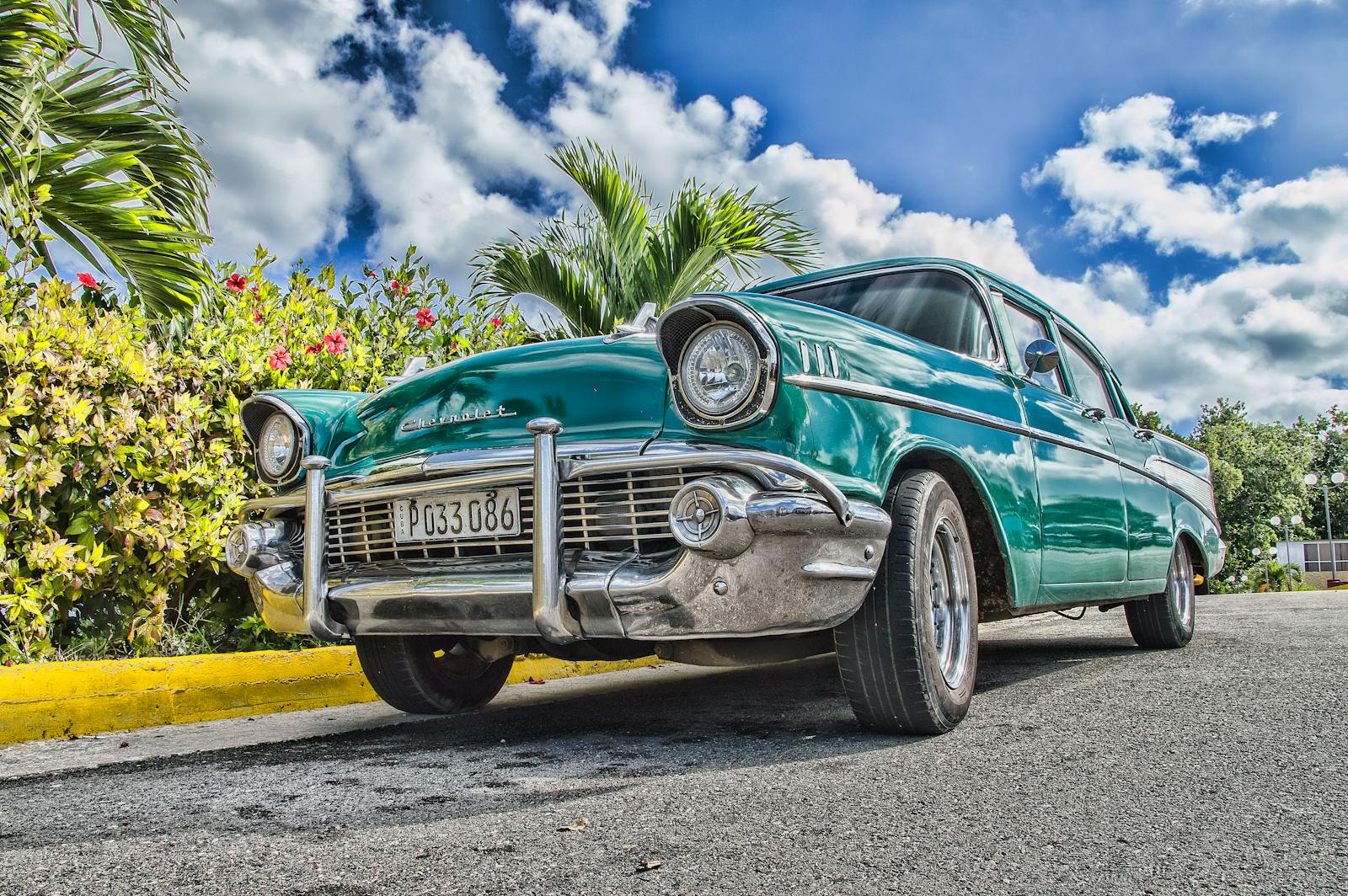
Despite their legendary status, several classic cars have gained a reputation that far exceeds their actual performance, reliability, and overall value. This phenomenon affects collectors, enthusiasts, and potential buyers, as inflated perceptions can lead to misguided investments and disappointment. Here are six classic cars that have garnered more hype than they truly deserve.
1. 1970 Chevrolet Chevelle SS
The 1970 Chevrolet Chevelle SS is often hailed as one of the greatest muscle cars of its time, but its reputation is largely inflated. While it featured a powerful V8 engine, the reality of its performance is less impressive when compared to its competitors. With only about 375 horsepower, it pales in comparison to the likes of the Ford Mustang Boss 429, which boasted around 375 horsepower yet had significantly better handling and overall drivability.
2. 1969 Dodge Charger
The 1969 Dodge Charger is another classic that has been romanticized through films and pop culture, particularly “The Dukes of Hazzard.” While its design is iconic, its performance metrics do not match the hype. The Charger struggled with handling and braking, which detracted from its appeal as a high-performance vehicle. In reality, the car’s weight distribution made it cumbersome, limiting its capabilities on the road.
3. 1980s Ferrari Testarossa
The 1980s Ferrari Testarossa is often revered as a symbol of luxury and performance, yet many enthusiasts find it underwhelming. With a top speed of around 180 mph and a 0-60 mph time of 5.2 seconds, it was indeed fast for its time. However, the car’s heavy weight and limited visibility made it less desirable for driving enthusiasts. Additionally, the cost of maintenance has led many owners to question its long-term value, making it more of a status symbol than a true performance vehicle.
4. 1974 Volkswagen Thing
With its quirky design and off-road capabilities, the 1974 Volkswagen Thing has gained a cult following. However, it is often overhyped due to its aesthetic appeal rather than its performance. The Thing’s 1.6-liter engine produces a mere 46 horsepower, which is inadequate for any serious off-road adventures. While its unique look may attract buyers, the driving experience leaves much to be desired, making it a lackluster investment in classic cars.
5. 1964 Ford Mustang
The original 1964 Ford Mustang is frequently credited with launching the pony car segment, yet its performance capabilities cannot justify the overwhelming hype surrounding it. While it was groundbreaking at its launch, the early Mustangs featured underwhelming engines that struggled to produce adequate power for serious driving enthusiasts. Many collectors overlook the fact that the later models, specifically the 1969-1970 versions, offered significantly improved performance and handling, making the earlier models less desirable in hindsight.
6. 1972 Chevrolet Camaro
The 1972 Chevrolet Camaro is often celebrated as a performance car, yet it suffered from a significant power reduction due to stricter emissions regulations. The once mighty V8 engines were less impressive, with many models producing around 145 horsepower. This decline in performance diluted the excitement that earlier models had generated. Collectors often find themselves disappointed, as the 1972 Camaro does not live up to the legacy established by its predecessors.
Conclusion: Know Before You Buy
Understanding the true value of classic cars is essential for collectors and enthusiasts alike. The market is rife with vehicles that have been overly romanticized, leading to misguided purchases and inflated prices. It is crucial for potential buyers to conduct thorough research and consider performance, reliability, and maintenance costs before making an investment.
For those interested in classic cars, staying informed about the realities behind their reputations is vital. As the classic car market continues to evolve, knowledge and awareness will ensure that buyers make smarter, more informed decisions. Don’t let the hype blind you—do your homework before your next classic car purchase.