

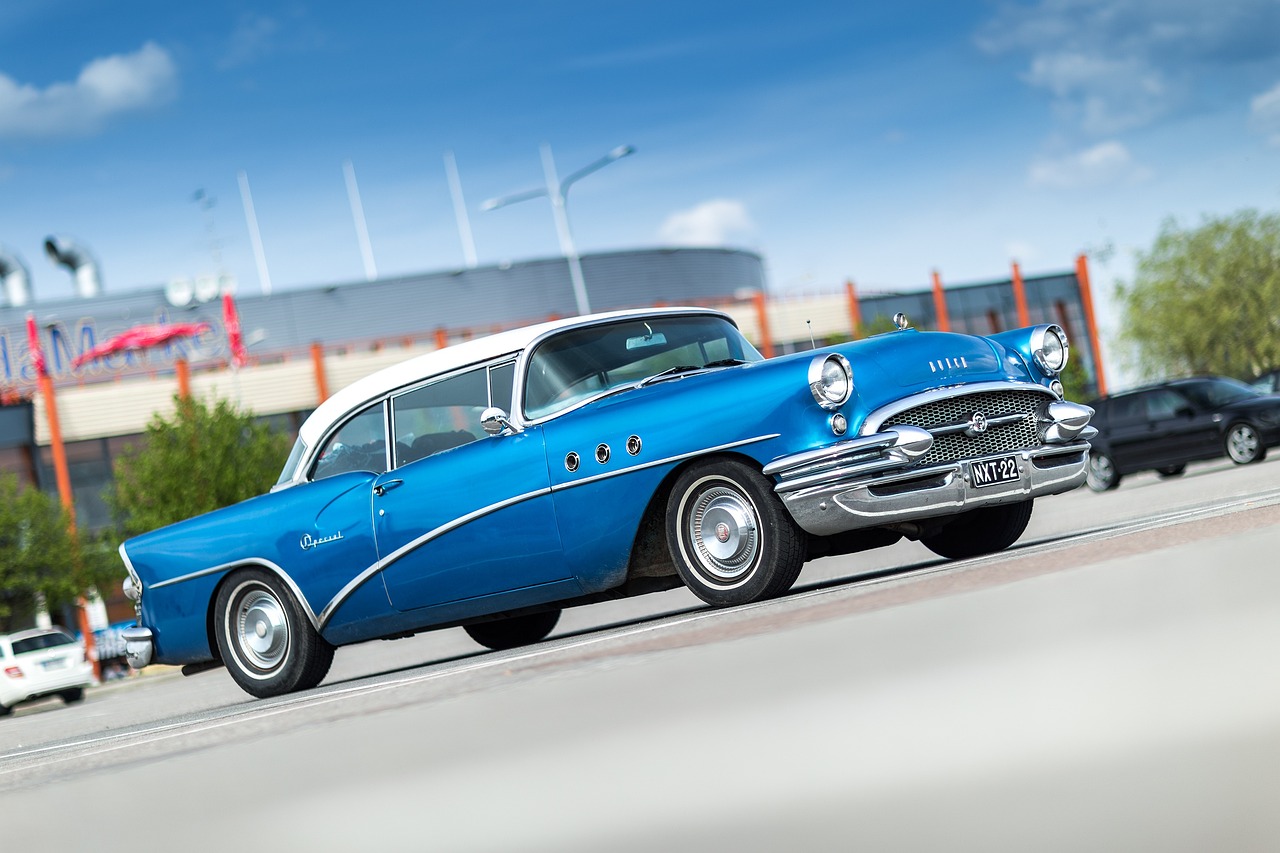
The automotive landscape of the 1960s and 1970s was profoundly shaped by a select group of vehicles that not only captivated the hearts of the Baby Boomer generation but also set the standard for automotive design and performance. These iconic cars were characterized by their style, innovation, and cultural significance, influencing generations of car enthusiasts and shaping the industry as we know it today. Understanding these vehicles is essential for appreciating the evolution of the automotive industry and the lasting impact they have had on car culture.
1. Ford Mustang (1964)
Launched in April 1964, the Ford Mustang became an instant sensation, with over 400,000 units sold in its first year. This vehicle introduced the concept of the “pony car,” a new class of American automobiles that emphasized sporty performance at an affordable price. Its long hood and short rear deck design set a template that many manufacturers would follow, making it a symbol of freedom and rebellion for a generation.
2. Chevrolet Camaro (1966)
The Chevrolet Camaro was introduced in 1966 as a direct competitor to the Ford Mustang. By 1967, Chevrolet had sold over 220,000 units, showcasing the vehicle’s popularity among young drivers. Its bold styling and impressive performance options made it an icon of American muscle, and it quickly established a loyal fan base that continues to this day.
3. Volkswagen Beetle (1960s)
The Volkswagen Beetle, originally designed in the 1930s, gained massive popularity in the 1960s, with over 1.3 million units sold in the United States alone by the end of the decade. Its unique shape and efficient design appealed to a generation that valued both economy and individuality. The Beetle became a cultural phenomenon, symbolizing the counterculture movement and the rise of environmental consciousness.
4. Pontiac GTO (1964)
Considered one of the first true muscle cars, the Pontiac GTO was introduced in 1964 and is credited with helping to launch the muscle car era. With a powerful V8 engine and a sporty design, the GTO quickly gained popularity, with sales exceeding 32,000 units in its first year. Its combination of performance and style made it a favorite among Baby Boomers looking for an exhilarating driving experience.
5. Dodge Charger (1966)
The Dodge Charger debuted in 1966 and quickly became synonymous with American muscle and performance. The 1968 model, particularly, gained fame for its appearance in the television series “The Dukes of Hazzard,” leading to a surge in popularity. By the end of the 1970s, Charger sales had surpassed 1 million units, solidifying its status as an iconic vehicle for car enthusiasts and collectors alike.
6. Chrysler Newport (1961)
The Chrysler Newport was a full-size car that embodied the design trends of the early 1960s, featuring a long, sleek body and spacious interior. It was particularly popular among families, with sales reaching 90,000 units in 1965 alone. The Newport’s combination of luxury, performance, and affordability made it a staple on American roads, appealing to the suburban lifestyle that many Baby Boomers aspired to.
7. Plymouth Barracuda (1964)
The Plymouth Barracuda was a groundbreaking vehicle that introduced the fastback design to the American market in 1964. With its distinctive styling and performance-oriented options, the Barracuda quickly gained traction among young drivers. Though production numbers were modest compared to its competitors, with roughly 23,000 units sold in its first year, the Barracuda’s legacy endures, often cited as one of the first true pony cars.
The Lasting Impact of Iconic Boomer Cars
These seven vehicles not only defined the automotive landscape of their time but also influenced the future of car manufacturing and design. Each model contributed to the evolution of automotive technology, consumer preferences, and cultural trends that resonate even today. As the Baby Boomer generation ages, the nostalgia associated with these cars continues to shape the collector’s market and inspire new generations of automotive enthusiasts.
Conclusion: The Legacy Continues
The impact of these iconic Boomer cars is undeniable, as they reflect a pivotal era in American history where cars were symbols of freedom and personal expression. As the automotive industry continues to evolve, understanding the significance of these vehicles remains crucial for appreciating the innovations and trends that followed.