

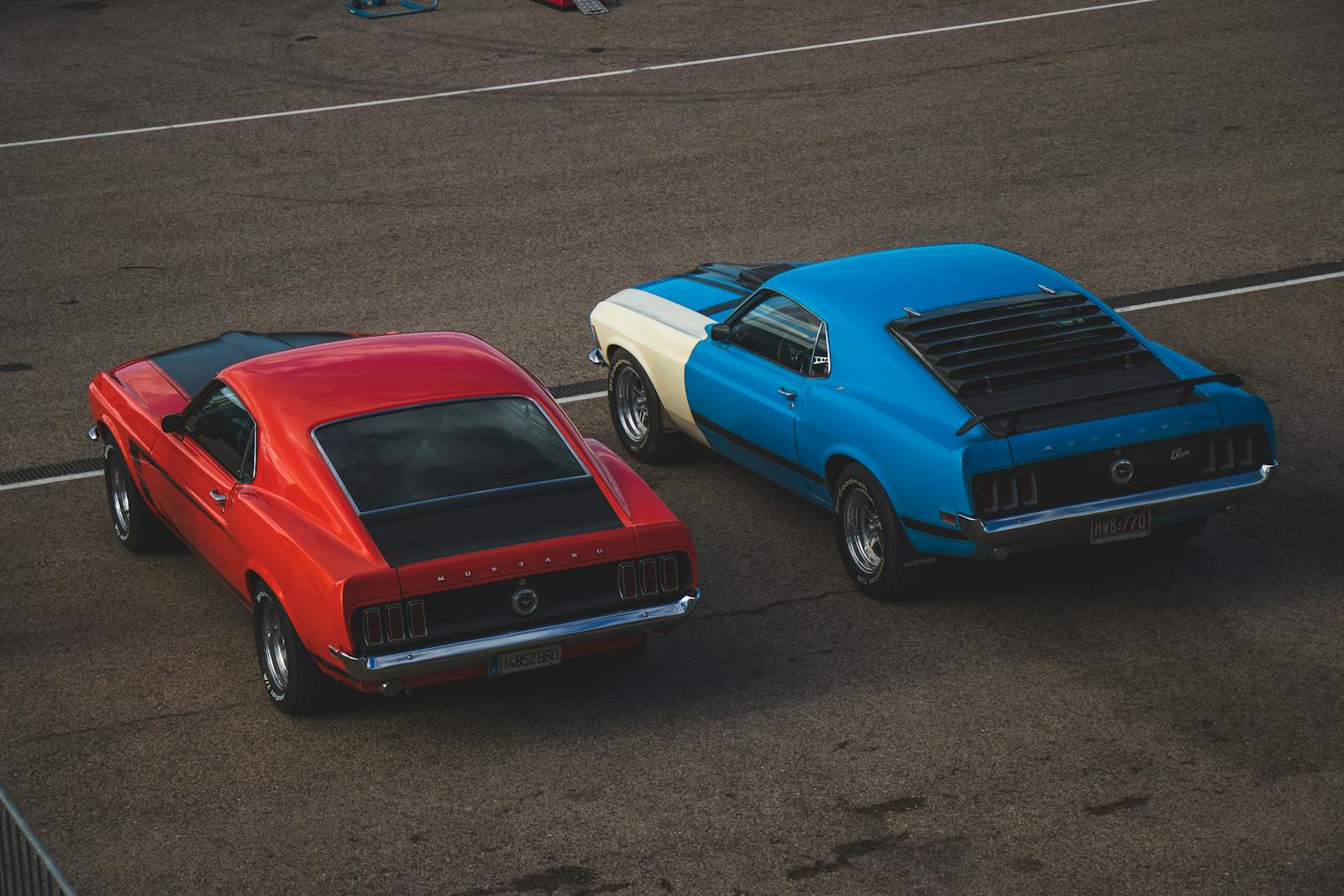
As the automotive market continues to evolve, many Baby Boomers reflect on the vehicles they once owned, often expressing regret over letting go of certain models that have become iconic over the years. This sentiment is not just nostalgia; it highlights the value and emotional connection these cars hold for a generation that witnessed significant changes in the automotive landscape. Here are six cars that Boomers wish they had kept, emphasizing their historical significance and skyrocketing value.
1. Ford Mustang (1964–1973)
The Ford Mustang, particularly models produced between 1964 and 1973, has become a symbol of American muscle and freedom. Initially priced around $2,368, these cars are now highly sought after by collectors, with well-maintained versions selling for upwards of $50,000. The Mustang’s blend of style, performance, and cultural significance makes it one of the top regrets for Boomers who let theirs slip away.
2. Chevrolet Corvette (1953–1972)
The Chevrolet Corvette has been a classic American sports car since its inception in 1953. The earlier models, especially those from the 1960s, are now considered valuable assets, fetching prices in the six-figure range at auctions. Boomers who once owned a C2 or C3 model often lament their decision to sell, as these vehicles have not only historical value but also represent a lifestyle that many wish to revisit.
3. Volkswagen Beetle (1968–1979)
With its distinctive shape and cultural impact, the Volkswagen Beetle remains one of the most recognizable cars in history. Originally sold for around $1,500, classic Beetles can now command prices between $20,000 and $30,000, depending on condition. Many Boomers recall fond memories of their Beetle’s quirky charm and reliability, making it a vehicle they often wish they had held onto.
4. Pontiac GTO (1964–1974)
The Pontiac GTO is credited with igniting the muscle car craze in the 1960s. With a starting price of just over $3,200, these cars have now become collector’s items, selling for as much as $80,000 at auction. Boomers who let go of their GTOs often regret parting with a piece of automotive history that defined a generation.
5. Dodge Charger (1966–1978)
The Dodge Charger gained fame as a powerful muscle car, particularly with its iconic design and performance features. Early models were priced around $3,100, but today they can command prices exceeding $100,000 for pristine examples. Boomers who once owned a Charger frequently express regret, particularly as the vehicle’s popularity has surged in recent years, further cementing its status as a classic.
6. Jeep Wrangler (1987–1995)
The Jeep Wrangler, especially models from 1987 to 1995, is known for its ruggedness and off-road capabilities. Originally priced around $12,000, well-maintained Wranglers can now sell for up to $30,000 or more, especially among outdoor enthusiasts. Many Boomers who sold their Wranglers find themselves wishing they had held onto these versatile vehicles that embody adventure and freedom.
Why It Matters
The emotional and financial implications of selling classic cars resonate with many Baby Boomers who are now entering retirement. As they look back, the regret is often tied not only to financial loss but also to the memories associated with these vehicles. With the classic car market booming—reportedly growing at a rate of 10% annually—Boomers are increasingly aware of the value of their past choices.
The Growing Classic Car Market
According to the Hagerty Price Guide, classic cars have seen a significant appreciation in value, with some models doubling or tripling in price over the past decade. This trend reinforces the idea that keeping a classic car can be a wise investment. For Boomers, re-evaluating past decisions about their vehicles could lead to both sentimental and financial advantages.
Conclusion: A Call to Action
For Baby Boomers reflecting on the cars they once owned, the regret of letting go can be a powerful reminder of the value these vehicles hold—both emotionally and financially. As the classic car market continues to thrive, those who still own models from these eras should consider maintaining their vehicles as valuable assets. For those who have sold, sharing stories and memories can help keep the spirit of these iconic cars alive. Don’t let nostalgia fade;