

The automotive industry has seen numerous iconic vehicles that have left a lasting impact on society, culture, and technology. Seven cars, in particular, have significantly influenced an entire generation, reshaping consumer preferences, driving innovations, and altering the landscape of the automotive market. Understanding these vehicles is crucial for appreciating how they have set the stage for modern driving experiences.
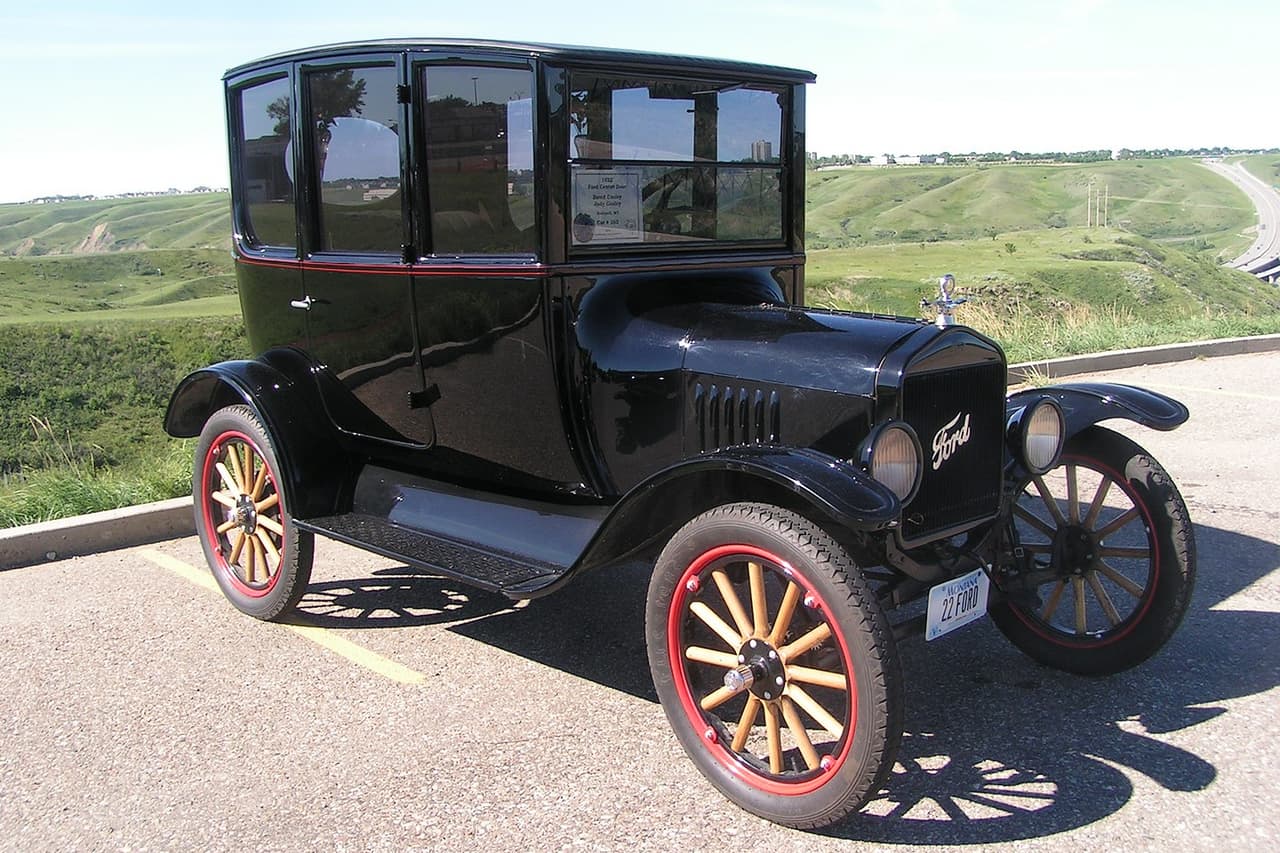
1. Ford Model T (1908)
The Ford Model T revolutionized the automobile industry by making cars accessible to the average American. With a price tag of around $850 in 1908, it was the first mass-produced vehicle, thanks to Henry Ford’s assembly line techniques. By the end of its production in 1927, over 15 million units had been sold, drastically changing transportation and contributing to the growth of suburban America.
2. Volkswagen Beetle (1938)
Initially conceived as a “people’s car,” the Volkswagen Beetle became a symbol of the counterculture movement in the 1960s. Known for its distinctive shape and affordability, it sold over 21 million units worldwide by 2003. The Beetle’s compact design and fuel efficiency made it a favorite among young drivers, influencing automotive design for decades.
3. Chevrolet Corvette (1953)
Launched as America’s first true sports car, the Chevrolet Corvette set the standard for performance and style. With its fiberglass body and V8 engine, the Corvette captured the essence of American muscle and became an icon of speed and luxury. By 2020, nearly 1.75 million Corvettes had been produced, solidifying its status as a cultural phenomenon.
4. Honda Civic (1972)
The Honda Civic emerged during the oil crisis of the 1970s, meeting consumer demand for fuel-efficient vehicles. Its compact size and reliability made it the go-to car for many first-time buyers. By 2021, Honda had sold more than 12 million Civics in North America alone, establishing it as one of the best-selling cars in history and a staple of urban commuting.
5. Toyota Prius (1997)
As the first mass-produced hybrid vehicle, the Toyota Prius revolutionized the automotive industry by popularizing eco-friendly technology. With a combined fuel economy of up to 56 miles per gallon, the Prius appealed to environmentally conscious consumers. By 2020, over 6 million Priuses had been sold globally, paving the way for a new era of sustainable driving.
6. Tesla Model S (2012)
The Tesla Model S introduced electric vehicles (EVs) to the luxury market, showcasing that electric cars could offer performance, range, and technology on par with traditional gasoline vehicles. With a range of over 370 miles and a 0-60 mph time of as little as 2.4 seconds, the Model S redefined consumer expectations for EVs. As of 2023, Tesla had delivered more than 1 million Model S vehicles, significantly impacting the shift toward sustainable transportation.
7. Ford F-150 (1975-Present)
The Ford F-150 has been America’s best-selling vehicle for over four decades, defining the full-size pickup truck category. Known for its durability, versatility, and capability, the F-150 consistently sells over 700,000 units annually. Its influence extends beyond sales numbers, as it has become a cultural staple for American families and businesses alike, impacting everything from work to leisure activities.
Conclusion
These seven vehicles have not only transformed the automotive landscape but have also shaped societal norms, consumer behaviors, and technological advancements. From the economical Ford Model T to the environmentally friendly Toyota Prius, each car represents a significant milestone in automotive history. Consumers today continue to feel the ripple effects of these innovations, making it essential to recognize their contributions to modern driving culture.
As the automotive industry continues to evolve, staying informed about these influential vehicles can help consumers make educated choices about their next car purchase. Understanding the legacy of these iconic models is not just about nostalgia; it’s about appreciating how far we’ve come and where we are headed. For anyone considering a new vehicle, it’s crucial to reflect on the past and look toward the future. Explore your options and choose wisely!