

The automotive industry continues to draw inspiration from classic cars as manufacturers strive to blend nostalgia with modern technology. This connection not only appeals to car enthusiasts but also drives sales and brand loyalty among consumers who appreciate heritage in design. Here, we explore six iconic vehicles that have significantly influenced contemporary automotive design and remain relevant in today’s market.
1. Ford Mustang (1964)
The Ford Mustang, introduced in 1964, is often credited with creating the “pony car” segment. Its long hood and short rear deck design have inspired numerous modern muscle cars, including the current Ford Mustang models. In 2021, the Mustang sold over 61,000 units in the U.S., showcasing the enduring appeal of its classic styling combined with modern performance capabilities.
2. Chevrolet Corvette (1963)
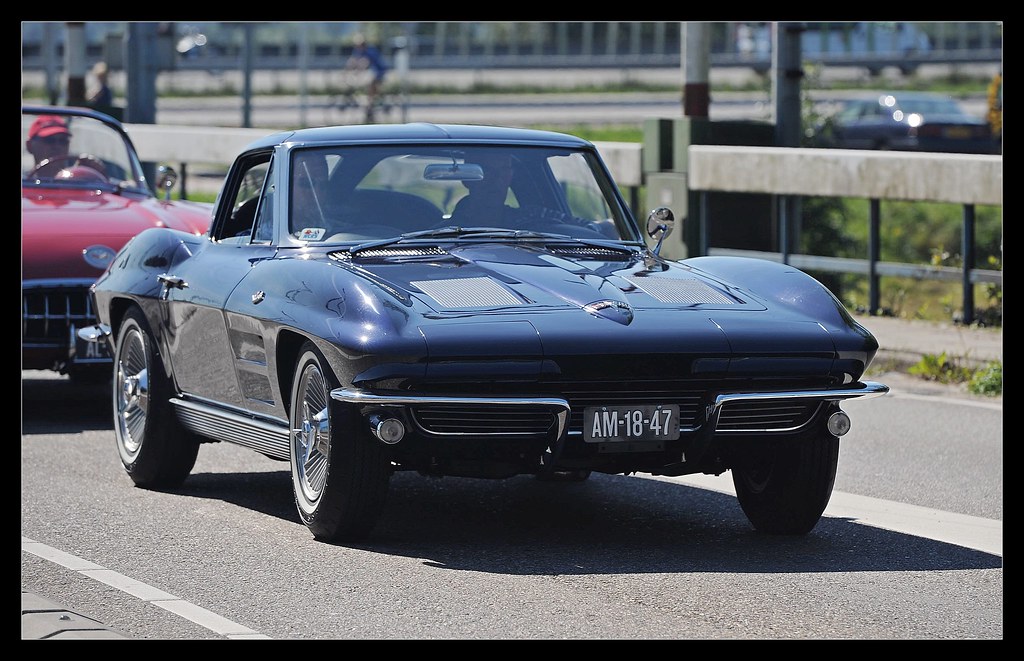
The 1963 Chevrolet Corvette, particularly its split-window coupe design, has become a classic emblem of American automotive excellence. The sleek lines and aggressive stance of this model set a standard for future sports cars. The latest Corvette, the C8, draws heavily on these classic aesthetics while incorporating cutting-edge technology, including a mid-engine layout that enhances performance, making it a favorite among car enthusiasts and collectors alike.
3. Volkswagen Beetle (1938)
The Volkswagen Beetle, first produced in 1938, is one of the best-selling cars in history, with over 21 million units sold worldwide. Its distinctive rounded shape and simple design continue to influence compact cars today. The modern iteration of the Beetle, produced until 2019, retained many of the original’s design cues while integrating contemporary features and technologies, appealing to a new generation of drivers.
4. Porsche 911 (1964)
Since its debut in 1964, the Porsche 911 has established itself as a benchmark for sports car design. Its iconic silhouette, characterized by a sloping roofline and round headlights, remains virtually unchanged, a testament to its timeless appeal. The latest models incorporate advanced technologies, including hybrid options, while still paying homage to the classic design elements that have made the Porsche 911 a symbol of performance and luxury.
5. Mini Cooper (1961)
The original Mini Cooper, launched in 1961, redefined compact cars with its innovative use of space and distinctive design. Its squat proportions and cheerful appearance have made it a favorite among urban drivers. The modern Mini Cooper, redesigned in the early 2000s, captures the spirit of the original while offering modern amenities and performance options, ensuring its place in the hearts of car lovers and city dwellers alike.
6. Jaguar E-Type (1961)
The Jaguar E-Type, often hailed as one of the most beautiful cars ever made, debuted in 1961. Its long hood and curvaceous body have influenced luxury sports cars for decades. The stunning design of the E-Type continues to inspire brands like Aston Martin and Ferrari, and Jaguar’s recent models reflect this heritage while integrating modern aerodynamics and technology that appeal to today’s consumers.
The Impact of Classic Design on Modern Cars
These classic cars have not only shaped the aesthetics of modern vehicles but have also influenced engineering and performance standards. The blend of nostalgia and innovation attracts a diverse customer base, from collectors to everyday drivers looking for a vehicle with character. With the automotive market projected to grow at a compound annual growth rate of 4.5% from 2021 to 2028, the influence of these classic designs will likely continue to shape future models.
Why It Matters
Understanding the relationship between classic and modern designs is crucial for consumers and industry stakeholders alike. As manufacturers strive to balance innovation with tradition, the cars that resonate with consumers often find success in the marketplace. The continued fascination with classic models underscores the importance of heritage in the automotive industry, influencing new generations of car buyers and shaping the future of vehicle design.
Call to Action
As the automotive landscape evolves, it’s essential for consumers to recognize the impact of classic designs on modern vehicles. Whether you are a collector, a casual driver, or simply an automotive enthusiast, consider how these timeless cars continue to shape the industry today. Stay informed about the latest releases and trends in automotive design by following industry news and engaging with your local car communities.