

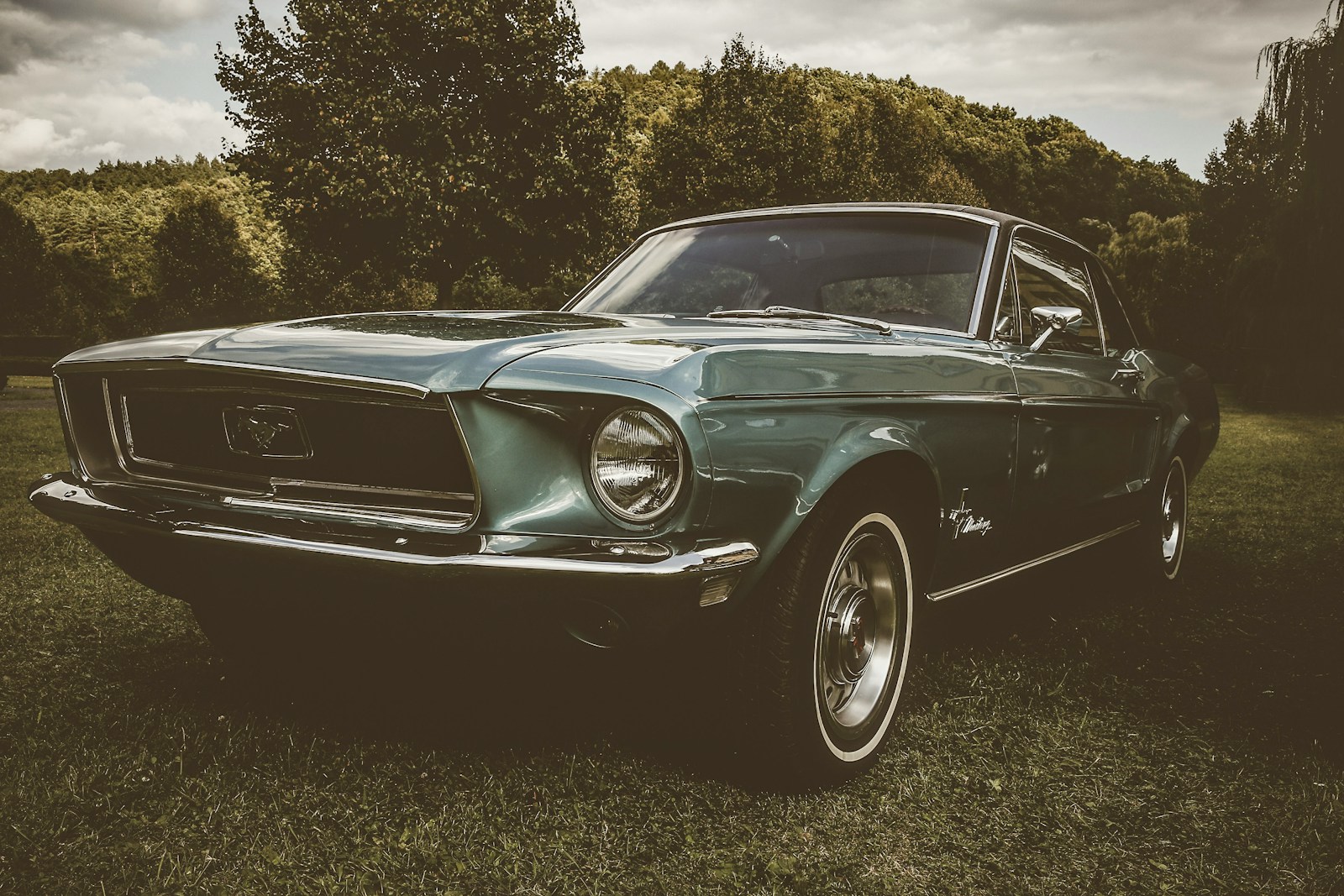
The automotive world is filled with vehicles that have shaped the industry and defined generations, and certain “boomer” cars have cemented their status as cultural icons. These vehicles, popularized during the Baby Boomer generation from the late 1940s to the early 1960s, continue to resonate with enthusiasts and collectors today. Their designs, performance, and historical significance ensure they remain unforgettable symbols of American automotive history.
1. Ford Mustang (1964)
Launched in April 1964, the Ford Mustang revolutionized the automotive landscape by introducing the pony car segment. With a base price of around $2,368, the Mustang appealed to a younger demographic, offering style and performance at an accessible price. Over the years, it has sold over 10 million units and remains a symbol of freedom and rebellion, capturing the spirit of the 1960s. The Mustang’s status is further solidified by its regular appearances in popular media, including films and television shows.
2. Chevrolet Corvette (1953)
The Chevrolet Corvette debuted in 1953 as America’s first true sports car, crafted from fiberglass and priced at $3,498. Its sleek design and powerful V8 engine quickly garnered attention, allowing it to become a staple in American car culture. With over 1.7 million units sold since its inception, the Corvette has evolved through multiple generations, but its core essence remains intact: a symbol of speed and luxury. The car’s racing pedigree and distinct design have made it a perennial favorite among collectors and enthusiasts alike.
3. Volkswagen Beetle (1938-2003)
Although it was originally designed in the late 1930s, the Volkswagen Beetle gained immense popularity during the 1960s, becoming a symbol of the counterculture movement. With over 21 million units produced worldwide, the Beetle’s quirky design and affordability made it accessible to millions, especially in the United States. Its distinctive rounded shape and rear-engine layout have made it an enduring icon, and it remains one of the best-selling cars of all time. The Beetle’s cultural impact can still be seen in modern design and automotive marketing.
4. Dodge Charger (1966)
The Dodge Charger entered the market in 1966 as a fastback coupe, quickly becoming synonymous with power and performance. With a starting price around $3,100, it appealed to consumers looking for a muscle car that offered both style and speed. The Charger became a cornerstone of American car culture, particularly after its prominent role in films like “Bullitt” and the “Fast & Furious” franchise. With significant sales numbers, especially during the muscle car craze of the late 1960s and early 1970s, the Charger remains a sought-after classic today.
5. Pontiac GTO (1964)
The Pontiac GTO is often credited with launching the muscle car era when it debuted in 1964. With a starting price of around $2,500, it combined a powerful V8 engine with lightweight construction, allowing it to dominate the streets. The GTO’s popularity skyrocketed, leading to sales exceeding 500,000 units in its first few years. Its aggressive styling and performance have made it a legendary figure in automotive history, and it continues to be celebrated at classic car shows and in automotive circles.
Conclusion
The legacy of these five boomer cars extends beyond their production years, as they continue to influence automotive design and culture. Collectors and enthusiasts often seek these iconic vehicles, with prices for restored models reaching into the hundreds of thousands of dollars. Their significance is not just in their performance and design but also in their ability to evoke nostalgia and represent the ideals of their time. As the automotive industry evolves, these classic cars will remain timeless icons that remind us of an era defined by innovation and style.
As automotive enthusiasts and collectors continue to seek out these iconic vehicles, it’s important to appreciate their historical significance and cultural impact. Whether you own one, aspire to, or simply admire from afar, these boomer cars symbolize a powerful chapter in automotive history that will not be forgotten. If you’re interested in classic cars or looking to expand your collection, now is the time to act—these icons are not just cars; they are pieces of history.