

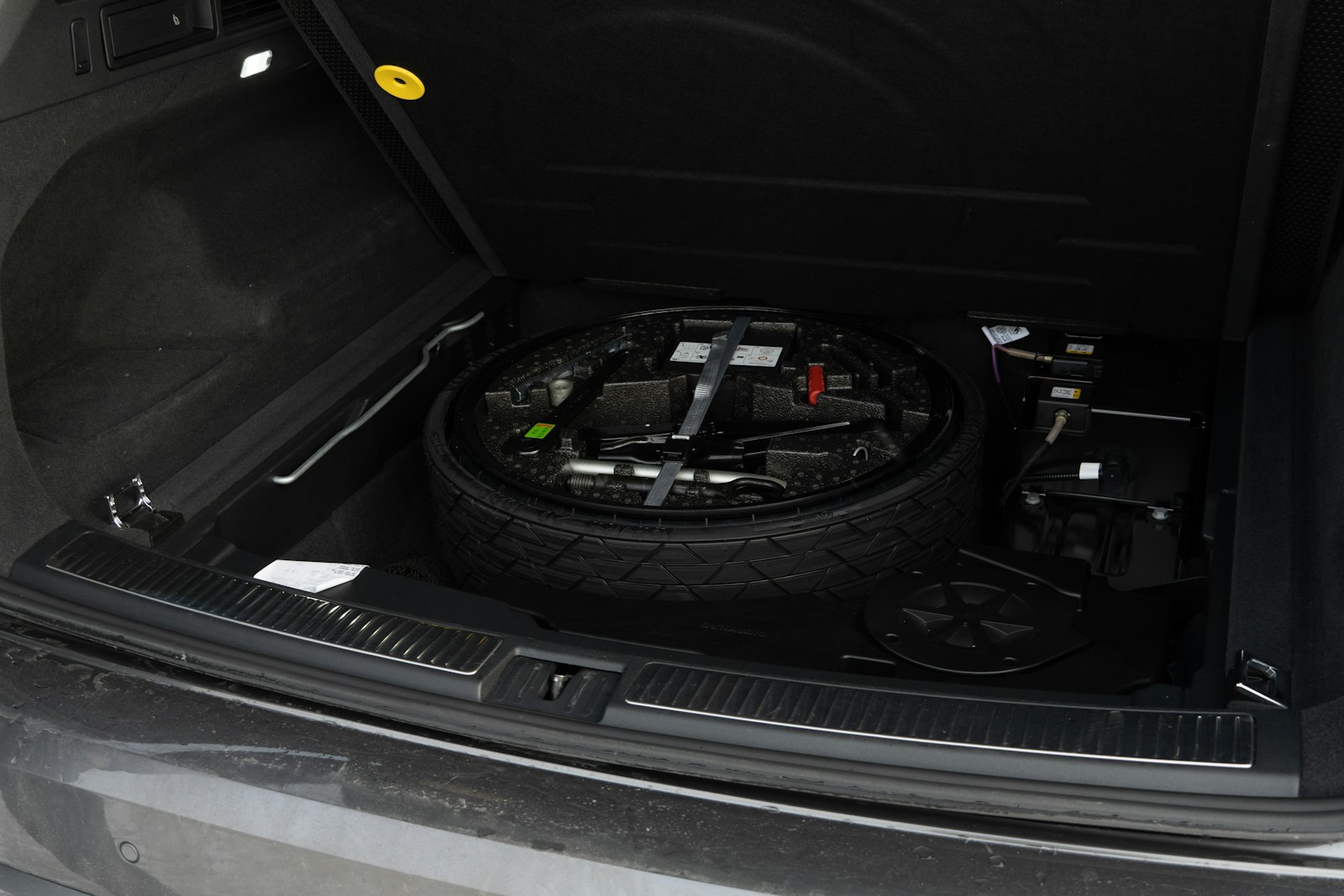
In recent years, an increasing number of new vehicles are being sold without traditional spare tires, affecting millions of drivers who may find themselves unprepared for roadside emergencies. Automotive manufacturers are opting for alternatives such as tire repair kits and inflators, citing reasons such as weight reduction and cost savings. This shift in design raises important questions about safety and convenience for consumers.
Manufacturers’ Shift to Tire Repair Kits
Many major car manufacturers, including Honda, Ford, and Tesla, have transitioned to equipping their vehicles with tire repair kits instead of full-size spare tires. For instance, the 2021 Honda Civic and the 2022 Ford Mustang no longer come with a spare but include a tire repair kit that consists of sealant and an air compressor. This change is part of a broader trend in the automotive industry aimed at reducing vehicle weight and improving fuel efficiency, as every extra pound can have an impact on gas mileage.
Cost Considerations and Consumer Savings
From a financial perspective, manufacturers also cite significant savings as a reason for this shift. A full-size spare tire can cost upwards of $200, not including the additional expenses associated with storage space and the weight that affects fuel economy. By eliminating the spare tire, companies claim they can lower production costs and pass some of these savings on to consumers, potentially making vehicles more affordable.
Safety Concerns and Consumer Preparedness
However, this trend has raised safety concerns among consumers and automotive safety experts. Without a spare tire, drivers may find themselves stranded longer during flat tire incidents, which can lead to dangerous situations, especially in remote areas or during inclement weather. Statistics from the National Highway Traffic Safety Administration (NHTSA) indicate that over 200,000 tire-related accidents occur annually in the United States, which emphasizes the importance of being prepared for such emergencies.
Changing Consumer Preferences
Consumer preferences have also evolved, with many drivers favoring lightweight vehicles and advanced technology over traditional features. For instance, the adoption of run-flat tires, which can sustain limited driving after a puncture, is on the rise. However, these tires can be more expensive to replace and may not provide the same level of comfort as standard tires. This shift raises concerns about whether consumers are fully informed about the trade-offs involved in foregoing a spare tire.
Regulatory and Industry Trends
The automotive industry is also influenced by regulations aimed at reducing carbon emissions. The U.S. government has set ambitious targets to cut greenhouse gas emissions from vehicles, prompting manufacturers to seek ways to improve fuel efficiency. Eliminating the spare tire is one of many strategies employed to meet these standards, placing environmental considerations at the forefront of design decisions.
Examples of Models Without Spare Tires
Several popular models now come without a spare tire. The 2021 Tesla Model 3, the 2022 BMW X3, and the 2020 Chevrolet Corvette are just a few examples where manufacturers have opted for tire repair kits instead. These vehicles often come equipped with advanced technology that promises to assist drivers in the event of a flat tire, but the reliance on these systems can leave drivers feeling vulnerable.
The Importance of Being Prepared
As the automotive landscape continues to evolve, it is crucial for consumers to remain aware of the implications of these design changes. Drivers should consider investing in portable tire inflators or roadside assistance plans to mitigate the risks associated with not having a spare tire. Additionally, taking proactive measures, such as regularly checking tire pressure and maintaining proper tire health, can help prevent flat tires in the first place.
Conclusion: Stay Informed and Prepared
The move away from traditional spare tires may appeal to manufacturers looking to cut costs and meet regulatory standards, but it poses challenges for consumers regarding safety and preparedness. As more new cars hit the market without real spare tires, drivers must adapt to this new reality. It is imperative to stay informed about vehicle features and ensure that you are prepared for the unexpected. Before purchasing your next vehicle, consider your options carefully and invest in solutions that can keep you safe on the road.