

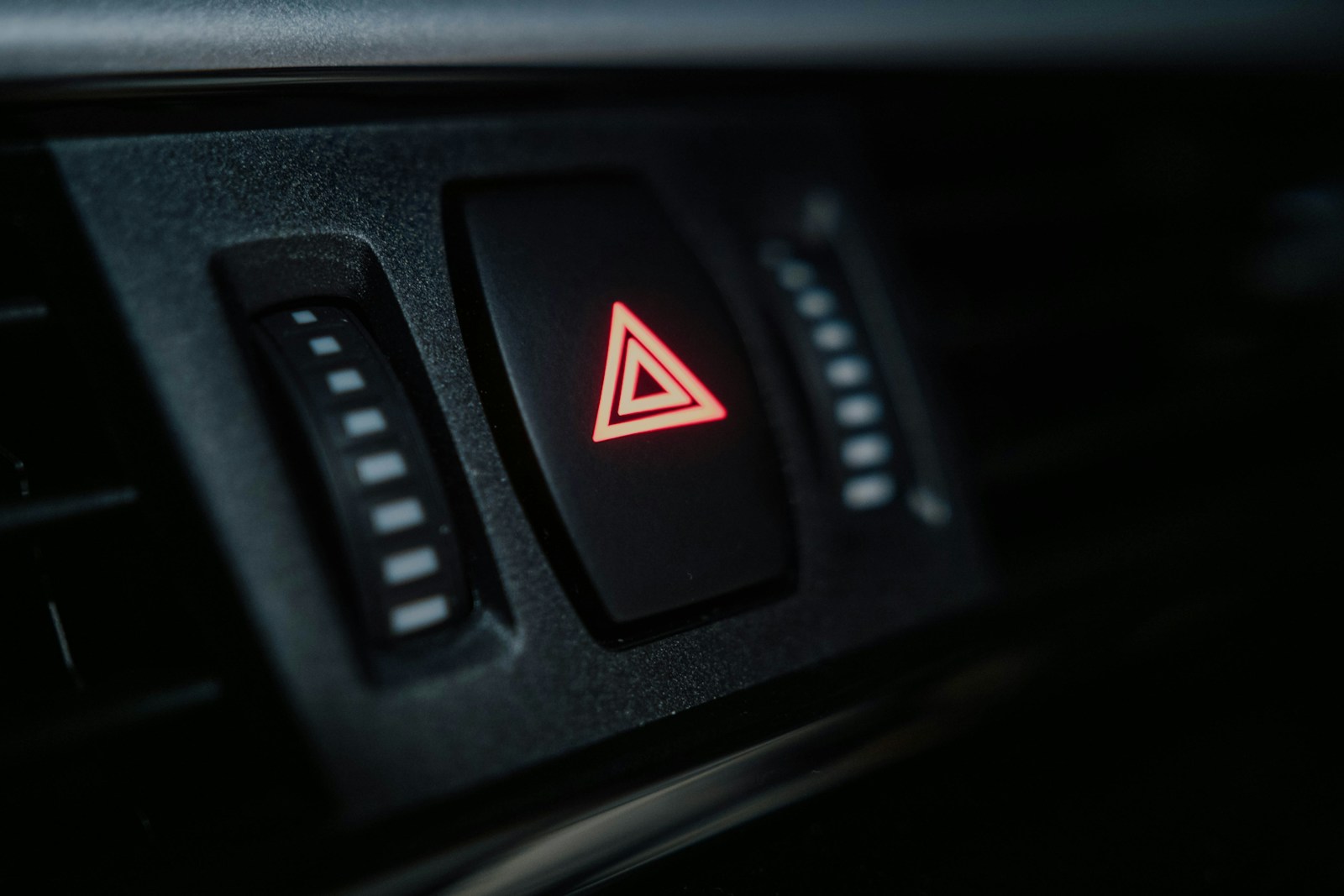
The triangle button found on many modern vehicle dashboards, often referred to as the hazard light button, plays a crucial role in road safety by alerting other drivers to potential dangers. This feature, standard in most vehicles produced after 2000, allows drivers to signal emergencies, but many remain unaware of its full functionality and importance. Understanding how and when to use this button can significantly enhance safety on the road for both the driver and other motorists.
What the Triangle Button Does
The triangle button activates the vehicle’s hazard lights, which cause all four turn signal lights to blink simultaneously. This feature is primarily used to indicate to other drivers that the vehicle is in distress or that there is a situation that requires caution. When activated, the hazard lights serve as a warning signal to nearby drivers, helping prevent accidents in situations where a vehicle may be stalled, parked unexpectedly on the roadside, or involved in an accident.
Common Situations for Use
There are several key scenarios where activating the hazard lights is not only recommended but often legally required. For instance, if a vehicle breaks down on a busy highway, engaging the hazard lights can alert drivers to the presence of a stationary vehicle. According to the National Highway Traffic Safety Administration (NHTSA), approximately 700,000 vehicles experience breakdowns on U.S. roads each year, making the proper use of hazard lights essential for safety.
Additionally, drivers should use hazard lights when temporarily stopping in a lane of traffic or when experiencing a medical emergency that requires pulling over. In some states, using hazard lights while parked on the shoulder of the road is mandated by law, emphasizing their importance in preventing accidents.
Understanding the Legalities
While the use of hazard lights is generally accepted, the laws governing their use can vary from state to state. For example, in California, it’s illegal to use hazard lights while driving, except in certain circumstances, such as when you are in a funeral procession or if you are experiencing a mechanical failure. On the other hand, states like Florida allow the use of hazard lights while driving, provided that it does not impede traffic. Before relying on hazard lights as a warning signal, drivers should familiarize themselves with local laws to avoid fines or penalties.
Potential Risks of Misuse
Misusing hazard lights can create confusion among other drivers and potentially lead to accidents. For instance, using hazard lights while driving in poor weather conditions may mislead other drivers into thinking the vehicle is unable to continue safely, leading to sudden lane changes and unexpected maneuvers. The NHTSA advises that while hazard lights can be helpful, they should not replace safe driving practices or be used as a substitute for turn signals when changing lanes or turning.
Modern Developments and Features
In addition to the traditional functionality, many newer vehicle models have integrated advanced features related to hazard lights. For example, the 2022 Honda CR-V and the 2021 Toyota RAV4 come equipped with automatic hazard light activation, which engages the lights when sudden braking occurs at high speeds. This feature is designed to alert following vehicles of a sudden stop, further enhancing road safety in emergencies.
Moreover, some models like the 2022 Tesla Model 3 allow drivers to control hazard lights through their mobile app, providing additional convenience when parked. As technology continues to evolve, manufacturers are likely to introduce even more intuitive systems for hazard light activation, making it easier for drivers to communicate their intentions on the road.
Conclusion: Stay Informed and Stay Safe
The triangle button on your dashboard is more than just a decorative feature; it is a vital component for road safety. Understanding how and when to use hazard lights can help prevent accidents and ensure your safety and that of others. With thousands of vehicles encountering roadside emergencies each year, it is crucial for all drivers to be informed about the proper use of hazard lights.
As vehicle technology progresses, staying updated on these features will not only enhance your driving experience but can also save lives. Make it a point to familiarize yourself with your vehicle’s hazard light functionality and local laws regarding their use. In an emergency, a simple press of the triangle button could make all the difference.