

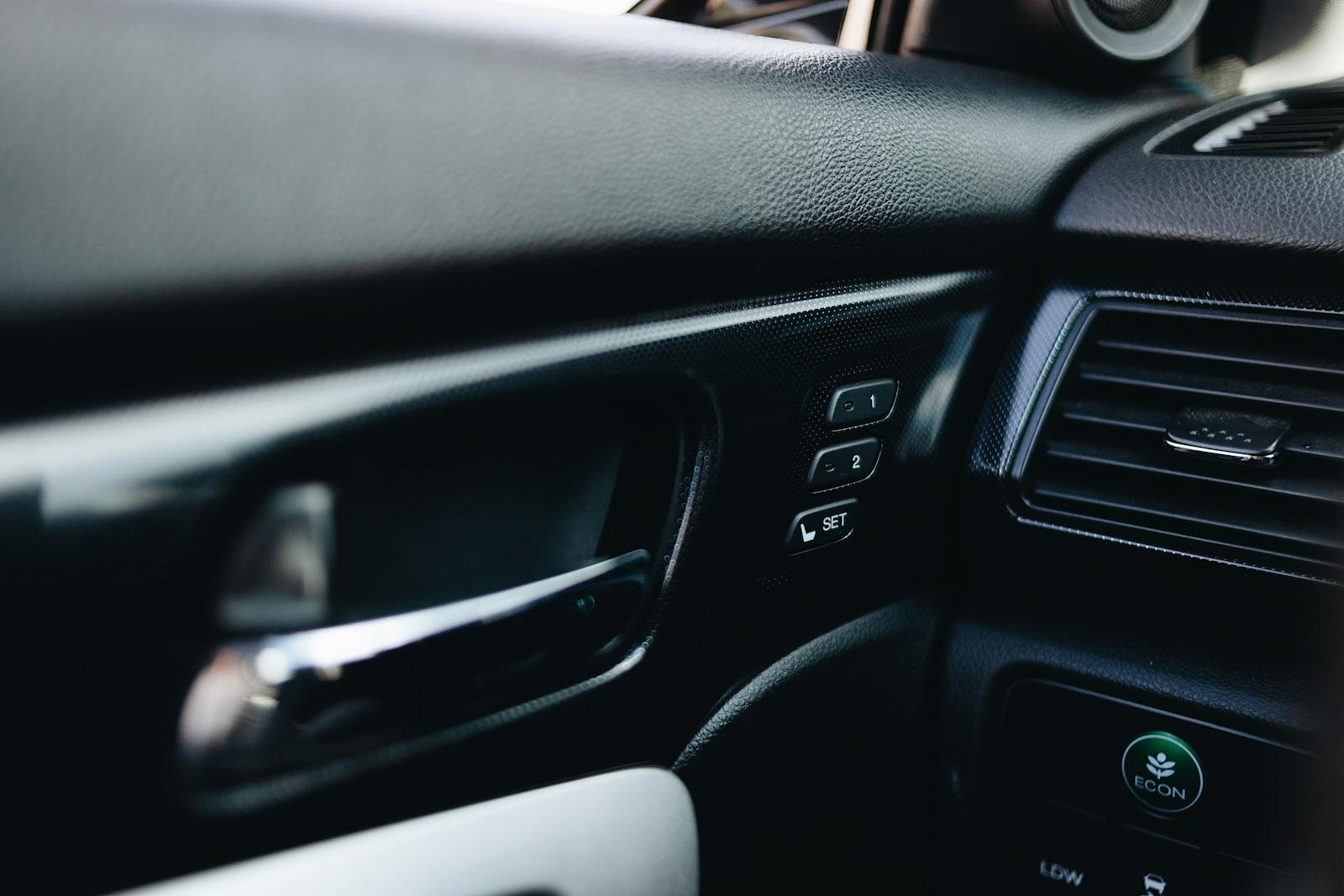
The “ECO Mode” button found in many modern vehicles is designed to enhance fuel efficiency, but its actual impact on driving performance and fuel savings can vary significantly among different models and driving conditions. Understanding what this feature does is crucial for car owners, especially as fuel prices hover around $4.00 per gallon in many regions, affecting household budgets and environmental concerns alike.
Understanding ECO Mode
ECO Mode, short for “Economy Mode,” is a feature integrated into various vehicles to optimize fuel consumption. When activated, it modifies the car’s performance settings to prioritize efficiency over speed. This can include adjustments to the engine’s throttle response, transmission shift points, and even air conditioning usage. For example, in the 2022 Honda Accord, activating ECO Mode softens the throttle response and extends the time between gear shifts, aiming to conserve fuel without significantly sacrificing driving comfort.
How Does It Work?
ECO Mode functions by altering several key parameters of the vehicle’s operation. First, it typically reduces the engine’s power output, which can lead to slower acceleration. While this may feel sluggish to some drivers, the trade-off is increased fuel economy. Additionally, the vehicle’s computer may also limit the use of auxiliary systems, such as air conditioning, which can draw significant power and decrease fuel efficiency. According to the EPA, vehicles equipped with ECO Mode can see fuel economy improvements of up to 15% under ideal conditions.
Performance Trade-offs
While the fuel savings can be appealing, the performance trade-offs associated with ECO Mode should not be overlooked. In many cases, drivers may find the reduced acceleration response frustrating, especially when merging onto highways or navigating through city traffic. For instance, the 2021 Ford Explorer’s ECO Mode can make the vehicle feel less responsive, which might not suit all driving styles or conditions. It’s essential for owners to evaluate their typical driving scenarios before relying on this feature consistently.
Real-World Fuel Savings
Fuel savings in ECO Mode can vary widely based on driving habits and environmental factors. According to an analysis by the U.S. Department of Energy, real-world savings can be influenced by driving speed, traffic conditions, and even the terrain. For instance, drivers who frequently travel on highways may see more pronounced benefits from ECO Mode compared to those who primarily drive in stop-and-go city traffic. In practical terms, a driver of a 2020 Toyota Camry might save approximately $400 annually in fuel costs by regularly using ECO Mode, depending on local fuel prices and driving patterns.
Comparative Analysis Across Models
Different car manufacturers implement ECO Mode in various ways, leading to disparities in effectiveness. For example, the 2022 Volkswagen Jetta’s ECO Mode not only adjusts throttle response but also modifies air conditioning settings, allowing for more significant fuel savings compared to other vehicles. On the other hand, some models, like the 2021 Chevrolet Malibu, might offer only minimal adjustments that do not significantly impact fuel economy. Understanding these differences can help consumers make informed decisions regarding their vehicle purchases.
Limitations of ECO Mode
ECO Mode is not a one-size-fits-all solution for fuel efficiency. It is most effective in specific driving scenarios, such as steady highway speeds, and may not yield substantial benefits in stop-and-start conditions or aggressive driving. Additionally, factors like tire pressure, vehicle weight, and maintenance can all affect fuel economy. Drivers should be aware that relying solely on ECO Mode may not compensate for a poorly maintained vehicle or adverse weather conditions, which can negate potential savings.
Consumer Awareness and Future Trends
As fuel prices continue to fluctuate, consumer awareness regarding features like ECO Mode is increasingly important. Manufacturers are responding to the demand for more fuel-efficient vehicles, with many new models integrating advanced technologies such as hybrid and electric options. The trend towards sustainability is evident, as automakers aim to meet stricter emissions regulations and consumer expectations for eco-friendly transportation.
Conclusion: Make an Informed Choice
Understanding what ECO Mode does—and its limitations—can help car owners make informed decisions that align with their driving habits and fuel economy goals. With fuel prices remaining high and environmental concerns at the forefront, utilizing this feature effectively can lead to monetary savings and reduced carbon footprints. Car owners should experiment with ECO Mode to see how it affects their driving experience and consider it as one tool among many for optimizing fuel efficiency.
As you navigate the complexities of modern driving, take a moment to evaluate how your vehicle’s ECO Mode can work for you. Test it out on different routes