

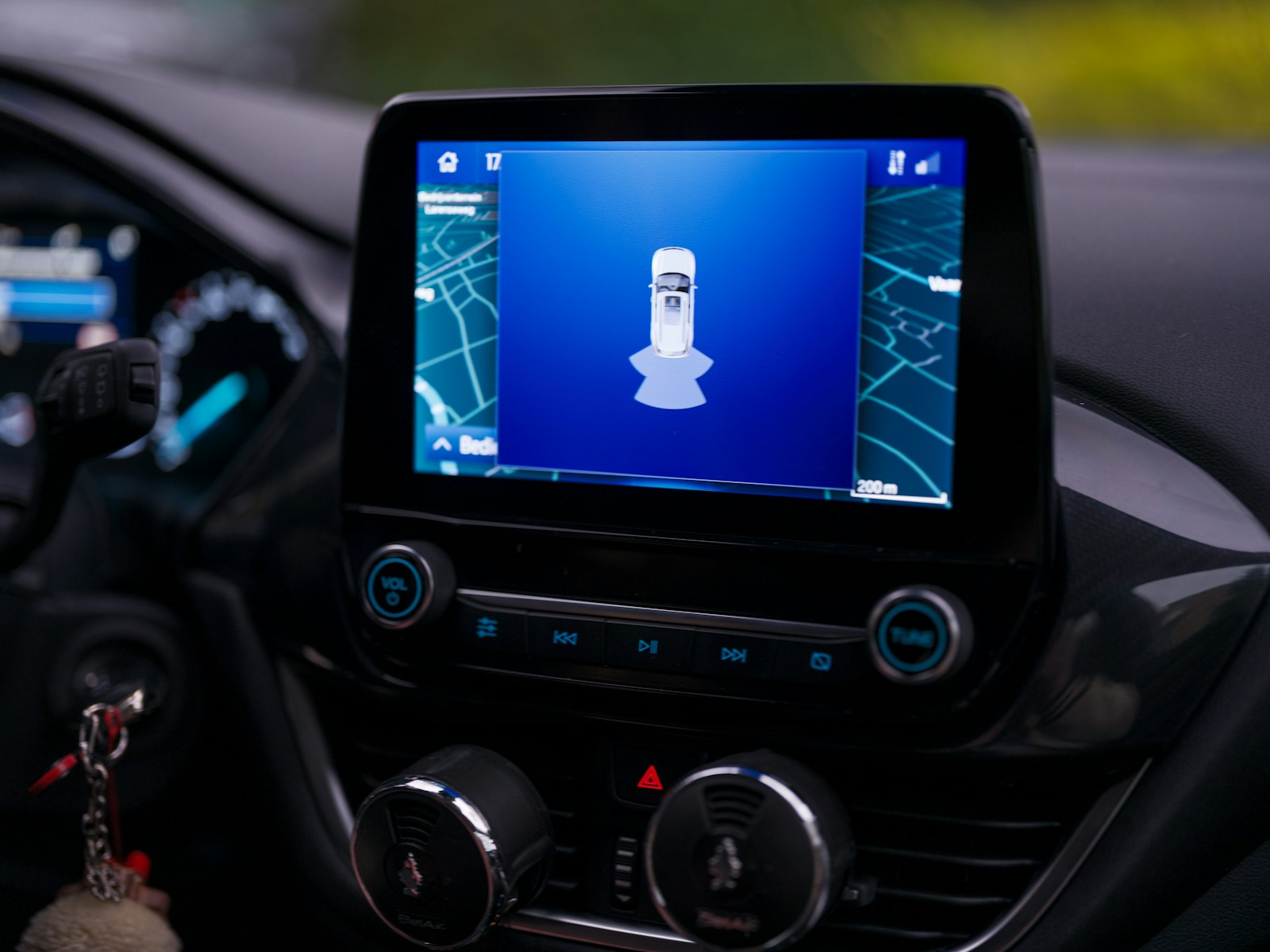
Many drivers are discovering that backup cameras, a staple in modern vehicles, can become dirty and ineffective almost immediately after cleaning. This issue affects millions of vehicles equipped with these cameras, leading to potential safety hazards and inconvenience for drivers who rely on them for parking and reversing.
Understanding the Problem
Backup cameras are designed to provide a clear view of the area behind a vehicle, significantly improving safety during maneuvers. However, real-world usage reveals that these cameras often get dirty quickly, obscuring the view that drivers depend on. Various factors contribute to this phenomenon, including environmental conditions, design flaws, and the position of the cameras themselves.
Environmental Factors
The location of a backup camera plays a crucial role in its susceptibility to dirt and debris. Most cameras are situated near the vehicle’s rear bumper, making them vulnerable to mud, water, and road grime kicked up by the tires. According to a 2022 survey by the automotive safety organization IIHS, over 60% of drivers reported that their backup cameras do not stay clean under normal driving conditions.
Additionally, weather conditions such as rain, snow, or dust storms exacerbate the issue. In regions with frequent precipitation, the accumulation of water and mud can lead to a significant reduction in visibility. This is particularly concerning for owners of popular models like the 2021 Toyota RAV4, which is frequently driven in diverse weather conditions.
Design Flaws and Limitations
Many vehicles utilize a flat lens for their backup cameras, which can easily attract dirt and grime. Unlike traditional mirrors that can be wiped clean, these lenses often require more thorough cleaning due to their recessed positions and the angle at which they capture images. Some manufacturers have begun incorporating self-cleaning features or protective covers, but these advancements are not standard across all models.
For example, the 2020–2022 Ford F-150, one of the best-selling trucks in the United States, has been scrutinized for its camera design, which often collects dirt while driving, especially in off-road conditions. As a result, drivers are frequently required to manually clean the camera to ensure it functions properly.
Impact on Safety
The inability to maintain a clear view through backup cameras poses a serious safety risk. A dirty camera can lead to accidents, particularly in crowded areas or when backing out of driveways. The National Highway Traffic Safety Administration (NHTSA) estimates that backup cameras could prevent up to 69% of backover crashes if they functioned effectively.
In 2021, there were approximately 232 fatalities related to backover injuries in the United States, according to NHTSA data. This statistic highlights the critical need for clean, functioning backup cameras to prevent such tragic incidents. As more vehicles are equipped with these systems, ensuring their cleanliness is paramount for driver and pedestrian safety.
Consumer Solutions
To combat the problem of dirty backup cameras, drivers can take several proactive measures. Regularly washing the rear of the vehicle, especially after driving in adverse weather conditions, can help maintain camera clarity. Additionally, carrying a microfiber cloth or using a quick detail spray can allow for easy cleaning when needed.
Car manufacturers are also encouraged to address this issue in future designs. Improved camera positioning, better lens materials, and the implementation of automatic cleaning systems could significantly enhance the effectiveness of backup cameras. As consumer demand for safety features continues to rise, manufacturers may need to prioritize these enhancements to meet expectations.
Conclusion
Backup cameras are a vital safety feature in modern vehicles, yet their effectiveness can be compromised by environmental factors and design shortcomings. Millions of drivers are at risk due to the quick accumulation of dirt on their cameras, which can lead to dangerous situations while reversing. As the automotive industry evolves, it is essential for manufacturers to innovate and improve these systems to ensure the safety of all road users.
If you own a vehicle with a backup camera, make it a habit to check and clean your camera regularly, especially after traveling in inclement weather. Stay informed about the latest developments in vehicle safety technologies and advocate for improvements that prioritize driver and pedestrian safety. Your vigilance could make a significant difference in preventing accidents.