
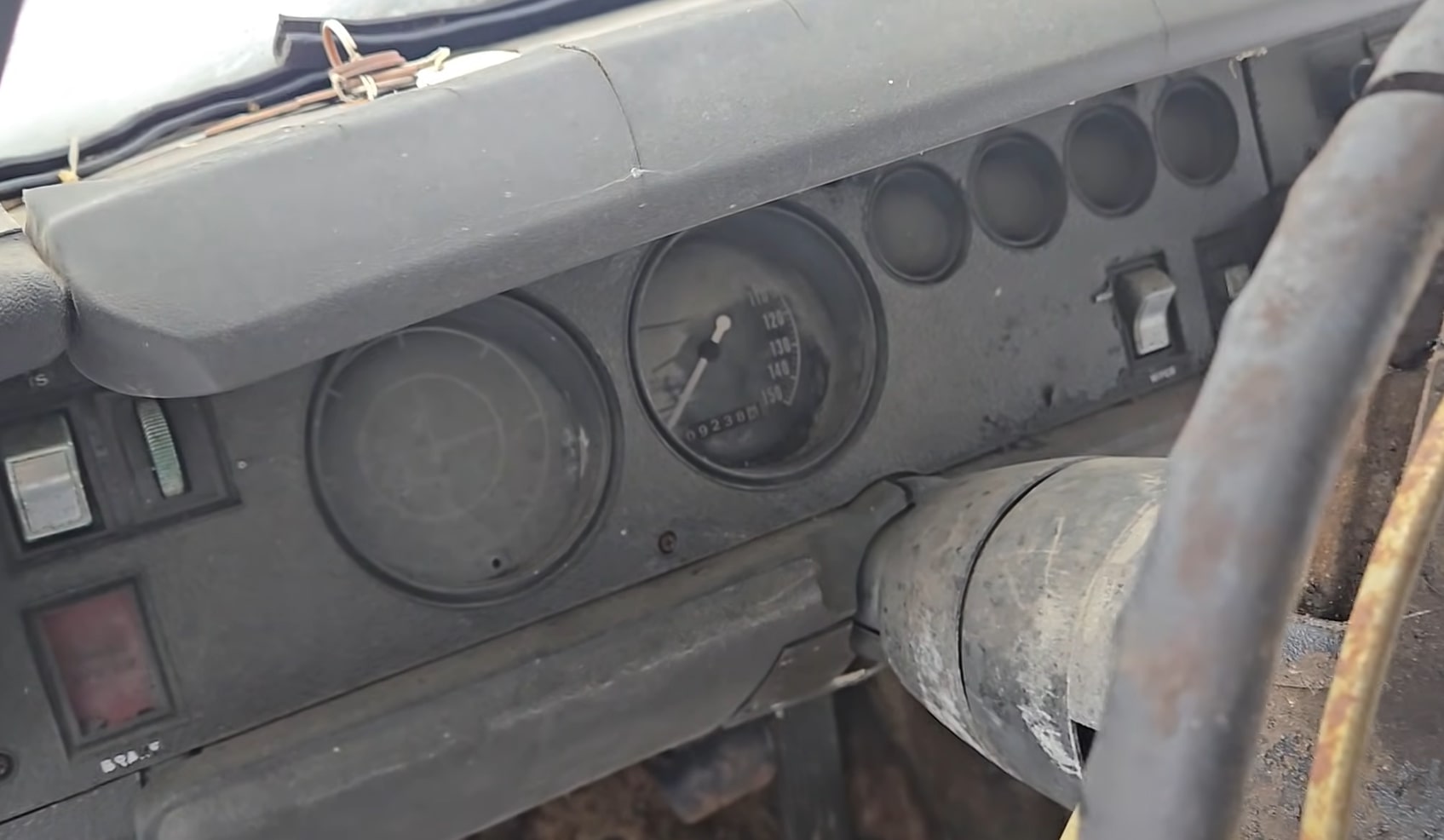

Frozen under a crust of snow and rust, a 1970 Plymouth Road Runner sitting in a junkyard is more than a dead project car. It is a time capsule from the peak of the muscle era, a reminder of how quickly power and style can slide from showroom glory to forgotten scrap. Seen up close, the battered shell hints at the life it once had, the crash that ended it, and the long odds that it will ever thunder down a street again.
Yet even in that bleak setting, the car taps into something stubborn in enthusiasts, the belief that no classic is ever truly gone as long as its VIN still exists and someone cares enough to chase it. Around finds like this, stories of wrecks, lost titles, and improbable reunions start to surface, and the line between junkyard relic and future resurrection suddenly feels a lot thinner.
The day the Road Runner’s luck ran out
Every junkyard car has a moment when its story takes a hard turn, and for this 1970 Plymouth Road Runner that moment came early. The car was reportedly WRECKED while it was still new after only 14,000 miles, a brutal end for a machine built to live hard but not die young. That kind of low mileage means the car barely made it past its first set of tires before metal met guardrail or another bumper, and the damage was bad enough that an insurance adjuster likely wrote it off instead of sending it back to the body shop.
Seen decades later, frozen in place, the Road Runner’s crumpled panels and twisted frame are not just scars, they are paperwork decisions made in some office long ago. Once a car is declared a total loss, it slides into a different category, one where resale value is measured in scrap weight and usable parts instead of curb appeal. The fact that this particular Plymouth Roadrunner ended up in a yard rather than a crusher suggests someone thought its bones or drivetrain might still be worth something, even if the body was too far gone to justify a full repair.
Why a junkyard Road Runner still matters
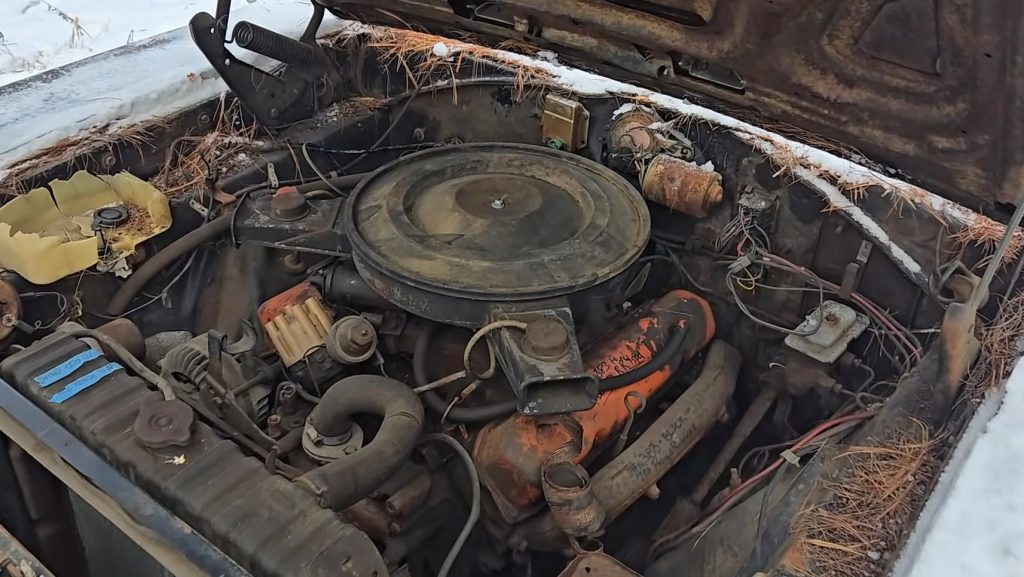
To a casual passerby, a snow covered hulk looks like nothing more than a pile of metal, but to muscle car fans, a 1970 Road Runner in any condition is a big deal. That model year sits squarely in the sweet spot of the horsepower wars, when Detroit was stuffing big blocks into mid size bodies and selling them to anyone with a steady job and a taste for speed. Even wrecked, the car represents a specific moment when performance was cheap, gas was plentiful, and the idea of a daily driver with a lumpy idle felt perfectly normal.
That is why enthusiasts still get worked up when they see a battered Mopar sitting in the weeds. The car is a physical link to a culture that has mostly vanished, replaced by crossovers and driver assist systems. A junkyard Road Runner reminds people that once upon a time, a young buyer could walk into a showroom, sign a few forms, and drive out in a machine that would run the quarter mile in a blur of tire smoke and unfiltered exhaust. Even if this particular example never moves again, it keeps that memory alive in a way no brochure or archive photo ever could.
From showroom star to frozen relic
The contrast between how the Road Runner started life and where it ended up is part of what makes the junkyard scene so jarring. When new, a 1970 Plymouth Road Runner was marketed as a brash, budget friendly performance car, complete with cartoon badging and a horn that mimicked the famous “beep beep.” It was meant to be loud, fast, and a little bit silly, the kind of car that turned every stoplight into a potential drag race and every gas station into a mini car show.
Fast forward a few decades and that same car is sitting nose down in frozen mud, its bright paint dulled to a patchwork of primer, rust, and peeling clearcoat. The interior that once smelled like vinyl and gasoline now reeks of mildew, and the engine bay that used to be the pride of some young owner is a nest of broken hoses and missing parts. The transformation from showroom star to frozen relic is not just about neglect, it is about how quickly the market moved on once fuel prices, safety rules, and changing tastes pushed cars like this out of favor and into the margins.
The emotional pull of a lost muscle car
For a lot of people, the sight of a junked Road Runner is not just about the car, it is about the memories attached to it. Muscle cars have a way of embedding themselves in family stories, from first dates to late night highway runs, and losing one can feel like losing a chapter of personal history. That is why some owners never quite let go, even decades after the keys are gone and the car has vanished into the system.
One owner described how his old ride was “always something I had in the back of my mind,” explaining that ever since he had to get rid of it he wanted to get it back. That kind of lingering attachment is common in the muscle car world, where a specific model year or color can trigger a flood of nostalgia. When someone stumbles across a frozen Road Runner in a junkyard, they are not just seeing a potential project, they are imagining the life it once had and the person who might still be out there wondering what became of it.
Car detectives and the hunt for forgotten VINs
That emotional pull has given rise to a new kind of specialist, the car detective who tracks down long lost machines for owners who never stopped looking. These sleuths dig through old paperwork, chase leads across states, and comb through online listings in search of a matching VIN or a familiar set of options. Their work turns what looks like a random junkyard hulk into a potential reunion story, especially when the car in question is a distinctive model like a 1970 Roadrunner.
In one case, a former owner admitted that he had “never in my wildest dreams” expected to see his old 1970 Roadrunner again, yet an internet investigation into a historic muscle car eventually led back to the very car he had sold to help pay for his schooling. That kind of outcome is rare, but it shows why enthusiasts keep an eye on junkyard finds and social media posts. A frozen Road Runner might be just another wreck to most people, but to the right detective with the right clue, it could be the missing piece in someone’s decades long search.
Junkyards as accidental museums
Walk through an older salvage yard and it starts to feel less like a parts store and more like an open air museum of automotive history. Rows of faded sheet metal tell the story of changing tastes and technologies, from tailfinned cruisers to boxy sedans and, occasionally, a battered muscle car like this Road Runner. The difference is that unlike a curated museum, nothing here is polished or protected, which makes the surviving details feel even more authentic.
Some yards have quietly become a “secret source” for classic iron, with some vehicles passing through multiple generations as a precious family heirloom before they ever hit a public auction or a glossy showroom. In that context, a frozen Road Runner is not just a parts donor, it is a potential starting point for a serious restoration or a carefully preserved survivor. The fact that it has sat untouched for so long can actually be a selling point, proof that nobody has hacked it up or tried to turn it into something it was never meant to be.
Restoration dreams versus harsh reality
Of course, standing in front of a junkyard Road Runner and imagining it back on the road is a lot easier than actually making it happen. Restoring a car that was WRECKED early in its life and then left to rot is a brutal test of patience, skill, and budget. Rust repair alone can swallow thousands of dollars, and that is before anyone touches the drivetrain, interior, or electrical system. For many would be saviors, the math simply does not work, no matter how strong the emotional pull might be.
That is why so many of these cars end up as donors, sacrificing their remaining good parts to keep other, more solid examples alive. A straight fender here, a rare trim piece there, maybe a rebuildable engine block, all of it can help another Road Runner stay on the road. It is a kind of mechanical organ donation, a way for a frozen relic to live on indirectly even if its own title never leaves the salvage yard office. The dream of a full resurrection never completely dies, but reality has a way of turning most of those dreams into carefully harvested parts piles.
How social media keeps junkyard legends alive
One reason a single wrecked Road Runner can capture so much attention today is the way social media amplifies these finds. A quick walk through a yard with a smartphone can turn into a viral post, with enthusiasts around the world weighing in on whether the car is savable or too far gone. In the case of this 1970 Plymouth Roadrunner, the reaction started with a simple exclamation, “JEEZ,” attached to the revelation that it had been wrecked at only 14,000 miles, and the image spread from there.
Those posts do more than rack up likes, they create a digital paper trail that might help a future owner or car detective connect the dots. A former owner scrolling through their feed might suddenly recognize a color combination, a dent, or a sticker in the back window. Even if nothing comes of it, the car’s story is no longer confined to a quiet corner of a frozen yard. It becomes part of a larger conversation about what is worth saving, what is already lost, and how far people are willing to go to bring a piece of their past back into the present.
Why the frozen Road Runner still resonates
In the end, the image of a 1970 Plymouth Road Runner sitting frozen in a junkyard sticks with people because it captures a whole mix of feelings at once. There is sadness at the waste, curiosity about the crash that ended its short life, and a stubborn hope that someone might still drag it out and give it another shot. The car is both a cautionary tale about how quickly a dream machine can become scrap and a reminder that even in rough shape, some machines never stop mattering.
For enthusiasts, that tension is part of the appeal. They know that not every project can be saved, that some stories end in rust and snow instead of fresh paint and open roads. Yet as long as cars like this Road Runner are still out there, tucked behind rows of minivans and compact sedans, the possibility of one more unlikely comeback remains on the table. The junkyard may be cold and quiet, but the legend under that frozen sheet metal is still very much alive.
More from Wilder Media Group: