
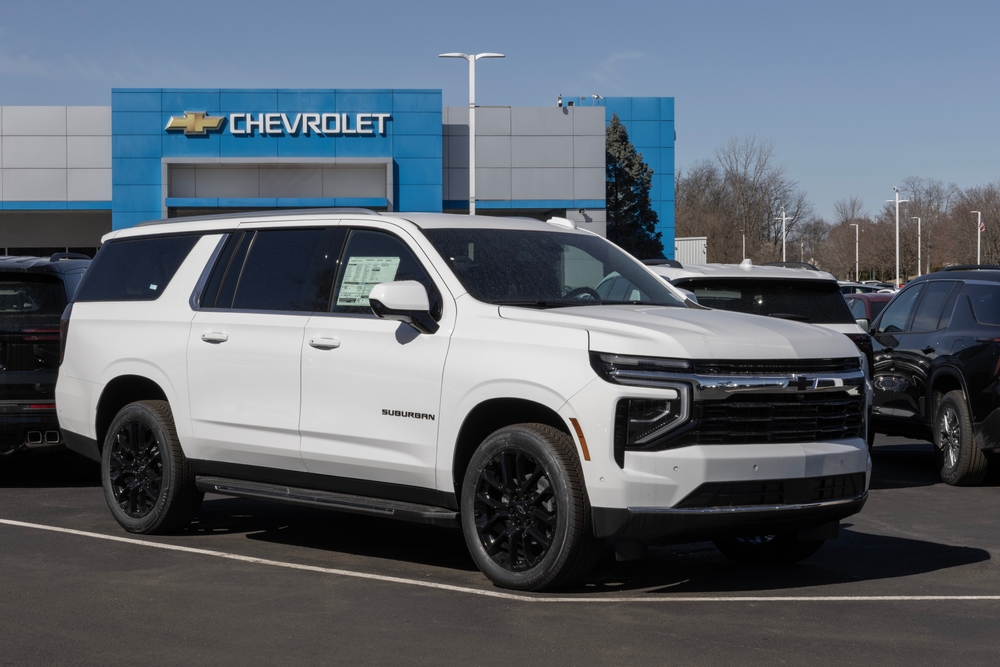

A viral video is raising alarm over a Chevy dealer scam where used vehicles were allegedly sold as new, leaving buyers questioning how something like this could go unnoticed.
The clip, posted on TikTok by @l78awb5m on February 26, claims a network of Chevrolet dealerships may have presented previously used vehicles as brand-new inventory. While the video itself offers limited documentation, it has sparked widespread concern about how vehicle condition and history are disclosed during a sale. For everyday drivers, this matters because buying a “new” car comes with clear expectations, zero prior use, full warranty protection, and maximum value, and any mismatch can result in serious financial consequences.
What the Chevy Dealer Scam Video Shows
@l78awb5m 🚨 Major Chevy Scam Exposed! How They Sold Used Cars as New 🚗💔 #ChevyScandal #AutoNews #CarScam #fraudalert #fyp #forsale #carnews #fouyou #news #usa #cartok #carsoftiktokcontest
The video centers on a serious allegation: that certain vehicles were marketed and sold as new despite having prior use. While the clip does not provide full documentation or dealership responses, the claim alone has been enough to trigger strong reactions online. At the heart of the issue is disclosure. When a vehicle is labeled as new, buyers assume it has not been previously driven beyond minimal transport or testing mileage. If that assumption is incorrect, it changes the entire value of the purchase.
Viewers in the comments expressed frustration and disbelief, with many questioning how such a situation could occur without buyers noticing earlier. Others pointed out that most consumers rely heavily on dealership representations, especially when purchasing a new vehicle.

Why Selling Used Cars as New Is a Serious Issue
Selling a used vehicle as new is not a minor oversight—it directly impacts pricing, trust, and long-term ownership expectations. A new car typically commands a higher price because it has no prior wear, no previous ownership, and includes full manufacturer warranty coverage. If a vehicle has been used—whether as a demo, loaner, or previously titled unit—its value changes immediately. Buyers in that situation could unknowingly overpay or encounter issues tied to prior use, such as wear and tear or reduced warranty coverage.
This concern mirrors situations highlighted in Steel Horse Rides coverage on dealership transparency issues, where unclear or incomplete vehicle history disclosures led to disputes after purchase. In those cases, buyers often discovered the truth only after problems surfaced.
The Bigger Problem With Dealership Transparency
Beyond this single video, the larger issue is how much buyers depend on dealership honesty during the purchasing process. Most consumers assume that if a car is labeled as new, it meets all the criteria associated with that label. However, not all buyers take the extra step of verifying vehicle history independently. That gap creates an opportunity for misunderstandings—or in worst cases, misrepresentation.
According to the Federal Trade Commission, dealerships are required to accurately represent the condition and history of the vehicles they sell. This includes avoiding deceptive practices and ensuring buyers have access to clear, truthful information.
Still, even when rules are in place, enforcement can lag behind real-world practices, and buyers may not always recognize when something is off until after the sale is complete.
What Buyers Should Check Before Purchasing
Situations like this highlight the importance of verifying every detail, even when purchasing a vehicle advertised as new. Taking a few extra steps before signing can prevent major financial and legal headaches later.
Key things buyers should always check include:
- Vehicle history reports to confirm prior ownership or use
- Odometer reading at the time of sale to ensure it aligns with a new vehicle
- Warranty start date and coverage details
- Any disclosure documents related to demo or fleet use
- Physical inspection for signs of prior wear
These steps may seem excessive for a “new” car purchase, but they can reveal important details that are not always obvious.
As noted in Steel Horse Rides coverage on car buying mistakes, skipping these checks is one of the most common reasons buyers end up facing unexpected issues after a purchase.
Why This Story Is Gaining Attention
This video is gaining traction because it challenges one of the most basic assumptions in car buying—that a new car is exactly what it claims to be. For many viewers, the idea that a vehicle could be misrepresented at this level is both surprising and concerning. It raises broader questions about how much trust consumers should place in dealership claims without independent verification.
Social media has amplified the conversation, with users sharing similar experiences or concerns about unclear vehicle histories. While not all claims are verified, the volume of discussion reflects a growing awareness among buyers.
What This Means for Everyday Drivers
For everyday drivers, the takeaway is not just about this specific allegation—it is about the overall buying process. Relying solely on labels, marketing, or verbal confirmation is no longer enough. Modern car buying requires a more informed and cautious approach.
Buyers need to verify details, ask direct questions, and ensure that everything promised is documented clearly before committing. Understanding how vehicles are classified and sold can make a significant difference in avoiding costly mistakes.
What Drivers Should Take From This
Allegations like this serve as a reminder that even straightforward purchases deserve careful attention. Before signing any paperwork, confirm the vehicle’s condition, history, and warranty status in writing. If anything feels unclear or inconsistent, it is better to pause and investigate further than to move forward with uncertainty.
More from Steel Horse Rides: