
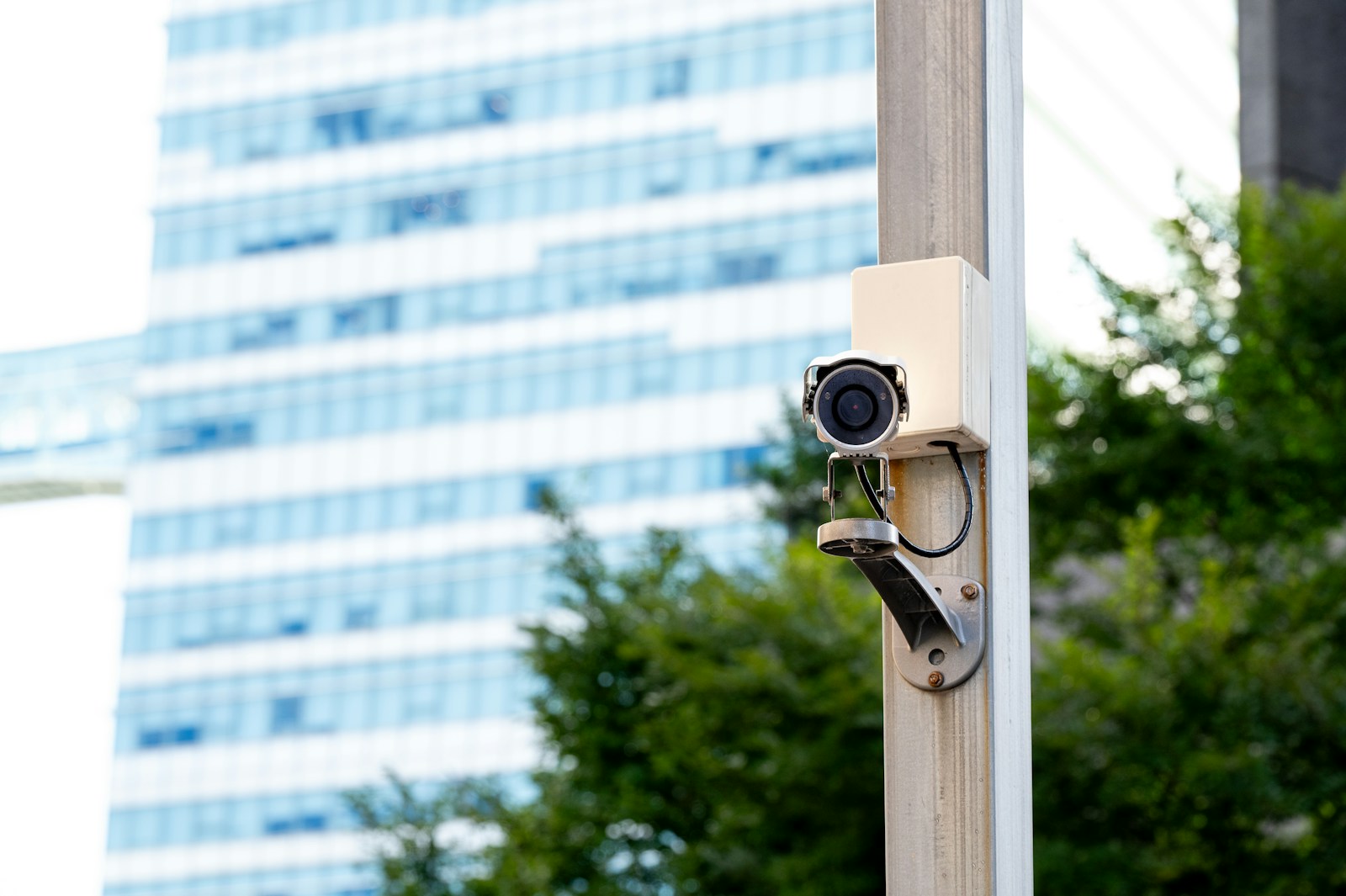

City leaders promised that new cameras would make streets safer, but the data that followed told a different story. Instead of clear drops in crime or crashes, the record shows short-lived pilots, thin evaluations, and a quiet return to surveillance even after officials admitted the numbers did not justify the hype. The gap between what residents were told and what the evidence shows is now at the center of a broader fight over what “smart city” safety really means.
The sales pitch: cameras as a cure-all
When the camera network was first proposed, officials framed it as a straightforward trade: accept more monitoring in exchange for fewer break-ins, assaults, and traffic deaths. The promise was that automated eyes on intersections and business corridors would deter would-be offenders and help police respond faster when something did happen. Residents were told that the technology would be narrowly focused on public safety, not on building dossiers about where they drove, shopped, or gathered.
That framing helped city leaders secure funding and tamp down early skepticism, but it also set a clear benchmark that could be tested against real-world outcomes. If cameras were truly a safety tool, then crime and crash statistics around the new hardware should have shifted in measurable ways. Instead, the city ended its initial camera program after a short run, citing budget pressures and a lack of compelling results, before quietly beginning to install cameras again in 2024 as part of a broader wave of smart city tools.
What the numbers actually show
Once the cameras were in place, the city’s own statistics undercut the sweeping claims that had justified the rollout. Police reports showed no sustained, citywide drop in the categories that had been most heavily advertised, such as vehicle theft, burglary, and aggravated assault, in the areas covered by the new devices. Where there were short-term dips, they tended to mirror broader trends across neighborhoods without cameras, suggesting that other factors, from targeted patrols to seasonal patterns, were doing the real work.
Traffic data told a similar story. Officials had highlighted dangerous intersections as prime candidates for camera coverage, arguing that constant monitoring would reduce red-light running and serious crashes. Yet collision reports around those intersections did not show a statistically significant decline compared with comparable corridors that relied on traditional enforcement. In some locations, non-injury fender benders actually ticked up, a sign that drivers were braking abruptly when they noticed the hardware rather than changing their long-term behavior.
Short-lived pilots and quiet retreats
The city’s decision to end its first camera program after only a few years is itself a revealing data point. If the devices had produced clear, quantifiable safety gains, it would have been politically difficult to shut them off, even in a tight budget cycle. Instead, officials folded the program with little public debate, acknowledging that the costs were hard to justify when weighed against the modest and inconsistent changes in crime and crash numbers around the monitored zones.
That retreat did not last. As vendors refined their pitches and bundled cameras with other “smart” infrastructure, the city returned to the technology in 2024, this time as part of a broader package that included sensors, analytics dashboards, and automated alerts. The new rollout leaned heavily on the language of innovation and modernization, but it did not come with a transparent plan for measuring whether the second generation of cameras would deliver the safety benefits that the first round had failed to demonstrate.
From safety tool to tracking system
Even as the safety case faltered, the cameras proved highly effective at something else: tracking people and vehicles in granular detail. The same hardware that was sold as a way to spot stolen cars or reckless drivers also captured license plates, travel patterns, and the make and model of every vehicle that passed within view. Over time, that information built a detailed map of residents’ daily routines, from commute routes to late-night trips across town.
For police and other agencies, the ability to search that archive became a powerful investigative shortcut, allowing them to reconstruct a suspect’s movements or identify everyone who had driven past a particular location at a given hour. For residents, especially those who had been assured that the cameras were narrowly focused on immediate safety threats, the realization that their movements were being logged and stored raised new questions about consent, oversight, and the risk that data collected for one purpose would be repurposed for another without their knowledge.
Who benefits when safety gains are thin
The uneven safety record did not mean the cameras had no winners. Vendors secured multi-year contracts, often with maintenance and software fees that continued long after the initial installation. City departments gained new streams of data that could be mined for everything from traffic planning to code enforcement, even when the original justification had centered on violent crime. The incentives to keep the system running, in other words, did not depend on clear evidence that residents were actually safer.
That misalignment showed up in the way performance was reported. Instead of publishing straightforward before-and-after comparisons of crime and crash rates in camera zones, officials highlighted anecdotal success stories, such as a single case in which footage helped identify a suspect or a stolen vehicle. Those examples were real, but they did not answer the larger question of whether the network as a whole was reducing harm or simply providing a new investigative convenience at the cost of constant monitoring.
Disparities in where cameras go
The placement of cameras also revealed patterns that numbers alone could not explain. Maps of the network showed a dense concentration of devices in lower income neighborhoods and areas with higher proportions of Black and Latino residents, while wealthier districts and commercial corridors with strong political clout saw far fewer installations. That imbalance meant that the burdens of round-the-clock observation fell disproportionately on communities that already experienced heavier policing and higher rates of stops and searches.
When residents in those neighborhoods asked for evidence that the cameras were making them safer, they were often told that the data was still being evaluated or that it was too early to draw firm conclusions. Years into the program, however, the absence of clear, publicly shared metrics made it difficult to separate genuine safety gains from the perception of control created by visible hardware. The result was a system in which the most watched communities were also the least likely to see transparent proof that the trade-off was worth it.
Accountability gaps and shifting goals
The city’s handling of performance reviews exposed a broader accountability problem. Early presentations to the council had promised regular audits of crime and crash data around camera sites, along with public dashboards that would allow residents to track whether the technology was delivering on its promises. In practice, those audits were sporadic, and the dashboards never materialized in the form that had been described, leaving residents to piece together the impact from scattered reports and budget documents.
As the numbers failed to show dramatic improvements, the official narrative around the cameras began to shift. Instead of emphasizing deterrence and prevention, officials talked more about “situational awareness” and “operational efficiency,” vague terms that are harder to measure and easier to claim. That rhetorical pivot allowed the program to continue even as the original safety benchmarks faded into the background, effectively moving the goalposts after the fact.
Residents push back with their own metrics
In the absence of clear official evaluations, community groups and civil liberties advocates started compiling their own data. They compared crime trends in camera-covered blocks with similar areas that had no devices, tracked how often footage was cited in court cases, and surveyed residents about whether they felt safer walking or driving through monitored intersections. Their findings echoed what the city’s limited reports had already suggested: the cameras were far more visible than they were effective at reducing harm.
Those independent efforts also highlighted the opportunity cost of pouring money into surveillance hardware instead of proven safety strategies. Advocates pointed to programs like street lighting upgrades, youth outreach, and targeted traffic calming that had stronger evidence of reducing violence and crashes per dollar spent. By setting those alternatives alongside the camera network’s modest numbers, they reframed the debate from a binary choice between safety and privacy to a more practical question about which tools actually deliver results.
What real safety would look like
The story of this city’s cameras is not just about one technology, it is about how public safety gets defined and measured. When leaders equate safety with surveillance, they invite residents to accept constant observation in exchange for promises that may never be tested against hard data. The experience here shows that it is possible to spend heavily on high-tech monitoring, collect vast amounts of information about people’s movements, and still have little to show in terms of fewer assaults, robberies, or fatal crashes.
A more honest approach would start by setting clear, public benchmarks before any new system goes live, then committing to independent evaluations that compare those goals with actual outcomes. It would also require acknowledging when the numbers do not support the hype and being willing to redirect resources toward strategies that do. Until that happens, cities that insist cameras are “for safety” will have to reckon with a growing body of evidence, and a growing number of residents, who can see that the math does not add up.
More from Wilder Media Group: